How To Prevent Cavities In Kids And Adults
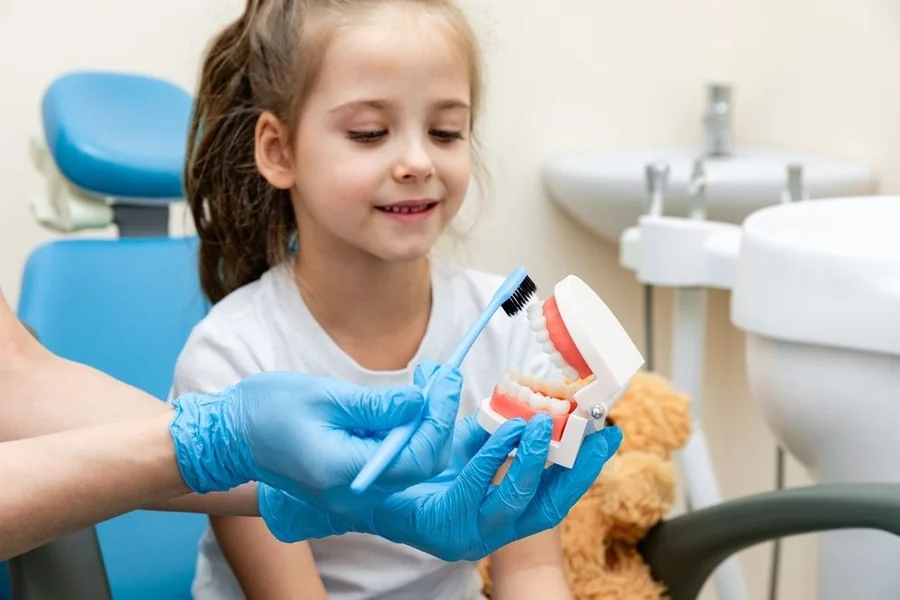
Tooth decay can feel scary. You want to protect your mouth and your child’s mouth from pain, infection, and costly visits. The good news is that you can stop most cavities before they start. This guide explains simple daily steps for both kids and adults so you know what to do, when to do it, and why it works. You will learn how to brush and floss with purpose, how to use fluoride, and how food and drink choices affect your teeth. You will also see when to call a dentist and what to ask during a visit. Each tip is clear and direct so you can act right away. You do not need special tools or complex routines. You only need steady habits and honest information from trusted sources such as your dental team and suncreekdental.com.
Know how cavities start
Cavities start when germs in your mouth feed on sugar. Then they make acid. That acid eats away the hard outer layer of your teeth. Over time small weak spots grow into holes. Those holes can hurt and can infect the tooth.
You can stop this process if you cut down sugar, clean your teeth, and use fluoride. You can also catch early damage with regular checkups. That mix gives you the strongest shield.
Set strong brushing habits
Brushing is your first defense. It clears food and germs before they cause harm.
- Brush two times each day for two minutes.
- Use a soft brush and fluoride toothpaste.
- Spit out the foam. Do not rinse with water after brushing.
For kids, you guide the brush until they can write their name with control. That skill often comes around age 7 to 8. Even then you check their teeth each night.
Fluoride use for kids and adults
Fluoride makes tooth enamel harder. It also helps repair early damage. Simple use at home lowers the risk of cavities for every age group.
- From first tooth to age 3. Use a tiny smear of fluoride toothpaste, the size of a grain of rice.
- From age 3 and up. Use a pea size amount.
- Adults. Use fluoride toothpaste every morning and night.
Fluoride in tap water also protects teeth. Many communities adjust fluoride in public water for this reason. You can check your local water report or ask your dentist.
You can read more about fluoride and safety from the Centers for Disease Control and Prevention at https://www.cdc.gov/fluoridation/index.html.
Clean between teeth
Brushing does not reach between tight teeth. Food gets trapped. Then germs grow in those hidden spaces.
- Floss once each day.
- Help children floss once teeth start to touch.
- Use floss picks, string floss, or tiny brushes that fit between teeth.
At first kids may resist. You stay calm. You keep the routine short and steady. You praise effort, not perfection.
Protect teeth with smart food and drinks
What you and your child eat matters as much as brushing. Sugar lets germs attack teeth. Sticky food and slow sipping stretch out that attack.
Snack and drink choices that affect cavity risk
| Choice | Kid risk level | Adult risk level | Better option |
|---|---|---|---|
| Soda or sports drinks | High | High | Water or plain milk |
| Fruit juice in a sippy cup | High | Medium | Whole fruit with water |
| Chewy candy or fruit snacks | High | High | Cheese or nuts if safe |
| Crackers or chips all day | Medium | Medium | Set snack times only |
| Plain yogurt without sugar | Low | Low | Keep as a regular snack |
Try these three simple rules.
- Limit sugary drinks. Keep soda, sports drinks, and juice for rare treats.
- Offer water between meals.
- Keep snacks to set times instead of grazing all day.
Use sealants and regular dental visits
Dental sealants are thin coatings placed on chewing surfaces of back teeth. They block germs from deep grooves where a brush cannot reach. Sealants help children most, yet adults can benefit too.
- Ask for sealants when your child’s first and second permanent molars come in.
- Check sealants at each visit and repair them when needed.
Routine visits catch early decay. Cleanings also remove hardened buildup that holds germs. The American Dental Association shares guidance on checkup timing at https://www.mouthhealthy.org/all-topics-a-z/dental-visits.
Special tips for babies and toddlers
Even very young children can get severe tooth decay. You can cut that risk with a few clear steps.
- Wipe gums with a clean cloth after feedings before the first tooth appears.
- Once the first tooth erupts, brush two times each day with a tiny smear of fluoride toothpaste.
- Do not put a baby to bed with a bottle of milk, formula, or juice.
- Offer only water in a sippy cup between meals.
Your child should see a dentist by age 1 or within six months of the first tooth. That early visit focuses on guidance for you and a quick look at your child’s mouth.
Special tips for adults
Adult mouths change over time. Gums may pull back. Roots may show. Some medicines cause dry mouth. These changes increase cavity risk.
- Tell your dentist about all medicines and health conditions.
- Use fluoride toothpaste and ask about fluoride mouth rinse.
- Drink water often, especially if your mouth feels dry.
If you smoke, your risk of gum disease and tooth loss rises. Each attempt to quit matters. Your dental team can refer you to quit support programs.
Know when to ask for help
Call a dentist if you or your child has pain, white or brown spots on teeth, or bleeding gums. Early care is easier and less costly than waiting.
You guide your family’s habits. With steady brushing, smart food choices, fluoride, and regular visits, you can prevent most cavities. You protect not only teeth but also comfort, sleep, and confidence for you and your child.



Post Comment
You must be logged in to post a comment.