ACL Injuries: Comprehensive Care at a Sports Injury Clinic
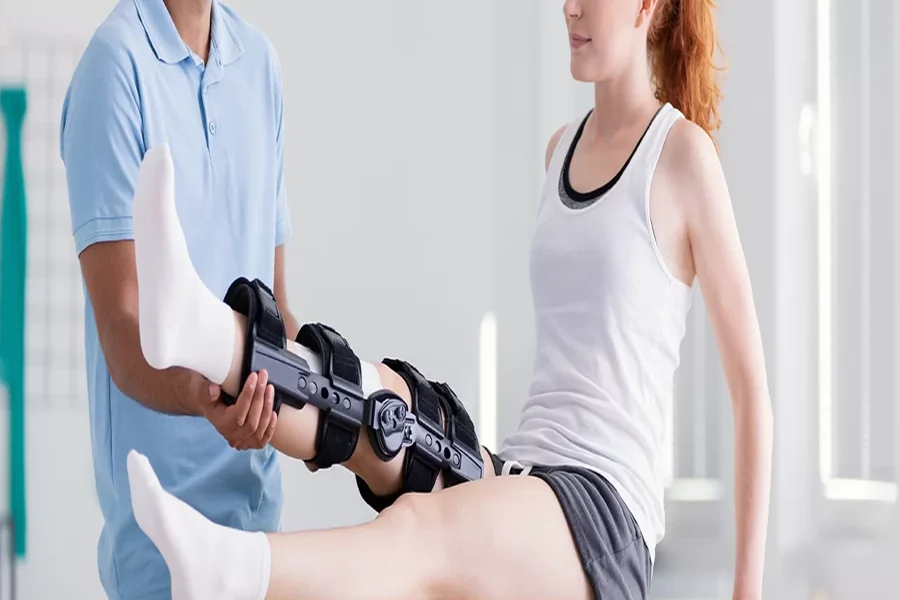
The anterior cruciate ligament (ACL) is one of the key ligaments that stabilizes the knee joint, allowing smooth movement and preventing the tibia from sliding forward. An ACL injury, which can range from a partial sprain to a complete tear, often occurs during sudden stops, pivots, or awkward landings. These injuries are particularly common among athletes involved in high-intensity sports such as soccer, basketball, skiing, and football. Active individuals who engage in recreational sports or regular fitness routines are also at risk, especially when proper warm-up or strengthening exercises are neglected.
Recovering from an ACL injury requires more than just rest. Without appropriate intervention, patients may experience ongoing instability, chronic pain, and an increased risk of further knee damage. This is where a sports injury clinic plays a vital role. These specialized clinics provide comprehensive care tailored to each patient, from accurate diagnosis and personalized treatment plans to structured rehabilitation programs. By addressing the injury systematically, an orthopaedic specialist not only helps patients regain mobility and strength but also significantly reduces the likelihood of re-injury, enabling athletes and active individuals to safely return to their sports and daily activities. Read on to learn more about ACL injuries, or visit this page https://www.coveorthopaedics.com.sg/conditions-we-treat/sports-injury/ for a detailed explanation.
Understanding ACL Injuries
ACL (anterior cruciate ligament) is one of the key stabilizing ligaments in the knee, connecting the thigh bone (femur) to the shin bone (tibia). It plays a crucial role in maintaining knee stability during pivoting, jumping, and sudden changes in direction. ACL injuries typically occur when the knee experiences a sudden twist, overextension, or impact, which is why they are common among athletes in sports such as basketball, soccer, football, and skiing.
Symptoms of an ACL injury may include a sudden “popping” sound at the time of injury, severe pain, swelling within a few hours, difficulty bearing weight, and a feeling of instability in the knee. Left untreated, ACL injuries can lead to chronic instability, increased risk of meniscus tears, and long-term knee damage. Early recognition and diagnosis at a sports injury clinic are vital for effective recovery.
Diagnosis at a Sports Injury Clinic
Accurate diagnosis is the first step toward effective ACL injury treatment. At a sports injury clinic, clinicians begin with a detailed medical history, discussing how the injury occurred and the symptoms experienced. This is followed by a thorough physical examination, which may include specific tests, such as the Lachman test, anterior drawer test, and pivot shift test to assess ligament stability and detect potential damage.
In addition, imaging tests are often an essential part of diagnosis. While X-rays help rule out fractures, MRI scans provide a detailed view of the ACL and surrounding structures, such as the meniscus and cartilage. This allows specialists to determine whether the tear is partial or complete and to identify any additional injuries that may affect treatment decisions.
Treatment Options
Treatment for ACL injuries depends on the severity of the tear, the patient’s activity level, and long-term goals. A sports injury clinic typically offers a combination of conservative and surgical options, each supported by structured rehabilitation:
-
Conservative Management
- Suitable for partial tears or less active individuals.
- Includes rest, ice, compression, and elevation (RICE) to reduce pain and swelling.
- Bracing may stabilize the knee during daily activities.
- Physiotherapy focuses on strengthening surrounding muscles, improving balance, and restoring range of motion.
-
Surgical Intervention (ACL Reconstruction)
- Recommended for complete tears, especially in athletes or active patients.
- Involves replacing the torn ligament with a graft from the patient’s own tissue or a donor.
- Performed arthroscopically, minimizing tissue damage and recovery time.
- Post-surgery rehabilitation is crucial, emphasizing progressive exercises to regain strength, stability, and flexibility.
-
Rehabilitation Programs
- Tailored to individual needs, whether post-surgery or conservative treatment.
- Includes gradual return-to-sport exercises, neuromuscular training, and activity modification.
- Regular monitoring by clinicians ensures safe progression and reduces risk of re-injury.
By combining these approaches, a sports injury clinic ensures patients achieve the best possible outcome, allowing them to return to their sport or daily activities safely.
Preventing Future ACL Injuries
Preventing re-injury is as important as recovery itself. At the clinic, patients are guided on strategies to protect the knee and reduce the risk of future ACL tears. Key preventive measures include:
- Strength Training: Focused exercises for the quadriceps, hamstrings, glutes, and core help stabilize the knee and absorb impact during movement.
- Neuromuscular Training: Drills that improve balance, coordination, and reaction time can prevent awkward landings and sudden twists.
- Proper Technique: Learning safe jumping, pivoting, and landing mechanics is essential, especially for athletes in high-risk sports.
- Gradual Return to Sport: Following a step-by-step rehabilitation plan ensures the knee is fully prepared for sport-specific demands.
- Ongoing Maintenance: Regular stretching, strengthening, and conditioning programs maintain knee health even after full recovery.
By adhering to these strategies under professional guidance, patients can enjoy a safer return to activity, minimize the risk of re-injury, and maintain long-term knee stability.
Conclusion
ACL injuries can significantly impact an athlete’s performance and daily activities, but with timely and comprehensive care, full recovery is achievable. A sports injury clinic provides accurate diagnosis, personalized treatment plans, and structured rehabilitation programs designed to restore strength, stability, and confidence in the knee.
Early intervention, guided physiotherapy, and preventive strategies reduce the risk of re-injury and support a safe return to sport. If you suspect an ACL injury or want to learn more about treatment options, book a consultation with our orthopaedic specialist. Details below:
Cove Orthopaedic Clinic (Mount Elizabeth Orchard) | Sports Orthopaedic Surgeon Singapore
3 Mount Elizabeth, #14-13 Medical Centre, Singapore 228510 | +65 9631 7637



Post Comment
You must be logged in to post a comment.