Endoscopy Clinic Singapore: What to Bring to Your Appointment

You may need to visit an endoscopy clinic in Singapore and not a general clinic if you need specialised assessment and/or treatment for your digestive tract with minimally invasive techniques like gastroscopy, colonoscopy or Endoscopic Retrograde Cholangiopancreatography (ERCP). Read more about ERCP here: https://www.leesurgery.com.sg/service/endoscopic-retrograde-cholangiopancreatography-ercp/.
The specialization at endoscopy clinics allows the providers to diagnose or even treat issues like ulcers, polyps or bleeding directly, rather than assess symptoms. An endoscopy appointment should feel straightforward.
If you bring the right items, the visit moves faster and staff can focus on the test, not paperwork. We created this guide to give you a clear checklist and practical tips so you arrive calm and ready for your assessment. Let’s begin.
What should I Bring to an Endoscopy Appointment?
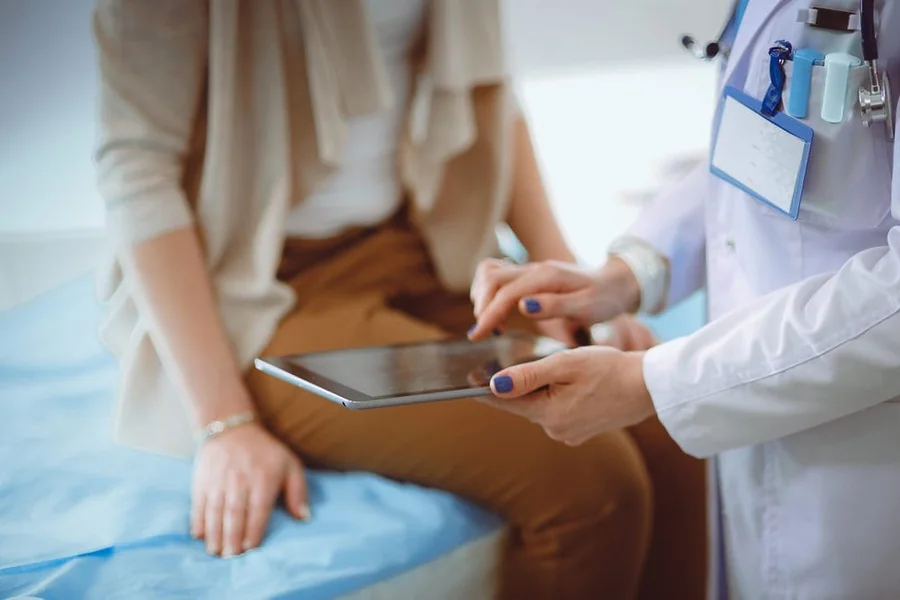
When visiting an accredited endoscopy clinic in Singapore, you will check in at reception, hand over documents, and get shown to a waiting area. At the waiting area, a nurse will confirm your details, review your medicines, and explain the consent form you need to sign.
The team then prepares you for the procedure, which may include light sedation, monitoring, and a short recovery period afterwards. Most appointments run from arrival to discharge in a few hours, so bring what you need for that time, but keep things simple. Here are the essential documents to bring to an endoscopy appointment;
- Photo ID (NRIC/FIN or passport): You will need official identification at registration. This is important because clinics must confirm identity for safety and to access your health records. Bringing ID prevents delays and avoids extra checks that slow the process. If you are a foreign patient, carry your passport and any local immigration ID.
- Referral letter from your GP or specialist: A referral gives the clinic clinical context and the reason for the test. It helps staff prioritise urgent issues and may be necessary for insurance or subsidy claims. So, bringing the original or a clear scanned copy speeds registration and reduces follow-up calls. If you do not have it, tell the clinic before your appointment so they can advise.
- Appointment confirmation (SMS or email): The confirmation displays the date, time, and any special instructions provided by the clinic. Showing it at the reception avoids confusion about the slot or the exact start time. It also helps the team check whether any pre-procedure forms arrived by post or online. Save the message where you can find it quickly.
- A current medicines list, including doses and timing: Bring a handwritten or printed list of all prescription drugs, over-the-counter medicines, and herbal supplements you take. This is key because some medicines affect bleeding or sedation, and the team must know when you last took them. If you carry blister packs or the pills themselves, that is useful for accuracy. Tell staff about inhalers, insulin, blood thinner,s and any eye drops.
- Allergy information and major medical history: Note any drug allergies, past reactions to anaesthesia and chronic conditions like heart or lung disease. This information affects anaesthetic choices and monitoring during the test. Write it down so you don’t rely on memory under stress. If you have had surgeries, implants or clotting disorders, be sure to include those details.
- Insurance card or policy details and payment method: Bring the card, the policy number and the insurer’s contact if you plan to claim. Some clinics need prior authorisation or a referral to process claims. Have a debit/credit card ready if you must pay a deposit or top-up fees at check-in. Confirm with your insurer beforehand whether the clinic and the procedure are covered.
- Relevant prior test reports or imaging: If you had scans, blood tests or prior endoscopy reports, bring copies or a USB with the files. These materials enable the endoscopist to compare findings and plan targeted biopsies or treatments. Providing them at check-in avoids delays from staff chasing records later. If you cannot bring the originals, ask your GP to forward the documents to us before the appointment.
Can I go Alone for an Endoscopy?
Because of what is involved during endoscopy, one of the questions that might come to mind when preparing for your visit to a clinic is: Can I go alone for an endoscopy? Here’s what you need to know;
If you expect sedation, please arrange for transport back home and a companion. If staff plan to sedate you, you will need a responsible adult to escort you home and stay with you for several hours.
This is important because sedation affects judgment and coordination, so you cannot drive or use heavy machinery for the rest of the day. Bring the escort’s contact details on a slip of paper and tell them the clinic’s estimated finish time.
If no one can accompany you, call your endoscopy clinic in Singapore in advance and let them know. Some centres offer day-case transport advice or may reschedule.
Some patients who visit our endoscopy clinic in Singapore also frequently ask about considerations for special groups like children, older adults, people with diabetes or mobility needs. Now, children need a guardian who brings the child’s health record, immunisation card and a familiar comfort item.
So basically, it isn’t practical for a child to visit an endoscopy clinic on their own. Clinics require parental ID and signed consent from a legal guardian.
Older adults do best with a caregiver who knows their medications and recent medical history, and who brings any walking aids and a short list of current health issues. If you have diabetes, carry your glucometer, test strips, and fast-acting carbs for low blood sugar after the test.
You will want to check with the clinic about insulin and oral medicines before the appointment. For mobility or hearing issues, bring devices that assist you with movement and communication, and inform reception so that staff can offer an accessible chair or extra time.
Closing Thoughts
Plan to arrive at the colonoscopy clinic when fully prepared to help the clinic focus on safe, accurate testing rather than small logistics. Other than the essentials to carry, wear comfortable clothes, keep essentials in an easy-to-reach bag, and follow any special prep instructions for colonoscopy.
If you need further clarification to confirm the exact items to bring and any prep steps for your test, please get in touch with the specialist at our endoscopy clinic in Singapore. We will be happy to prepare a very smooth visit for you. Call or visit us at;
Post Comment
You must be logged in to post a comment.