Future-Proofing SaaS Growth with Agile SEO Tactics
Key Takeaways
- Agile SEO strategies drive sustainable SaaS growth by adapting quickly to industry changes.
- Integrating automation, user-focused content, and technical SEO enhances a SaaS provider’s online visibility.
- Emphasizing data-driven decision-making leads to smarter investments and better results.
- Harness real-world examples from leading brands to spark innovation in your SEO roadmap.
The Rise of Agile SEO Tactics for SaaS
The Software-as-a-Service sector is one of the fastest-evolving spaces in the digital ecosystem. Companies that fail to adapt quickly can find themselves lagging behind competitors in both visibility and customer acquisition. Agile SEO methodologies have become essential for SaaS teams wanting to stay ahead of the curve. Rather than static, long-term roadmaps, agile SEO encourages rapid experimentation and regular reassessment. This approach allows teams to pivot as algorithms shift, new competitors arise, or search trends evolve.
Adopting a SaaS SEO agency with an agile mindset means leveraging both cutting-edge tools and the expertise of specialists who know how to respond to a shifting digital landscape. With the right partner or in-house approach, SaaS businesses gain a powerful feedback loop between execution and results, ensuring their SEO investments drive measurable, sustainable growth.
Balancing Automation and Human Ingenuity
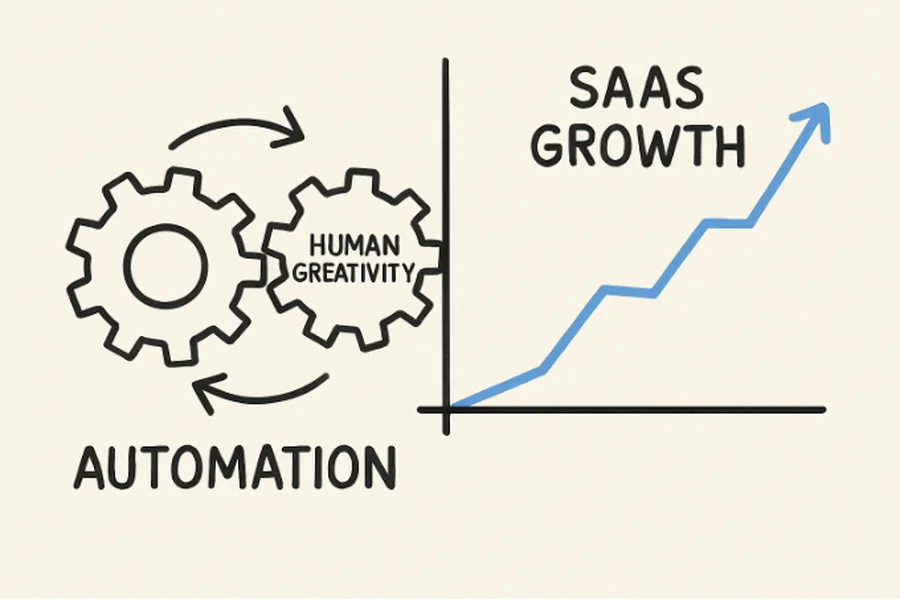
Automation has reshaped nearly every corner of SEO, and for good reason. Insights gleaned from automated keyword research, technical website audits, and link profile analyses allow teams to scale their efforts rapidly. Yet, true competitive advantage emerges when these smart tools are guided by human creativity. Automation manages the heavy lifting, but content that resonates, conversational keyword targeting, and audience empathy all require a distinctly human touch.
SaaS companies benefit most when they strike the right balance, letting automation handle tasks like data aggregation and routine reporting, but reserving creative strategy, editorial oversight, and campaign innovation for human specialists. Prioritizing this hybrid model ensures that your SEO is informed by both efficiency and originality—a combination that consistently fuels better visibility and brand affinity.
Laying the Foundations of Technical SEO
Effective SaaS SEO starts with a robust technical foundation. Essential aspects include lightning-fast load speeds, intuitive mobile experiences, well-structured data, and seamless site crawlability. Neglecting technical SEO not only harms search rankings, but it also degrades user experience—often leading to lost opportunities and revenue. According to Search Engine Journal, technical SEO is frequently the difference maker for high-stakes, competitive industries like SaaS, where user patience and attention spans are limited.
Regular technical audits help SaaS companies uncover issues early, from broken links to bloated code and barriers to indexation. These checks enable teams to prioritize fixes with the highest impact, maintaining a platform that both search engines and users appreciate. A strong technical foundation supports all other SEO efforts, from content creation to data analytics.
User-Driven Content Strategies
SaaS decision makers are typically well-informed and pressed for time. They seek clear, practical content that speaks directly to their pain points and helps them make better purchasing decisions. High-impact content for SaaS brands includes detailed tutorials, comparison guides, customer case studies, and FAQs. Instead of merely targeting high-volume, generic keywords, focus on topics rooted in genuine user intent—what your audience wants to learn, solve, or compare.
Interactive resources, such as calculators or workflow generators, can set a brand apart while keeping users engaged. Long-form, evergreen content that answers complex questions or supports product onboarding can establish your software as an indispensable resource, fostering both trust and loyalty among prospects and customers.
The Power of Data Analytics in Scaling SaaS SEO
Data takes the guesswork out of SaaS SEO. Real-time analytics turn sporadic insights into clear, actionable intelligence. Tracking critical SEO KPIs—organic traffic, user retention rates, conversion funnels, and onboarding speed—enables quick iterations and smarter budget allocation. Platforms like Google Analytics and Google Search Console offer the baseline, but custom dashboards and cohort analysis deepen understanding and help anticipate market shifts.
Strategic decision-making powered by analytics enables the quick elimination of unnecessary tactics, while successful approaches are recognized early and scaled for greater impact. For SaaS brands navigating rapid change, embedding a data-driven culture across SEO and content teams is non-negotiable.
Real-World Wins: How Top SaaS Brands Adapt Their SEO
Companies at the forefront of SaaS growth often attribute their success to staying agile and seizing emerging SEO opportunities before rivals. Experimenting with advanced content types—like AI-powered how-to guides and dynamic, personalized landing pages—has allowed many SaaS leaders to capture long-tail traffic and new audience segments rapidly. As documented in a Forbes analysis, frequent technical audits, collaborative workflow between teams, and a willingness to refresh strategies increase the likelihood of SEO breakthroughs.
The most successful brands ensure marketing, development, and customer success work together on SEO initiatives—from resolving technical challenges to leveraging customer insights in content. This holistic approach limits risk and maximizes innovation, creating a flywheel for ongoing growth.
Staying Adaptive in a Dynamic SaaS Market
Competitive SaaS SEO is never static. Teams must remain vigilant as search engine algorithms update, user behavior evolves, and new disruptions emerge. Building adaptability into your organization involves testing new platforms, quickly discarding underperforming tactics, and regularly training teams on the latest trends and best practices. Tracking performance based on meaningful metrics—not just superficial ones—keeps efforts aligned with broader business objectives.
Instilling a culture of learning and flexibility, rather than rigid adherence to legacy methods, ensures that your SaaS SEO strategy remains resilient and future-ready.
Conclusion: Building Resilient SEO Muscle
Agile SEO is more than a passing trend—it’s a vital growth framework for SaaS providers competing in ever-changing digital spaces. Focusing on robust technical setups, creating genuinely helpful user-first content, and leveraging analytics-driven decisions prepares SaaS businesses for both immediate wins and long-term resilience. The most significant improvements often stem from small, iterative changes accompanied by a commitment to learn, adapt, and innovate faster than the competition.



Post Comment
You must be logged in to post a comment.