How Police Reports Impact DUI Accident Lawsuits
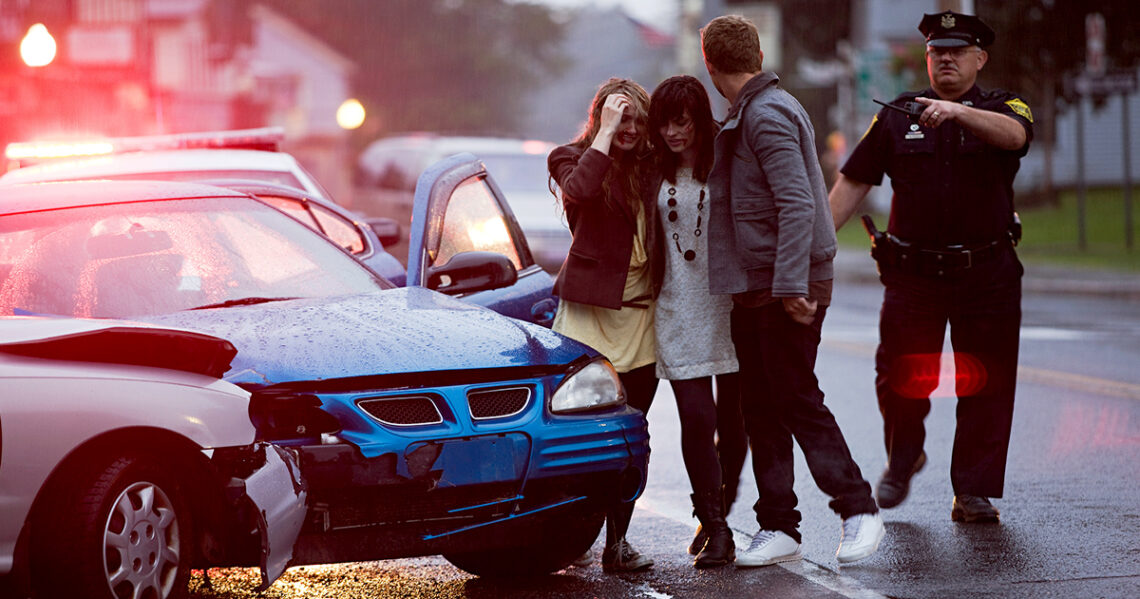
A drunk driving crash can leave you hurt, angry, and confused. In that chaos, the police report can shape what happens next in your DUI accident lawsuit. Insurance companies study it. Defense lawyers quote it. Judges and juries often trust it. A few lines in that report can support your claim for medical bills. They can also weaken your story if facts are missing or wrong. You need to know what officers look for, what they write down, and how those details affect fault and compensation. You also need to know what to do if the report is incomplete. chrishartlaw and other legal resources often start by reviewing that document. This blog explains how police reports influence your case, what you can challenge, and how to protect yourself after a DUI crash.
What A Police Report Usually Includes
After a crash, the officer gathers facts. That report often includes three simple parts.
- Basic facts. Date, time, place, weather, road type, and car damage.
- People involved. Driver names, contact details, license numbers, and witnesses.
- Officer findings. Diagrams, statements, test results, and any charges.
The officer may also record signs of drunk driving. That can include breath test results, field tests, open containers, or slurred speech. Each note can affect how others see your claim.
How Police Reports Affect Fault And Blame
The fault is about who caused the crash. The police report often becomes the first story of what happened. You need to understand how that story forms.
- Officers can mark one driver as the “contributing” driver.
- They can list traffic violations such as speeding or failure to yield.
- They can recommend criminal DUI charges.
Insurance adjusters often use this early story to decide who pays. Courts can allow parts of the report as evidence under state rules. That is why any mistake in the report can hurt your case.
Key Parts Of A DUI Police Report That Shape Your Lawsuit
Some details in a DUI report carry extra weight in a lawsuit. You can focus on three main parts.
- Crash description. How the officer says the crash happened can support or weaken your claim.
- Impairment signs. Breath test numbers, field test notes, and officer observations can show drunk driving.
- Witness notes. Short summaries of what witnesses said can back up your own story.
When these three parts line up with your memory and other proof, your claim often grows stronger. When they do not match, you may need extra proof such as photos, medical records, or expert opinions.
How Insurance Companies Use The Report Against You
Insurance companies often treat the police report as a tool to cut what they pay. They may:
- Point to any line that hints that you shared some fault.
- Ignore witness names that support your side.
- Highlight gaps in the report to question your memory.
You can push back. You can use the report to show that the other driver was drunk. You can also show that the officer found clear signs of impairment. That kind of detail matters when you seek payment for medical treatment, lost work, and pain.
Common Problems With DUI Police Reports
Police reports are not perfect. Officers work fast on dark roads with hurt people. Mistakes happen. You may see:
- Wrong contact details.
- Missing witness names.
- Wrong car positions in diagrams.
- Short or inaccurate quotes from you.
Any of these problems can damage your case. You should read the report soon after the crash and write down every error you see.
What You Can Do If The Report Is Wrong Or Incomplete
You are not stuck with a broken report. You can act in three clear steps.
- Request a copy from the police agency as soon as you can. Many agencies have simple online forms.
- Compare it with your own notes, photos, and medical records.
- Ask for a supplement if there are clear errors or missing witnesses.
Some departments allow officers to add a short supplement. Others may let you file a written statement. You can also bring these issues to your lawyer so they can question the report during your lawsuit.
How Police Reports Compare To Other Evidence
The police report is only one piece of the story. Other proof can support or correct it. The table below shows how common types of proof compare.
| Type of Evidence | Who Creates It | Strengths | Limits
|
|---|---|---|---|
| Police report | Responding officer | Neutral source. Includes crash overview and DUI signs. | Written fast. Can include errors or missing details. |
| Medical records | Doctors and nurses | Show injuries and treatment. | Do not always explain how the crash occurred. |
| Witness statements | People who saw the crash | Offer extra views of what happened. | Memory can fade. People can disagree. |
| Photos and video | You, police, or cameras | Show car damage, skid marks, and road conditions. | May not cover the full crash or all angles. |
| Breath or blood tests | Police or medical staff | Give clear numbers for alcohol level. | Can face challenges if procedures are not followed. |
When these sources line up with the police report, your case often grows stronger. When they clash, the court must decide which proof it trusts more.
How To Get A Copy Of Your Police Report
You should get a copy of your report as early as possible. Many states use public records rules that let you request them. The process can vary.
- Some police departments post crash report request forms on their websites.
- Some states use online portals that collect reports from many agencies.
- Some offices need a written letter with the date, location, and report number.
You can see examples of crash report guidance at the National Highway Traffic Safety Administration crash data systems page and through state public records guides such as the California Department of Justice public records portal.
How To Protect Yourself After A DUI Crash
You cannot erase the crash. You can still protect your future. After you get medical help, you can:
- Write down what you remember while it is fresh.
- Store photos of the scene, your car, and your injuries.
- Collect names and numbers of witnesses.
- Request the police report and check it for errors.
- Reach out to a trusted legal resource for guidance.
The report is powerful, but it is not the final word. When you know what is inside that document and how others use it, you can stand up for yourself and your family after a DUI accident.


Post Comment
You must be logged in to post a comment.