How Police Reports Impact DUI Accidente Lawsuits
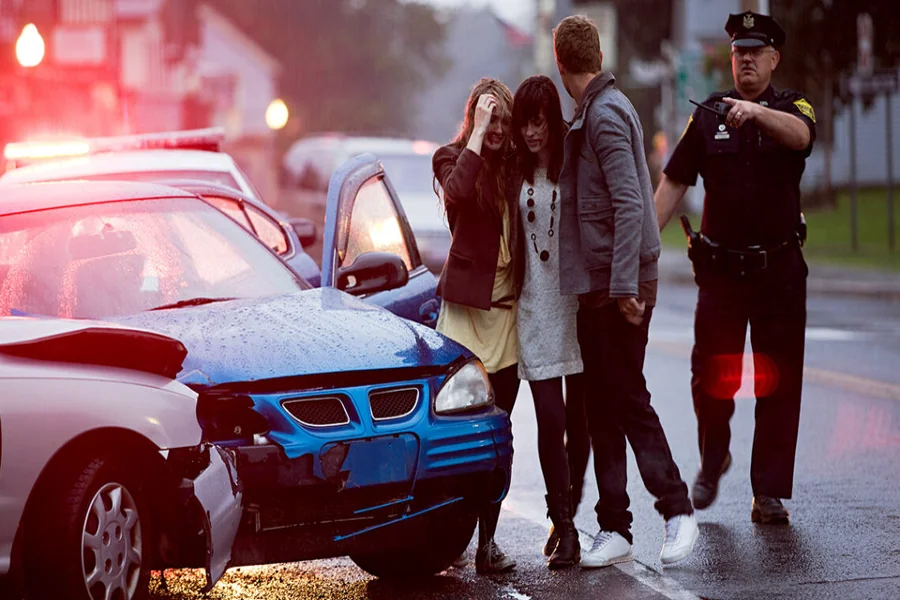
A police report can decide how your DUI accident lawsuit unfolds. It shapes what insurers believe. It guides what a judge or jury trusts. When an officer writes down observations, test results, and witness quotes, those words can either support your story or tear it apart. You may feel anger or shame after a crash. You might not even remember key moments. The report becomes the first clear record. It can show who was driving, how fast the cars were moving, and whether alcohol or drugs played any role. It can also reveal mistakes, bias, or missing facts that hurt your claim. You need to know how to read it, how to challenge errors, and how to use it as evidence. This guide explains how police reports impact DUI accident lawsuits and how chrishartlaw can help protect your rights.
What A Police Report Usually Includes
A DUI crash report often feels cold. Yet it tells a hard story about you, the other driver, and every person hurt. You should know what is inside it. A typical report may list
- Date, time, and place of the crash
- Weather and road conditions
- Names, contact details, and insurance for drivers and witnesses
- Vehicle damage and final rest positions
- Statements from drivers, passengers, and bystanders
- Officer observations about smell of alcohol, speech, balance, or behavior
- Field sobriety test notes and scores
- Breath or blood test results
- Citations or criminal charges
- Diagram of the scene and any photos listed
Each line can affect your lawsuit. A single phrase about you looking “unsteady” can haunt your case for years.
How Police Reports Shape Fault and Blame
Fault means who caused the crash. The report often becomes the first map of fault. Insurers and lawyers study it. Courts review it. Even if some parts are not allowed as evidence, the report still frames early talks.
Officers may include
- Which driver failed to yield or ran a red light
- Whether speed or distraction played any part
- Whether alcohol or drugs seemed present
- Who received tickets or was arrested
That early picture can move your claim in one of three ways. It can support you. It can hurt you. Or it can raise questions that no one can ignore.
Common Report Findings And Their Impact On DUI Accident Lawsuits
| Report Detail | How Insurers Often Use It | Possible Effect On Your Lawsuit
|
|---|---|---|
| Driver cited for DUI | Assume intoxication caused the crash | Stronger claim against that driver for injury costs |
| No citation issued | Argue fault is unclear or shared | Harder fight over who pays damages |
| Witness says one car ran light | Lean on witness to support or deny fault | Witness may sway judge or jury if found credible |
| Officer notes high speed | Claim speeding raised crash severity | Can raise or lower damage value based on who sped |
| Diagram shows rear end hit | Assume back driver is at fault | Back driver must show sudden stop or other cause |
| Report lists alcohol odor only | Insurer hints at impairment even without test | Need strong proof of safe driving and clear thinking |
Limits Of Police Reports In Court
Police reports carry weight. Yet they are not the final truth. Courts follow rules about what parts a jury can see. Some states treat reports as hearsay. That means the paper alone may not come in as proof at trial. The officer may need to testify in person.
You should know
- Not every opinion in the report is accepted
- Some facts may be wrong or incomplete
- Conflicting witness stories can weaken any clear claim
You can learn more about how states handle crash reports and DUI data through the National Highway Traffic Safety Administration. That source shows how often alcohol use leads to serious harm and death on roads.
Common Errors And Bias In DUI Crash Reports
Officers work under pressure. Scenes are loud. People cry or panic. In that chaos, mistakes can happen. Bias can slip in without warning. Common problems include
- Wrong time or location
- Misspelled names or wrong contact details
- Swapped driver and passenger roles
- Missed witnesses who left before the officer arrived
- Unclear diagrams that do not match damage
- One-sided quotes that leave out your full story
If the officer thinks you are drunk, every move you make may look worse on paper. Simple fear can be written as “uncooperative.” Pain can be written as “slurred speech.” These words can poison how others see you.
How To Get And Review Your Police Report
You have a right to see the report. The process is usually simple.
- Contact the police department that handled the crash.
- Ask for the traffic crash report or incident report by date and report number if you have it.
- Follow their steps to pay any fee and receive a copy by mail, in person, or online.
Next, read the report line by line. You can
- Check every name, address, and plate number
- Compare the diagram to your memory and any photos you took
- Review each quote to see if it matches what you said
- Look for missing facts about road hazards, weather, or other drivers
If you find clear errors, you can ask for an amendment. Some departments allow officers to add a short supplement. Others only note that you dispute parts of the report. Either way, your effort creates a record.
The Centers for Disease Control and Prevention offers facts about impaired driving harms. That information can support safety changes in your community and explain why officers focus so hard on alcohol and drug use.
Using The Report In Your DUI Accident Lawsuit
During insurance talks, the report often sets the tone. Adjusters point to it when they deny claims or offer low amounts. You can respond by
- Pointing out parts that support your story
- Explaining any errors with photos, medical records, or repair bills
- Highlighting witness names who back your version
During a lawsuit, the report can guide questions for witnesses, crash experts, and the officer. It can also help track missing evidence like traffic camera footage or 911 calls.
Why Quick Action Matters After A DUI Crash
Time eats evidence. Skid marks fade. Cameras record over old video. Witnesses move or forget. The report may be the only early record. Yet it should not be the last. You protect yourself when you
- Seek medical care right away
- Save photos, messages, and contact details
- Write down your memory of the crash while it is still fresh
- Request the police report as soon as it is ready
You do not have to face that report alone. Careful review and strong pushback against errors can reduce the damage of unfair words. Honest facts and steady action can turn a cold form into a tool that protects you and your family.


Post Comment
You must be logged in to post a comment.