How To Prove Fault in a South Bend Motorcycle Crash
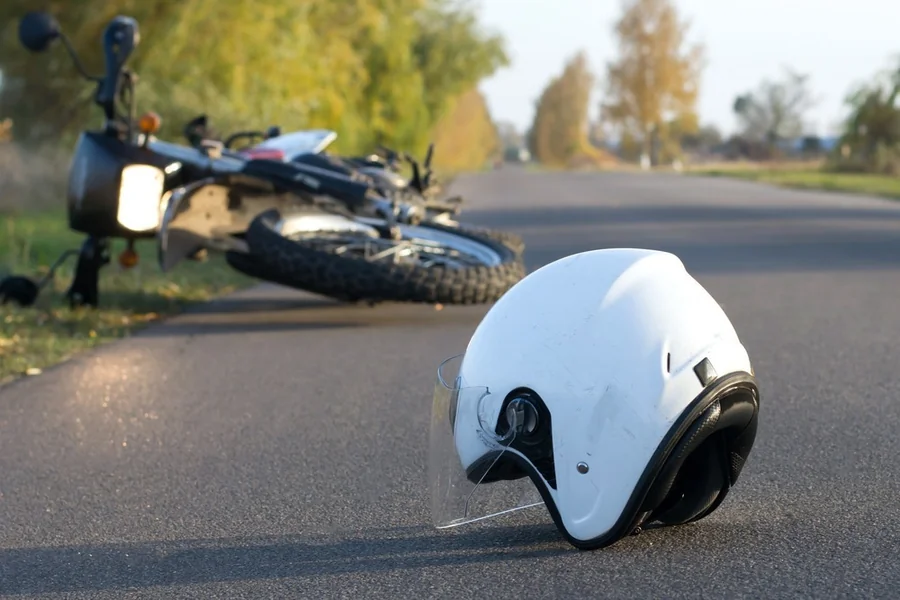
A sudden crash on your motorcycle can turn a normal day into chaos. You face pain, bills, and pressure from insurance companies. You may hear blame from others before you even know what happened. In South Bend, proving who caused the crash is not simple. You need clear facts, strong records, and steady support. This guide explains how fault works, what proof you need, and how to protect your rights from day one. You learn what photos to take, what witnesses to find, and what mistakes to avoid. You also see how Indiana law treats shared blame and why police reports matter. If you have searched for a motorcycle accident attorney near me, you already know you should not face this alone. You deserve clear steps and honest answers so you can move forward with strength.
Understand how fault works in Indiana
Indiana uses a rule called modified comparative fault. That means a court can split blame between you and the other driver. If you are 51 percent or more at fault, you cannot recover money. If you are 50 percent or less at fault, your money award drops by your share of blame.
Here is a simple view of how this works.
| Fault share for you | Can you recover money | Example on a $100,000 claim |
|---|---|---|
| 0 percent | Yes | You may receive $100,000 |
| 25 percent | Yes | You may receive $75,000 |
| 50 percent | Yes | You may receive $50,000 |
| 51 percent or more | No | You receive $0 |
This rule makes proof very important. Insurance companies try to push your share of blame over 50 percent. Your task is to show clear facts that keep your share low or at zero.
Call 911 and get a police report
Your first step is safety. Move out of traffic if you can. Then call 911. Ask for police and medical help. Even if you feel fine, you may have hidden injuries.
A police report is a key record. It can show:
- Date, time, and place of the crash
- Names and contact details for drivers and witnesses
- Weather and road conditions
- Tickets given to any driver
- The officer’s first view of who caused the crash
You can request the report later through the Indiana State Police or local police records unit. The National Highway Traffic Safety Administration explains why reports and data on motorcycle crashes matter for safety and proof. You can read more at https://www.nhtsa.gov/road-safety/motorcycles.
Collect proof at the scene
If you can move and it is safe, use your phone to record the scene. Quick action can protect you when memories fade.
Focus on three things.
- Photos. Take pictures of all vehicles, your bike, road marks, traffic lights, and signs. Take close shots and wide shots.
- Video. Record a short walk around the scene. Show damage, glass, and skid marks.
- Witnesses. Ask bystanders for names, phone numbers, and email addresses. Ask them to write a short note or record a short statement on your phone while events are fresh.
Do not argue with the other driver. Do not admit blame. Keep your words short. You can say you want to speak after you have had medical care.
Protect your medical proof
Medical records show how hard the crash hit you. They also link your injuries to the crash. This link is what insurance companies often attack.
Take three steps.
- Get checked the same day. Go to an emergency room or urgent care.
- Tell the doctor every part of your body that hurts, even if pain is small.
- Follow treatment orders and keep all follow up visits.
Keep copies of:
- Hospital records
- Doctor notes
- X ray or scan reports
- Prescriptions
- Physical therapy records
These records support your story and can counter claims that you were not hurt or that something else caused your pain.
Use traffic laws to show fault
Many motorcycle crashes come from simple rule breaks by drivers. Examples include:
- Turning left across your lane
- Changing lanes without checking blind spots
- Following too close
- Speeding or running a red light
- Texting while driving
If the other driver broke a traffic rule, that can be strong proof of fault. You can compare what happened to Indiana traffic rules. Indiana traffic safety and road rules are discussed through state links that start at https://www.in.gov/indot/. These rules help you and your lawyer match the facts of the crash to clear duties on the road.
Track money losses and life changes
Fault is tied to harm. You need a clear record of how the crash changed your life. Keep a folder for proof such as:
- Repair or total loss estimates for your motorcycle
- Tow and rental bills
- Medical bills and receipts
- Pay stubs that show lost income
- Notes from your employer about missed work or changed duties
You may also keep a short journal. Write the date and rate your pain. Note sleep problems, missed events, and tasks you can no longer do. Simple and honest notes can carry weight when someone reviews your claim.
Avoid common mistakes that hurt your claim
Small choices can cause large damage to your case. Three common mistakes are:
- Talking too much to insurers. Adjusters may sound caring. They still work to save money. Give basic facts only. Do not agree to a recorded statement without legal advice.
- Posting on social media. A single photo or joke can be used against you. Pause posting about your health, rides, or trips until your claim is done.
- Waiting to get help. Time limits apply. Physical proof fades. Witnesses move. Early help protects you.
Know when to seek legal help
Proving fault in a South Bend motorcycle crash is hard. You face pain and stress while others pick apart your story. You do not need to carry that weight alone. An experienced guide can gather proof, handle insurers, and build a clear picture of what really happened.
You have the right to ask questions. You have the right to say no to quick low offers. You also have the right to protect your future after a crash that you did not cause. When you take steady steps to collect proof, follow medical care, and guard your words, you give yourself a stronger chance at fair treatment and a more secure next chapter.



Post Comment
You must be logged in to post a comment.