The 5 Most Effective Ways To Choose A Slip Disc Specialist
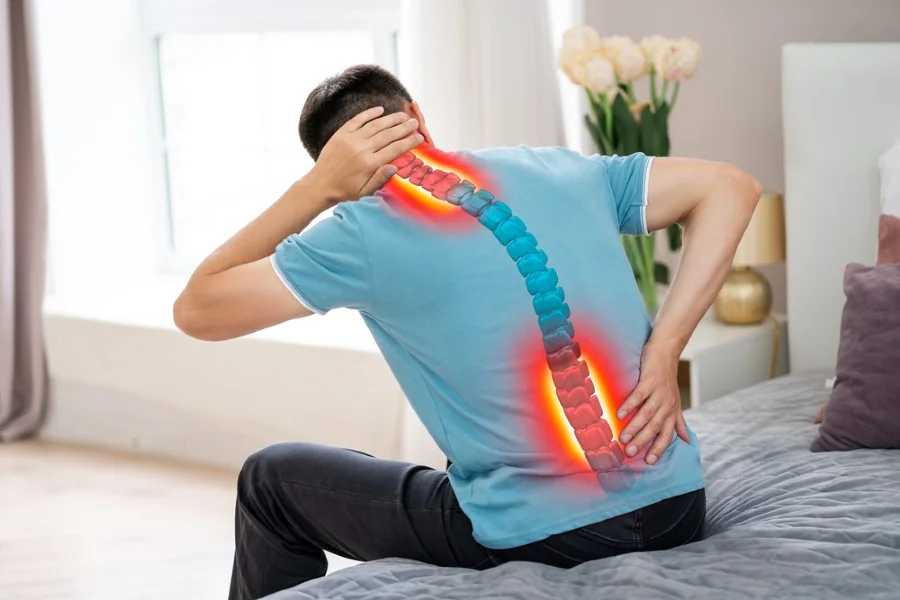
A slipped or herniated disc can cause sharp pain, tingling or weakness along your nerves. When a disc presses on a nerve root, it can affect your back, legs or arms.
You will need a disc specialist who knows how to diagnose and treat this problem. With the right expert, you can almost rest assured that you’ll be set on a clear path to relief and recovery.
If you’re considering seeing a slip disc specialist in Singapore, there are so many clinics you can visit for proper spine care. However, we must not overlook the fact that not all doctors have the same focus or skills which is why we also created this guide.
On this page, we will share the five most effective ways to choose a good slip disc specialist for your concerns. But before that;
Why would you need a Slip Disc Specialist?
If you have symptoms that mirror those of a slip disc, your provider may refer you to a slip specialist. If this is the first time you’re being referred to a specialist you may naturally wonder; why would you need a slip specialist?
To begin with, a slipped disc affects the soft cushions between your vertebrae. When one of these discs bulge or break, it can press on nearby nerves.
This pressure may cause not just pain, but also numbness or weakness in the areas those nerves serve. Over time, constant pressure can damage the nerve and cause lasting issues like muscle weakness, tingling, or even loss of movement in the affected limb.
While a general practitioner can spot symptoms and offer initial pain relief, a slip disc specialist can provide deeper insight. The reason for this is simple; slip disc specialists study how these areas function and how spinal problems affect them.
What this means is that they can read your imaging tests like MRI or CT scans. And with a trained eye, they can pinpoint exactly which nerve is involved and how severe the damage is.
Beyond diagnosis, a slip disc specialist can also offer advanced treatments. They use guided injections to reduce inflammation around a trapped nerve root.
They may recommend specific physiotherapy plans that target nerve gliding and strengthen supporting muscles. In some cases, they even perform minimally invasive surgery to remove disc fragments with less tissue damage and quicker recovery.
The 5 Most Effective ways to Choose a Slip Specialist
As earlier mentioned, slip disc specialists are not made the same. To find or to choose the best slip specialist for your specific condition, here are five tips to guide you;
-
Check their Credentials and Training
Anyone who claims to be a qualified slip disc specialist should hold accreditation from recognised professional bodies. In Singapore, look for certification from the Ministry of Health plus membership in spine or neurology associations.
Advanced training in neurosurgery or orthopaedic spine surgery confirms they have deep knowledge of nerve anatomy. If they list additional fellowships in pain management or spine interventions, that’s a strong sign they stay current with techniques.
-
Review their Experience with Slip Discs
Not all slip disc specialists treat slipped discs equally. So, it will help to ask how many disc repairs or decompressions they have performed in the last year.
More experience often means they’ve refined their skills and know how to handle unexpected findings during surgery. If they share success rates or patient follow-up data, it gives you concrete evidence of their track record. An experienced specialist will also have a clear protocol for rehabilitation which can reduce the chance of re-injury.
-
Assess their Diagnostic Approach
A good slip disc specialist relies on thorough assessment before any treatment. They should start with detailed history-taking: where the pain started, how it moves, and what makes it better or worse.
This would be followed by a careful physical exam, checking reflexes, muscle strength and nerve tension signs. Look for a doctor who uses up-to-date imaging methods—like high-resolution MRI—and explains your scans in simple terms.
-
Read Patient Reviews and Testimonials
Hearing from real patients offers honest insight into a nerve specialist’s care style. Search online for reviews on clinic websites or healthcare portals.
As you go through reviews, pay attention to comments about communication, waiting times, and how well the doctor explains procedures. If former patients mention clear recovery plans and ongoing support, it means the specialist sees you as a person, not just a case.
-
Assess their Communication and Care Style
You want a slip disc specialist who listens and explains without jargon. During your first consultation, note if they answer questions fully and check if you understand each step.
A doctor who offers printed or digital handouts on slipped-disc care shows they value patient education. Also, see if they work with a team which may include a physiotherapist, pain nurse or counsellor for holistic support.
What to Expect when you Consult a Nerve Specialist
Your first visit to a slip disc specialist will most likely begin with a detailed chat about your symptoms. You’ll be asked about when the pain started, how it travels and what makes it better or worse.
After that, the doctor will perform a focused physical exam by checking your spine flexibility and nerve reflexes. Imaging tests may then be recommended where you might get an MRI on the same day or a referral for a specialised scan soon after.
The slip disc specialist will then review your results and show you the images. A good specialist will also be keen to explain which disc is affected and how it presses on the nerve root.
Once you understand the issue, the doctor will outline your treatment plan which could start with guided nerve-block injections to reduce inflammation. You’ll also discuss physiotherapy exercises that protect your spine and improve nerve mobility.
If surgery appears necessary, the specialist will detail the procedure, risks and recovery timeline. By the end of the consultation, you will clearly know what to do next—whether it’s scheduling injections, starting rehab or arranging surgery.
It’s a Wrap
The slip disc specialist you choose for your treatment will greatly influence your treatment outcome. If you can find a specialist attuned to both your spine and nerves, you gain more than relief.
You also get a partner in your treatment process. Someone who listens, explains and supports your goals. This focused approach minimises complications and speeds up healing.
If you’re worried about a slipped disc in Singapore, book a consultation with our experienced slip disc specialist today and start your customised treatment plan. To proceed, call or visit us at;
CHOU Neurosurgery Clinic (Farrer Park) – Brain & Spine Specialist Singapore



Post Comment
You must be logged in to post a comment.