How to Choose Commercial HVAC Contractor for Projects
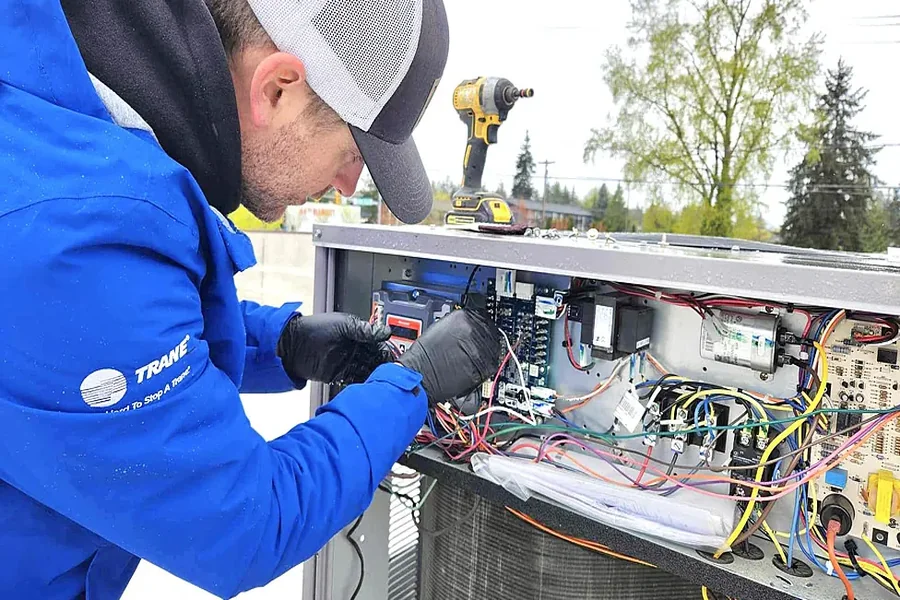
Selecting the right professional for heating, ventilation, and cooling systems is one of the most important decisions for any business facility. Knowing how to choose commercial HVAC contractor can directly impact energy efficiency, indoor comfort, maintenance costs, and long-term system reliability.
Commercial HVAC systems are far more complex than residential setups. They serve larger spaces, require precise engineering, and must comply with strict building codes and safety regulations. A poor contractor choice can lead to inefficient systems, frequent breakdowns, and expensive repairs.
On the other hand, a qualified contractor ensures proper system design, correct installation, and long-term performance optimization. Understanding what to look for helps businesses make informed decisions.
Verify Licensing, Certification, and Experience
The first step in selecting a commercial HVAC contractor is verifying proper licensing and certifications.
Licensed contractors meet legal and professional standards required to perform HVAC work safely and correctly. Certifications from recognized organizations indicate technical expertise and ongoing training in industry practices. You can explore more here: isaimini.
Experience is equally important. Commercial HVAC projects require knowledge of large-scale systems, zoning, load calculations, and energy management. Contractors with years of experience in commercial environments are more likely to handle complex requirements efficiently.
It is also helpful to check if the contractor has experience in your specific industry, such as offices, retail spaces, warehouses, or industrial facilities.
Proper credentials and experience reduce risks and ensure reliable system performance.
Evaluate Commercial Project Portfolio and References
A strong portfolio is a clear indicator of a contractor’s capability.
Reviewing past commercial projects helps you understand the scale and type of work the contractor has handled. Look for similar building sizes and system complexities.
Requesting references from previous clients provides valuable insight into reliability, communication, and quality of work. Speaking directly with past clients can reveal how the contractor handles deadlines, challenges, and post-installation support.
Online reviews and testimonials can also provide additional information, but direct references are often more reliable.
A contractor with a proven track record in commercial HVAC projects is more likely to deliver consistent results.
Compare Pricing, Proposals, and Transparency
Cost is an important factor, but it should never be the only consideration.
When learning how to choose commercial HVAC contractor, it is essential to compare detailed proposals rather than just final prices. A professional contractor will provide a clear breakdown of labor, equipment, materials, and service charges.
Be cautious of unusually low bids, as they may indicate low-quality materials or incomplete service coverage.
Transparency in pricing reflects professionalism and reduces the risk of unexpected costs during the project.
It is also important to evaluate warranty terms and maintenance agreements included in the proposal. These factors can significantly affect long-term expenses.
A well-structured and transparent proposal helps businesses make fair comparisons.
Assess Technical Expertise and System Design Capability
Commercial HVAC systems require advanced technical knowledge and precise design planning.
A qualified contractor should be able to perform accurate load calculations based on building size, occupancy, insulation, and usage patterns. This ensures the system is properly sized and energy efficient.
They should also be familiar with modern HVAC technologies such as variable refrigerant flow systems, energy recovery systems, and smart building integration.
Proper duct design, airflow balancing, and zoning strategies are also critical for commercial environments.
Contractors who provide detailed system designs and explain their approach clearly demonstrate strong technical expertise.
Good system design directly impacts energy efficiency and long-term operational costs.
Check Maintenance Support and Service Availability
Ongoing maintenance is essential for commercial HVAC systems.
Before selecting a contractor, it is important to understand their maintenance services and response times.
A reliable contractor should offer preventive maintenance plans that include regular inspections, filter replacement, system tuning, and emergency repairs.
Fast response time is especially important for commercial facilities where downtime can affect business operations.
Availability of 24/7 emergency service is another important factor for critical environments such as hospitals, data centers, and retail spaces.
Long-term service support ensures system reliability and reduces unexpected breakdown costs.
Review Compliance, Safety Standards, and Warranty Terms
Compliance with building codes and safety regulations is a key responsibility of any commercial HVAC contractor.
Contractors must follow local regulations, environmental standards, and energy efficiency requirements during installation and maintenance.
Proper safety practices protect both workers and building occupants. This includes safe handling of refrigerants, electrical systems, and heavy equipment.
Warranty terms should also be carefully reviewed. A strong warranty reflects confidence in workmanship and equipment quality.
Understanding what is covered under warranty helps avoid disputes and unexpected repair costs in the future.
Compliance and safety standards ensure long-term system reliability and legal protection.
Final Thought
Understanding how to choose commercial HVAC contractor is essential for ensuring efficient system performance, cost control, and long-term reliability. A qualified contractor brings technical expertise, proper certification, and proven experience that directly impact the success of any HVAC project.
By carefully evaluating credentials, project history, pricing transparency, and maintenance support, businesses can avoid costly mistakes and ensure smooth system operation.
A well-chosen HVAC contractor not only delivers quality installation but also provides long-term value through reliable service and energy-efficient system performance.
FAQs
What qualifications should a commercial HVAC contractor have?
They should have proper licensing, certifications, and experience in commercial projects.
Why is experience important in HVAC contracting?
Experience ensures the contractor can handle complex commercial system requirements effectively.
Should I choose the cheapest HVAC contractor?
No. The lowest price may indicate lower quality or incomplete services.
What should be included in an HVAC proposal?
It should include labor, materials, equipment, and warranty details.
Do commercial HVAC contractors offer maintenance services?
Yes. Most provide preventive maintenance and emergency repair services.
Why is system design important in commercial HVAC?
Proper design ensures energy efficiency and balanced airflow throughout the building.
How can I verify a contractor’s reliability?
Check references, past projects, certifications, and customer reviews.



Post Comment
You must be logged in to post a comment.