HVAC System Performance Optimization Tips for Efficiency
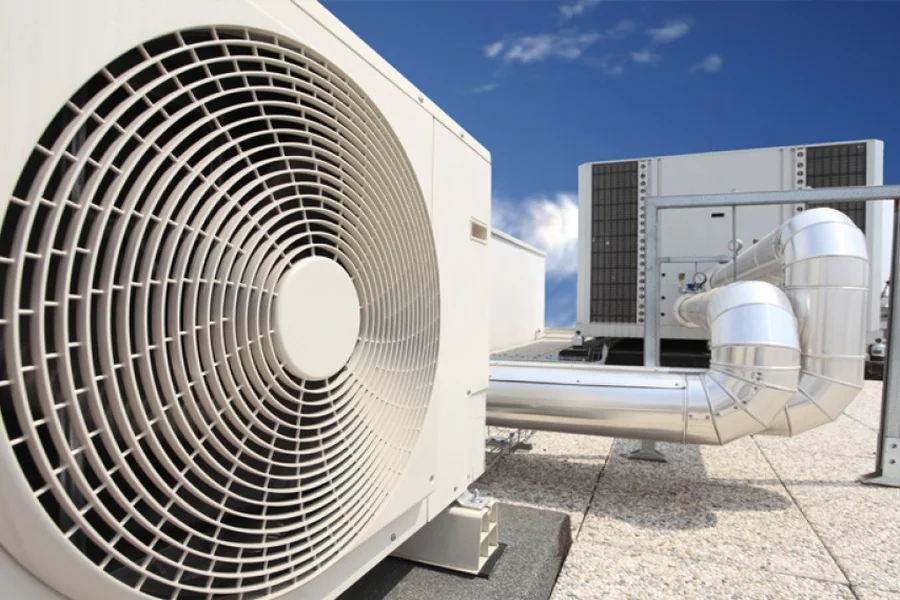
Keeping a heating and cooling system running at peak performance is essential for comfort, energy savings, and long-term reliability. HVAC system performance optimization tips help homeowners and building managers get the most out of their systems while reducing unnecessary energy waste and repair costs.
An HVAC system naturally loses efficiency over time due to dust buildup, worn components, airflow issues, and lack of maintenance. However, with the right strategies, it is possible to restore and even improve system performance significantly.
Optimizing HVAC performance is not just about fixing problems when they occur, but also about preventing inefficiencies before they develop.
Regular Maintenance for Maximum Efficiency
Routine maintenance is one of the most important factors in improving HVAC performance.
Dirty filters, clogged coils, and neglected components force the system to work harder than necessary. This increases energy consumption and reduces overall efficiency.
Air filters should be cleaned or replaced regularly depending on usage and environmental conditions. In most homes, replacing filters every one to three months is recommended.
Coils in both indoor and outdoor units should be cleaned to ensure proper heat transfer. When coils are dirty, the system struggles to cool or heat effectively.
Professional maintenance visits should be scheduled at least once a year. Technicians inspect refrigerant levels, electrical connections, and overall system health.
Consistent maintenance ensures smooth operation and prevents unexpected breakdowns.
Improve Airflow and Ventilation Efficiency
Proper airflow is essential for optimal HVAC performance.
Blocked vents or closed registers can create pressure imbalances in the system. This forces the HVAC unit to work harder to distribute air evenly.
Furniture, curtains, or other objects should not obstruct air vents. Keeping vents open ensures balanced air distribution throughout the space.
Ductwork also plays a major role in airflow efficiency. Leaks or poorly sealed ducts can lead to significant air loss and reduced performance.
Sealing duct leaks improves airflow and reduces energy waste. In some cases, duct cleaning may also be necessary to remove dust and debris buildup.
Balanced airflow ensures that every room receives consistent heating or cooling.
Upgrade to Smart Controls and Automation Systems
Modern technology plays a key role in HVAC system performance optimization.
Smart thermostats allow users to control temperature settings remotely and automate schedules based on daily routines. This reduces unnecessary energy usage when spaces are unoccupied.
Some advanced systems use learning algorithms to adjust temperature automatically based on user behavior and environmental conditions.
Zoning systems allow different areas of a building to be controlled independently. This prevents energy waste by only conditioning occupied spaces.
Integration with smart home systems provides additional control and monitoring features, helping users track energy consumption and system performance.
Automation improves both comfort and efficiency by reducing manual errors and optimizing system operation.
Optimize System Sizing and Load Management
Proper system sizing is critical for HVAC performance.
An oversized system cycles on and off too frequently, which reduces efficiency and increases wear and tear. An undersized system struggles to maintain desired temperatures, leading to constant operation and higher energy use.
Load calculations help determine the correct system size based on building area, insulation, occupancy, and climate conditions.
Professional HVAC contractors use these calculations to recommend appropriately sized systems for maximum efficiency.
Proper sizing ensures balanced operation, reduced energy consumption, and improved comfort.
Load management strategies, such as zoning and scheduled operation, further enhance system performance.
Enhance Insulation and Building Envelope Efficiency
The building structure itself has a major impact on HVAC performance.
Poor insulation allows heat transfer between indoor and outdoor environments, forcing the HVAC system to work harder.
Sealing gaps around windows and doors helps prevent air leakage. Weather stripping and caulking are simple yet effective solutions.
Roof and attic insulation reduce heat gain during summer and heat loss during winter.
Energy-efficient windows with double or triple glazing also improve thermal performance.
A well-insulated building reduces the load on HVAC systems, improving efficiency and lowering energy costs.
Monitor Energy Usage and System Performance
Tracking HVAC performance helps identify inefficiencies early.
Energy monitoring systems provide real-time data on electricity consumption and system usage patterns.
Unusual spikes in energy usage may indicate system issues such as dirty filters, refrigerant leaks, or mechanical faults.
Regular monitoring allows homeowners and facility managers to take corrective action before problems worsen.
Some smart HVAC systems also provide performance reports and maintenance alerts.
Data-driven insights help optimize system usage and improve long-term efficiency.
Final Thought
Applying HVAC system performance optimization tips is essential for maintaining comfort, reducing energy costs, and extending system lifespan. Simple actions like regular maintenance, airflow improvements, and insulation upgrades can significantly enhance efficiency.
When combined with smart controls and proper system sizing, these strategies ensure that HVAC systems operate at peak performance throughout the year.
A well-optimized system not only saves money but also provides consistent indoor comfort and reduces environmental impact.
FAQs
What is HVAC performance optimization?
It is the process of improving system efficiency, airflow, and energy usage.
How often should HVAC systems be maintained?
At least once a year for professional servicing and regularly for filter changes.
Do smart thermostats improve HVAC performance?
Yes. They optimize temperature control and reduce unnecessary energy usage.
Can airflow affect HVAC efficiency?
Yes. Poor airflow reduces system performance and increases energy consumption.
Why is system sizing important?
Correct sizing ensures efficient operation and balanced temperature control.
Does insulation improve HVAC efficiency?
Yes. Good insulation reduces heat loss and gain, improving system performance.
How can I monitor HVAC performance?
Using smart thermostats or energy monitoring systems helps track efficiency.


Post Comment
You must be logged in to post a comment.