Best Home Cooling Solutions Without AC for Comfort

Staying cool during hot weather does not always require an air conditioner. Many homeowners look for the best home cooling solutions without AC to reduce electricity costs, avoid installation expenses, or live more sustainably. With the right combination of techniques, it is possible to maintain a comfortable indoor environment even in warm climates.
Heat builds up indoors due to sunlight, poor ventilation, and heat-producing appliances. By addressing these factors, you can significantly reduce indoor temperatures naturally. These methods are especially useful in regions where electricity is expensive or power supply is inconsistent.
This guide covers practical, affordable, and effective ways to keep your home cool without relying on air conditioning.
Improve Natural Ventilation for Better Airflow
One of the most effective ways to cool your home without AC is by improving natural airflow.
Opening windows strategically allows fresh air to circulate and push hot air out. Cross-ventilation works best when windows or doors are opened on opposite sides of a room or building.
Early morning and late evening are ideal times for ventilation because outdoor temperatures are cooler. During the hottest part of the day, keeping windows closed can help trap cooler indoor air.
Using window screens allows airflow while keeping insects out. Ceiling vents and exhaust fans in kitchens and bathrooms also help remove trapped heat and humidity.
Good ventilation is the foundation of natural cooling and can make a noticeable difference in indoor comfort.
Use Heat Reduction Techniques Inside the Home
Reducing indoor heat sources is essential for maintaining a cooler environment.
Sunlight entering through windows can significantly raise indoor temperatures. Using blackout curtains, reflective blinds, or thermal curtains helps block heat effectively.
Switching to LED lighting instead of traditional bulbs reduces heat generation inside the home.
Limiting the use of heat-producing appliances such as ovens, irons, and dryers during the hottest hours also helps maintain cooler indoor conditions.
Cooking early in the morning or later in the evening reduces heat buildup during the day.
Even small changes in daily habits can significantly reduce indoor temperature levels.
Enhance Insulation and Reflect Heat Outside
Proper insulation is not just for keeping heat in during winter; it also helps keep heat out during summer.
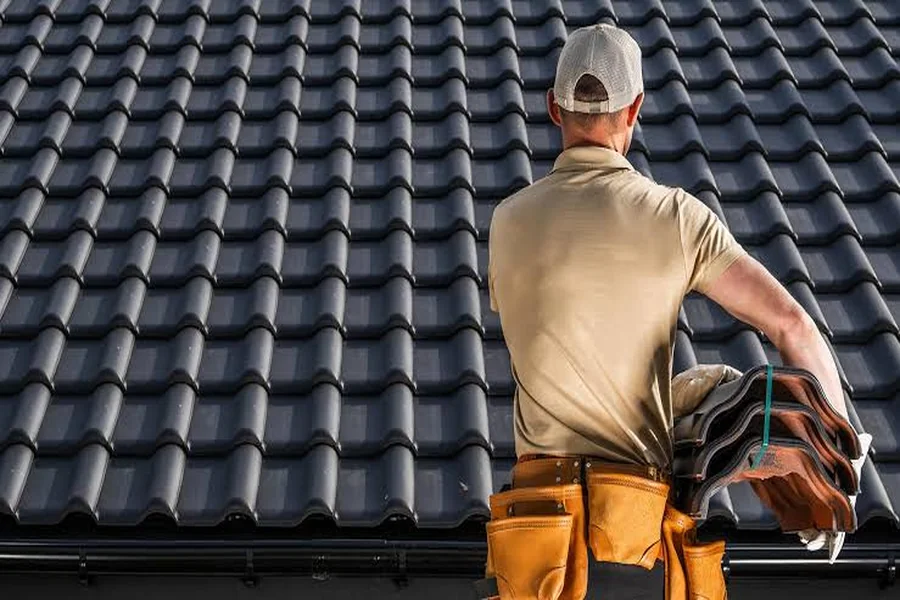
Roof insulation plays a major role in preventing heat from entering living spaces. Attic insulation materials help reduce heat transfer from the roof to the interior of the home.
Reflective roof coatings or cool roof paints can also reduce heat absorption by reflecting sunlight.
Sealing gaps around doors and windows prevents warm air from entering and cool air from escaping.
Using weather stripping and door sweeps improves sealing and enhances indoor comfort.
Good insulation helps maintain stable indoor temperatures without mechanical cooling systems.
Use Fans and Air Movement Strategies
Fans are one of the most effective alternatives to air conditioning.
Ceiling fans help circulate air and create a cooling breeze effect. This makes the room feel cooler even if the actual temperature remains the same.
Table fans and pedestal fans can be positioned to direct airflow where it is needed most.
Placing a bowl of ice or cold water in front of a fan can create a cooling effect by blowing cooler air into the room.
Exhaust fans in kitchens and bathrooms help remove hot and humid air, improving overall comfort.
Combining different types of fans can improve airflow efficiency throughout the home.
Introduce Natural Cooling Elements and Landscaping
Nature-based cooling methods can significantly reduce indoor temperatures.
Planting trees around the house provides natural shade and reduces direct sunlight exposure. Trees also help cool the surrounding air through transpiration.
Climbing plants and green walls can reduce heat absorption on exterior walls.
Using water features such as small fountains or ponds can help cool surrounding air through evaporation.
Light-colored exterior walls reflect more sunlight compared to dark colors, reducing heat absorption.
These natural methods create a cooler microclimate around the home.
Smart Daily Habits for Cooler Indoor Living
Daily habits play a big role in maintaining a cool indoor environment.
Keeping interior doors open improves air circulation between rooms.
Sleeping on breathable fabrics such as cotton helps maintain comfort during hot nights.
Staying hydrated and using cold compresses can also help regulate body temperature.
Avoiding unnecessary lighting and electronics reduces heat buildup inside rooms.
Adjusting daily routines based on temperature changes helps maintain a comfortable living space naturally.
Consistency in these habits leads to long-term comfort without relying on AC.
Final Thought
The best home cooling solutions without AC rely on a combination of airflow management, heat reduction, insulation, and smart lifestyle habits. While no single method can fully replace air conditioning in extreme heat, combining multiple strategies can create a significantly cooler and more comfortable home environment.
These natural cooling techniques are cost-effective, environmentally friendly, and easy to implement. By improving ventilation, reducing heat sources, and using simple tools like fans and insulation, homeowners can maintain comfort while reducing energy consumption.
With consistent application, these methods offer a practical and sustainable way to stay cool without depending on air conditioning.
FAQs
What is the best way to cool a house without AC?
Improving ventilation and blocking heat from sunlight are the most effective methods.
Can fans replace air conditioning?
Fans do not lower temperature but improve air circulation and comfort.
How can I keep my room cool naturally?
Use ventilation, curtains, insulation, and reduce heat-producing appliances.
Do plants help cool a house?
Yes. Plants provide shade and reduce surrounding temperatures naturally.
Does insulation help in summer?
Yes. It prevents outdoor heat from entering indoor spaces.
What is the cheapest way to cool a home?
Using fans and improving airflow are the most affordable options.
How can I sleep comfortably without AC?
Use breathable bedding, good ventilation, and ceiling fans for airflow.
Post Comment
You must be logged in to post a comment.