HVAC Maintenance Specialists: Ensuring System Efficiency and Reliability
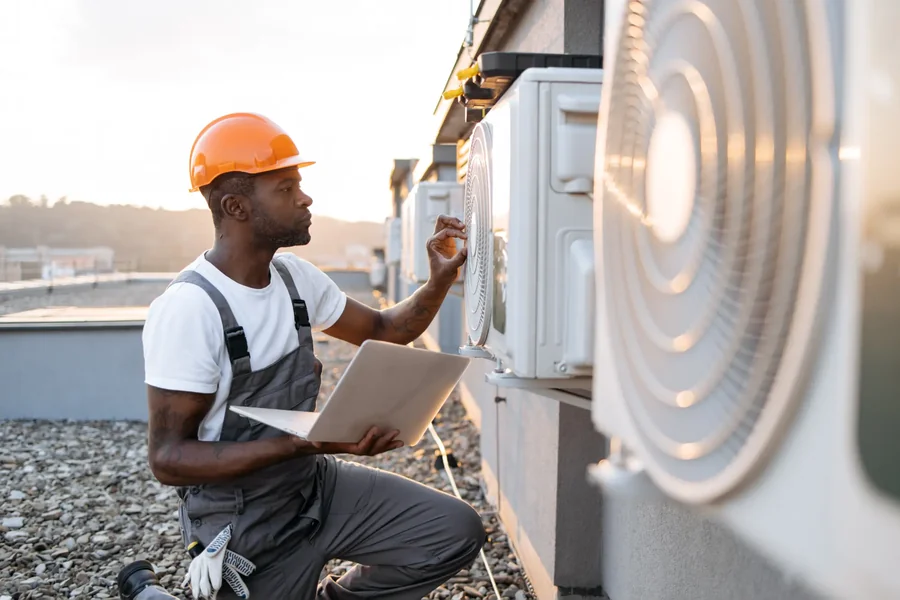
Heating, ventilation, and air conditioning systems require regular care to operate efficiently and reliably. HVAC Maintenance Specialists are trained professionals who focus on inspecting, servicing, and optimizing HVAC systems to prevent breakdowns and ensure long-term performance. Their work is essential for maintaining comfort, reducing energy costs, and extending equipment lifespan in both residential and commercial environments.
As HVAC systems become more advanced with smart controls and energy-efficient technology, regular maintenance has become even more important. Skilled maintenance specialists help ensure that systems run smoothly, safely, and at peak efficiency throughout the year.
Why HVAC Maintenance Specialists Are Important
HVAC systems experience continuous use, especially in extreme weather conditions. Without proper maintenance, small issues can quickly turn into costly repairs or complete system failures.
HVAC maintenance specialists provide several key benefits:
- Improve system efficiency and performance.
- Reduce unexpected breakdowns.
- Extend equipment lifespan.
- Lower energy consumption and utility bills.
- Enhance indoor air quality.
Their preventive approach helps customers avoid expensive emergency repairs while maintaining consistent indoor comfort.
Core Responsibilities of HVAC Maintenance Specialists
Maintenance specialists perform a wide range of tasks designed to keep HVAC systems in optimal condition.
Routine System Inspections
Regular inspections help identify early signs of wear and potential issues before they become serious problems. Specialists check electrical components, airflow, refrigerant levels, and overall system performance.
Cleaning and Servicing Components
Dust, dirt, and debris can reduce system efficiency. Maintenance specialists clean essential components such as filters, coils, and vents to ensure proper airflow and performance.
Performance Testing and Calibration
Technicians test system performance and calibrate thermostats and controls to ensure accurate temperature regulation and efficient operation.
Preventive Repairs and Adjustments
If minor issues are detected, maintenance specialists perform small repairs or adjustments to prevent future breakdowns. This may include tightening electrical connections, replacing filters, or fixing minor leaks.
System Reporting and Recommendations
After servicing, specialists provide detailed reports on system condition and recommend repairs or upgrades if necessary.
Skills Required to Become an HVAC Maintenance Specialist
HVAC maintenance specialists need a combination of technical knowledge, attention to detail, and practical experience.
Key skills include:
- Understanding HVAC system components and operation.
- Knowledge of electrical and refrigeration principles.
- Ability to diagnose early-stage problems.
- Strong attention to detail.
- Safety awareness and compliance.
- Familiarity with modern HVAC technologies and tools.
Continuous training is important as HVAC systems evolve with new energy-efficient and smart technologies.
Importance of Certification and Training
Certification ensures that HVAC maintenance specialists meet industry standards and safety requirements.
Certified professionals are more likely to:
- Follow proper maintenance procedures.
- Identify issues accurately.
- Work safely with complex systems.
- Provide higher-quality service.
Ongoing training helps specialists stay updated with new technologies and maintenance techniques.
How HVAC Maintenance Specialists Support Business Growth
For HVAC companies, maintenance specialists play a key role in long-term success.
They help businesses by:
- Increasing customer retention through maintenance plans.
- Reducing emergency repair workload.
- Improving customer satisfaction.
- Generating steady, recurring revenue.
- Strengthening brand reputation.
Regular maintenance services also create opportunities for upselling repairs or system upgrades.
Role of Technology in HVAC Maintenance
Modern HVAC systems rely on advanced technology that requires specialized maintenance knowledge.
Specialists must understand:
- Smart thermostats and controls.
- Digital diagnostic tools.
- Energy-efficient system features.
- Automated monitoring systems.
Technology helps improve maintenance accuracy and allows technicians to detect issues earlier than traditional methods.
Challenges Faced by HVAC Maintenance Specialists
Despite their expertise, maintenance specialists face several challenges:
- Managing large service schedules.
- Identifying hidden or early-stage system problems.
- Working in extreme environmental conditions.
- Keeping up with evolving HVAC technologies.
- Balancing preventive and emergency service demands.
These challenges require strong organization, technical skill, and continuous learning.
Final Thought
HVAC Maintenance Specialists play a vital role in ensuring heating and cooling systems remain efficient, reliable, and long-lasting. Their preventive approach reduces breakdowns, improves energy efficiency, and helps customers maintain consistent indoor comfort throughout the year.
For HVAC businesses, investing in skilled maintenance specialists leads to higher customer retention, steady revenue, and stronger brand reputation. For customers, regular maintenance ensures better performance, lower costs, and fewer unexpected system failures.
FAQs
What is an HVAC maintenance specialist?
An HVAC maintenance specialist is a trained professional who inspects, services, and maintains heating and cooling systems to ensure efficient and reliable performance.
Why is HVAC maintenance important?
Regular maintenance improves system efficiency, reduces breakdowns, lowers energy costs, and extends the lifespan of HVAC equipment.
What tasks do HVAC maintenance specialists perform?
They perform inspections, cleaning, performance testing, minor repairs, and system evaluations to keep HVAC systems in good condition.
Do HVAC maintenance specialists need certification?
Yes, certification is recommended and often required to ensure proper safety practices and technical competence.
How do maintenance specialists help HVAC businesses grow?
They increase customer retention, generate recurring revenue, reduce emergency repairs, and improve overall customer satisfaction.



Post Comment
You must be logged in to post a comment.