Cultural Travel Experiences That Enrich Every Journey
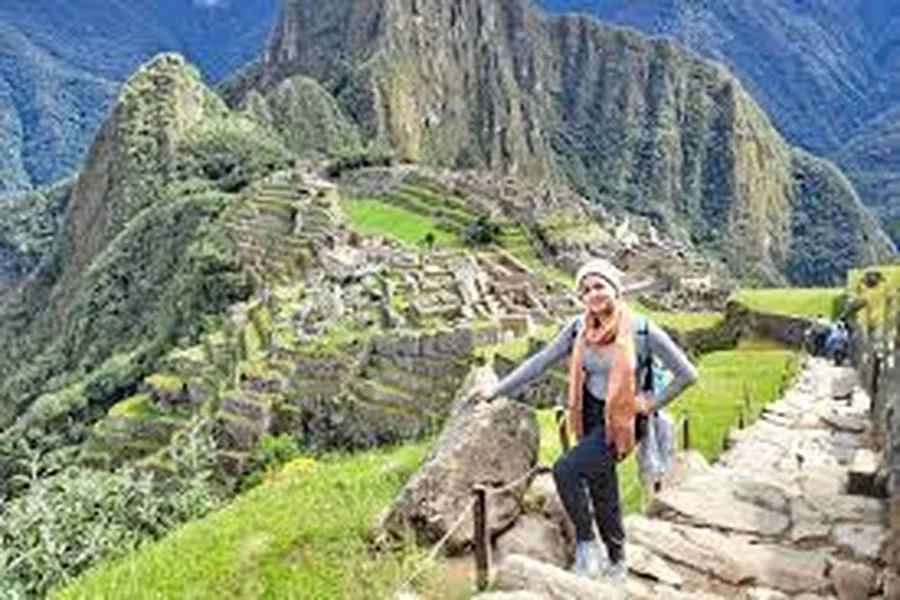
Cultural Travel has become one of the most rewarding ways to experience the world. While many travelers seek beautiful landscapes and popular attractions, cultural journeys offer something deeper: the opportunity to connect with local communities, understand traditions, and gain insight into different ways of life. Through meaningful interactions and immersive experiences, travelers can develop a greater appreciation for the diversity that exists across the globe.
Unlike vacations focused solely on relaxation or entertainment, cultural tourism encourages learning and personal growth. It allows individuals to experience local customs, languages, festivals, cuisine, architecture, music, and history firsthand. These experiences often leave a lasting impression because they provide a deeper understanding of the people and places being visited.
As international travel becomes more accessible, many travelers are increasingly interested in authentic experiences rather than simply checking destinations off a list. Cultural travel meets this demand by offering opportunities to engage with local heritage while creating memorable and meaningful adventures, while readers interested in travel insights and lifestyle content can also find useful resources at newspaperfit com
Understanding the Value of Cultural Travel
One of the greatest benefits of cultural travel is the opportunity to learn directly from the communities being visited. Books, documentaries, and online resources can provide information, but experiencing a culture in person creates a much deeper connection.
Travelers often gain a broader perspective on the world by observing how people live, work, celebrate, and interact in different societies. Exposure to diverse customs and traditions can challenge assumptions, encourage empathy, and promote greater cultural awareness.
Historical understanding is another important advantage. Visiting ancient sites, museums, monuments, and heritage locations helps travelers connect with significant events and civilizations that have shaped the modern world. These experiences often make history more engaging and meaningful than simply reading about it.
Cultural travel also supports personal development. Navigating unfamiliar environments, communicating across language barriers, and adapting to different customs can build confidence, flexibility, and problem-solving skills.
In addition, cultural tourism contributes to the preservation of traditions and heritage. Responsible travelers who support local businesses, artisans, and cultural institutions help sustain communities and protect valuable cultural resources for future generations.
By combining education, adventure, and human connection, cultural travel provides benefits that extend far beyond the duration of a trip.
Experiencing Local Traditions and Customs
One of the most memorable aspects of cultural travel is the opportunity to participate in local traditions and customs. Every region has unique practices that reflect its history, values, and identity.
Festivals are often among the best ways to experience local culture. Celebrations featuring music, dance, costumes, and traditional ceremonies provide insight into community life and cultural heritage. Attending these events allows travelers to witness customs that may have been passed down through generations.
Religious and spiritual traditions can also offer valuable learning opportunities. Visiting temples, churches, mosques, shrines, and other sacred sites helps travelers understand the beliefs and practices that shape local communities. Respectful participation and observation can create meaningful cultural experiences.
Daily life provides another important window into local culture. Visiting markets, observing traditional crafts, and spending time in neighborhoods often reveal aspects of a destination that are not visible in major tourist attractions.
Language is another significant cultural element. While fluency is not necessary, learning a few basic phrases demonstrates respect and can help create positive interactions with local residents. Even simple greetings can contribute to more authentic connections.
By embracing local customs with curiosity and respect, travelers can develop a deeper appreciation for the cultures they encounter.
The Role of Food in Cultural Travel
Food is one of the most accessible and enjoyable ways to experience culture. Local cuisine reflects geography, history, traditions, and community values, making it an essential part of any cultural journey.
Trying regional dishes allows travelers to experience flavors and ingredients that may be unfamiliar. Traditional recipes often tell stories about a region’s agricultural practices, trade relationships, and historical influences.
Local markets are excellent places to experience authentic food culture. Fresh produce, spices, street food, and handmade products provide insight into everyday life while allowing visitors to interact with local vendors.
Cooking classes have become increasingly popular among cultural travelers. Learning how to prepare traditional dishes offers a hands-on experience that combines education with enjoyment. These activities often provide opportunities to learn directly from local chefs and home cooks.
Dining customs can also reveal important cultural values. The way meals are prepared, served, and shared often reflects family traditions, hospitality practices, and social norms. Observing and participating in these customs helps travelers gain a deeper understanding of local lifestyles.
Food creates opportunities for connection and conversation, making it one of the most powerful tools for cultural exchange during travel.
Visiting Historical and Artistic Landmarks
History and art play central roles in cultural tourism. They provide valuable insight into the achievements, beliefs, and experiences of past generations while helping travelers understand the identity of modern communities.
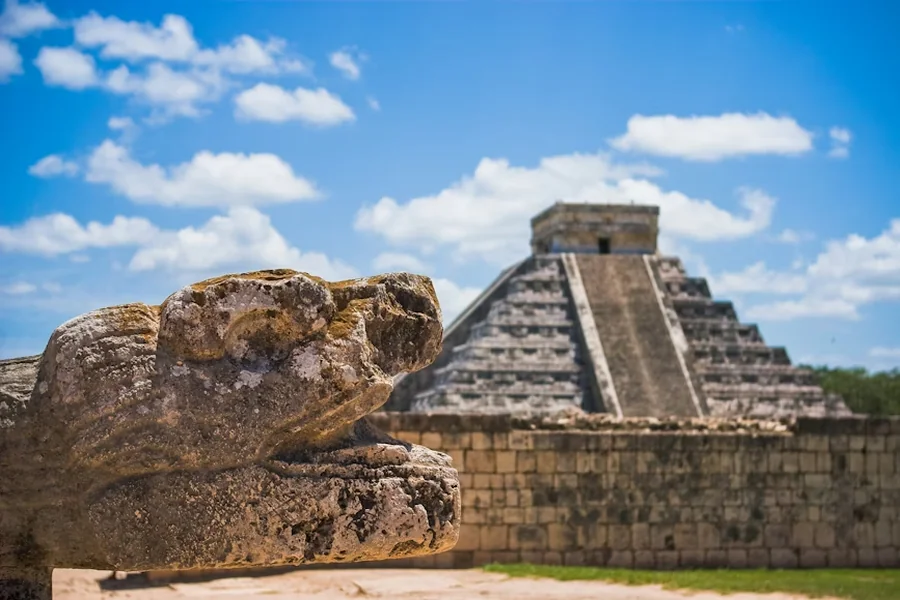
Historical landmarks often serve as symbols of cultural heritage. Castles, ancient ruins, historic districts, monuments, and archaeological sites offer opportunities to learn about important events and civilizations. Walking through these locations can bring history to life in a way that textbooks cannot.
Museums are another valuable resource for cultural travelers. They preserve artifacts, documents, and works of art that help tell the story of a region’s development. Many museums also provide educational programs and guided tours that enrich the visitor experience.
Artistic expression offers another window into culture. Paintings, sculptures, music, theater, and dance often reflect social values, historical events, and community identity. Attending cultural performances allows travelers to experience creative traditions firsthand.
Architecture can also reveal significant cultural influences. Buildings often reflect historical periods, religious beliefs, environmental conditions, and artistic preferences. Observing architectural styles helps travelers understand how societies have evolved over time.
These cultural landmarks preserve important aspects of human history while providing memorable and educational experiences for visitors.
Responsible Cultural Travel Practices
As cultural tourism grows in popularity, responsible travel has become increasingly important. Travelers have a responsibility to respect the communities and traditions they encounter.
Respecting local customs is one of the most fundamental principles of responsible travel. Understanding appropriate behavior, dress codes, and social norms helps ensure positive interactions with residents and cultural institutions.
Supporting local businesses contributes directly to community well-being. Purchasing handmade products, dining at local restaurants, and using locally owned accommodations help ensure that tourism benefits residents rather than only large corporations.
Environmental responsibility is also important. Protecting cultural and natural sites helps preserve them for future generations. Travelers should follow guidelines, avoid littering, and respect restricted areas.
Photography should be approached thoughtfully. In some cultures, taking photographs of people, religious ceremonies, or sacred sites may require permission. Being considerate demonstrates respect for local traditions and privacy.
Open-mindedness is another essential quality. Cultural differences should be approached with curiosity rather than judgment. A willingness to learn and adapt often leads to more meaningful and rewarding experiences.
Responsible travel strengthens cultural exchange while helping preserve the authenticity and integrity of destinations.
Final Thought
Cultural Travel offers far more than sightseeing. It provides opportunities to connect with people, understand traditions, learn about history, and experience the richness of human diversity. Through meaningful interactions and immersive experiences, travelers gain valuable insights that can broaden perspectives and create lasting memories.
Whether participating in local festivals, enjoying traditional cuisine, visiting historical landmarks, or engaging with community life, cultural travel encourages deeper connections with the world. By approaching each destination with respect, curiosity, and appreciation, travelers can enjoy enriching experiences while supporting the preservation of cultural heritage. In a world that is increasingly interconnected, cultural travel remains one of the most rewarding ways to learn, grow, and build understanding across different societies.
FAQs
What is cultural travel?
Cultural travel involves visiting destinations to experience local traditions, history, art, cuisine, customs, and ways of life.
Why is cultural travel important?
It promotes cultural understanding, personal growth, education, and meaningful connections with local communities.
What activities are included in cultural travel?
Activities may include visiting museums, attending festivals, trying local food, exploring historical sites, and participating in cultural events.
How can I travel respectfully in different cultures?
You can travel respectfully by learning local customs, following cultural guidelines, supporting local businesses, and showing consideration for residents.
Why is food important in cultural travel?
Food reflects a region’s history, traditions, and lifestyle, making it an important way to experience local culture.
Can cultural travel benefit local communities?
Yes. Responsible cultural tourism can support local economies, preserve traditions, and create opportunities for community development.
Is cultural travel suitable for families?
Yes. Cultural travel provides educational and enriching experiences that can be enjoyable and valuable for travelers of all ages.


Post Comment
You must be logged in to post a comment.