The Most Overlooked Causes Of Slip And Fall Injuries
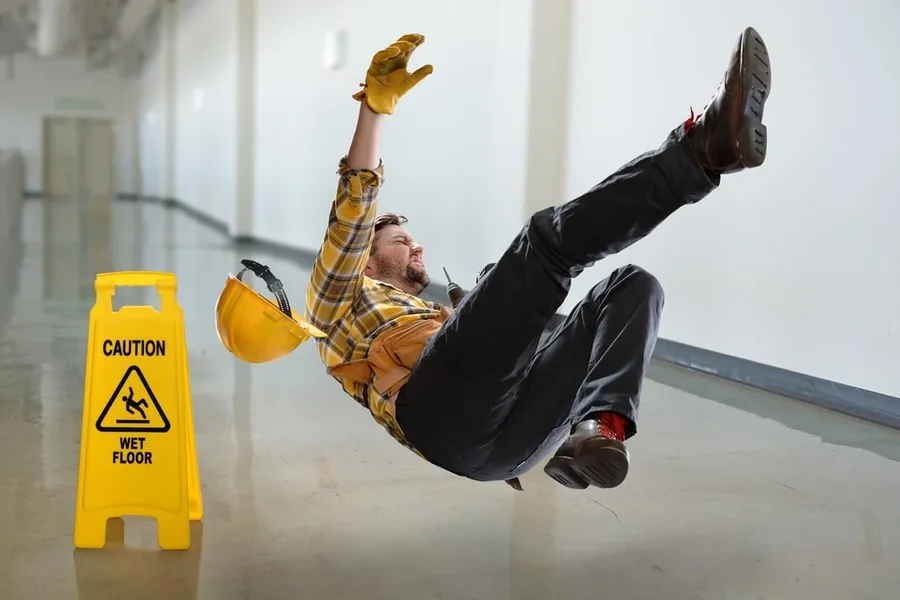
You might still be replaying the moment in your head. One second you were walking like you have a thousand times before, then in a blink you were on the ground, shocked, embarrassed, and now in pain. Maybe people rushed over and said, “It was just an accident,” yet you are the one lying awake at night worrying about medical bills, missed work, and whether this pain will ever truly go away. Visit https://phillyslipandfallguys.com/ to learn more about your options.
If you feel confused about how something as simple as walking across a floor could change so much, you are not alone. Slip and fall injuries rarely feel simple once the dust settles. They affect your body, your income, and your peace of mind. The short version is this. Many falls are not “just bad luck.” They often come from hidden hazards that property owners should have prevented, and you may have more rights and options than you think.
So where does that leave you right now. It starts with understanding the most overlooked causes of slip and fall accidents, because when you can name what happened to you, it becomes easier to decide what to do next.
Why do so many “ordinary” places cause serious falls?
When people think about slip and fall injuries, they picture obvious problems. A big puddle on the grocery store floor. A patch of ice on a sidewalk. Torn carpet in a hallway. Those hazards matter, but many serious injuries come from risks that are far less obvious, and that is exactly why they get missed until someone is hurt.
According to the National Institute for Occupational Safety and Health, falls are a leading cause of injury, especially at work. You can see that in their public information on fall risks and prevention. Yet even with this knowledge, businesses and property owners often overlook everyday conditions that quietly set people up to fall.
Here are some of those hidden causes that might sound very familiar once you think about the place where you fell.
What hidden hazards often lead to slip and fall injuries?
One of the most frustrating parts of a fall is the way people brush it off. They might say “You must not have been watching where you were going.” That stings, especially when you know something about that floor or walkway did not feel right. Many hazards are subtle, but they still create serious risk.
Consider these commonly ignored causes of slip and trip accidents.
- Poor lighting that hides danger
Dim stairwells, burned out bulbs in parking lots, and shadowy corners in hallways are all common. When lighting is weak, you cannot see changes in floor level, spilled liquids, or clutter on the ground. You are not being careless. You are walking blind in an area that should have been safely lit.
Imagine walking down a stairwell in an apartment building. The light above the landing has been out for weeks. You miss a step because you cannot see the edge clearly, your foot twists, and you go down hard. That is not clumsiness. That is a preventable hazard.
- Changes in flooring that catch your foot
Many properties have different flooring materials that meet in doorways or hallways. Tile to carpet. Wood to vinyl. These transitions often create small height differences or raised edges. When they are not leveled or clearly marked, they turn into perfect tripping points.
You might remember your foot catching on a barely raised strip between two rooms, or sliding as you stepped from dry carpet onto a slick tile entry area. That tiny change can lead to a big fall.
- “Clean” but slippery floors
Floors can look spotless and still be unsafe. Freshly mopped tile, polished concrete, or waxed floors can be extremely slick, especially if no warning signs are placed or if the wrong cleaning products are used. The Centers for Disease Control and Prevention has warned that floor surface and contaminants are key factors in falls at work, as described in their guidance on fall prevention.
If you fell and later heard, “We just cleaned that area,” that is a red flag. Cleaning is not an excuse for making a floor unsafe and failing to warn people walking through.
- Loose rugs, mats, and cables
Entrance mats that curl at the corners, small rugs without non slip backing, and cords stretched across walkways are all common causes of trips. These items are easy to fix yet often ignored. When your toe catches a raised mat or your heel hooks a cable, you can go down before you even realize what happened.
- Worn or uneven steps
Stairs deserve more attention than they get. Uneven riser height, worn treads, broken edges, or missing handrails all increase the chance of a fall. Over time, steps can become slick from wear or damaged from heavy use. That slow damage is easy for owners to ignore, yet the risk to you is immediate.
- Lack of handrails or unsafe grab points
You expect to be able to steady yourself on stairs, ramps, and changes in level. When handrails are missing, loose, or placed at the wrong height, they can fail you at the very moment you need them. That is especially dangerous for older adults or anyone with balance issues.
- Clutter and poor housekeeping
Boxes in aisles, tools left on the floor, overflowing trash, and inventory stacked in walkways are all examples of bad housekeeping. In workplaces, NIOSH has highlighted housekeeping and floor conditions as major contributors to falls, as seen in their research on slip, trip, and fall incidents. In stores or apartment buildings, the same habits create the same risks.
Maybe you tripped over a box that had been sitting in a hallway “just for a moment” or stumbled on stray merchandise in a store aisle. Those are not random accidents. They are signs of poor care.
- Weather that is not managed
Rain and snow happen. What matters is how property owners respond. Wet entryways without mats, snow not cleared from walkways, or ice not treated with salt all turn normal paths into danger zones. Even if the weather caused the moisture, the owner still has a duty to take reasonable steps to protect people from slipping.
So if your fall happened near a doorway on a rainy day, on a slick sidewalk after snow, or in a parking lot with visible ice, it is worth asking whether enough was done to keep you safe.
How do these hidden causes affect your legal and financial situation?
After a fall, you might be facing medical visits, physical therapy, or even surgery. You might be missing work. The bills keep coming. At the same time, the property owner or insurance company may be suggesting that you were at fault, or that your injury is “not that serious.” That combination can leave you feeling angry and powerless.
The truth is that many slip and fall injury claims fail not because the person was careless, but because the real cause of the fall was never fully investigated or explained. If the hazard is treated as “just bad luck,” then the responsibility quietly shifts onto you.
A careful review of the scene, maintenance records, lighting, cleaning practices, and prior complaints often tells a very different story. That is where a personal injury lawyer can be important. They know what questions to ask, what evidence matters, and how to show that the hazard was not only present, but also preventable.
Because of this tension, you might wonder whether you should try to handle everything on your own or get professional help.
Should you handle a slip and fall claim alone or get help?
You always have the choice to manage things yourself. The question is what gives you the best chance of being treated fairly while you focus on healing. The table below lays out some practical differences between going it alone and working with a personal injury lawyer on a fall case.
| Issue | Handling It Yourself | With a Personal Injury Lawyer |
|---|---|---|
| Finding the true cause of the fall | Rely on your memory and what the property owner tells you. Important hazards may be missed. | Investigation of lighting, cleaning logs, photos, witness statements, and property records to identify overlooked causes. |
| Dealing with insurance companies | Communicate directly. Risk saying things that get used against you or accepting a low offer. | Lawyer speaks for you, pushes back on blame, and evaluates whether offers reflect your real losses. |
| Understanding safety rules and standards | May not know building codes, industry standards, or OSHA guidance on safe floors and walkways. | Use safety standards and guidance, such as OSHA’s fall prevention materials, to show what the owner should have done. |
| Valuing your claim | Focus mainly on current bills. Risk ignoring future treatment, lost income, and long term pain. | Consider medical needs, future care, lost earning capacity, and impact on daily life. |
| Time and stress | Handle paperwork, calls, and deadlines while trying to recover physically and emotionally. | Much of the legal and insurance burden is taken off your shoulders so you can focus on healing. |
There is no single right answer for everyone, but understanding the tradeoffs makes it easier to choose the path that fits your situation and your stress level.
What can you do right now to protect yourself?
You might feel like the fall already happened and nothing can change that. While that is true, what you do next can shape your recovery and your options. Here are some concrete steps you can take, starting today.
- Document everything you can remember and see
Write down your memory of the fall while it is still fresh. Include where you were walking, what the lighting was like, whether the floor felt wet or uneven, and anything people said right after it happened.
If you can safely return to the location, take photos or video of the area from different angles. Capture lighting, floor transitions, mats, steps, and any clutter. If you cannot return, ask a trusted person to help. Save any shoes or clothing you wore. Do not wash or throw them away. They may help show what caused you to slip.
- Prioritize medical care and follow up
Even if you tried to shrug it off at first, see a doctor as soon as you can. Some injuries, like head trauma, back problems, or soft tissue damage, may not show full symptoms right away. Explain that you fell and describe how you landed. Follow through with recommended tests and therapy.
Keep copies of medical records, prescriptions, and receipts. These are important for your health and also for any future claim. Consistent care helps connect your injuries to the fall, which insurance companies often try to dispute.
- Talk with a personal injury lawyer before you sign anything
Property owners and insurers may reach out quickly, asking for statements or offering a small settlement. It can be tempting to accept, especially when you are worried about money. Try to pause before signing or recording anything.
A conversation with a personal injury lawyer can help you understand whether the offer is fair and what rights you have. Many lawyers review cases at no upfront cost. Even if you decide not to move forward, you will at least know where you stand and what risks you would be taking by handling it alone.
Finding a way forward after a slip and fall
A fall can make you feel unsteady in more ways than one. Your body hurts. Your routine is disrupted. People around you might not fully understand why you are still struggling. When the cause of your fall is brushed off as “just an accident,” it can leave you feeling invisible.
Understanding the most overlooked causes of slip and fall injuries gives you language for what happened. Poor lighting, unsafe flooring, clutter, bad housekeeping, and ignored weather hazards are not just background details. They are choices and conditions that can create real harm.
You do not have to carry the burden alone. Support is available, both medically and legally. By taking a few careful steps now, you give yourself a better chance at healing fully and being treated fairly. You deserve the time, care, and respect it takes to get there.



Post Comment
You must be logged in to post a comment.