Wildlife Adventure In Nature: A Journey Into The Wild
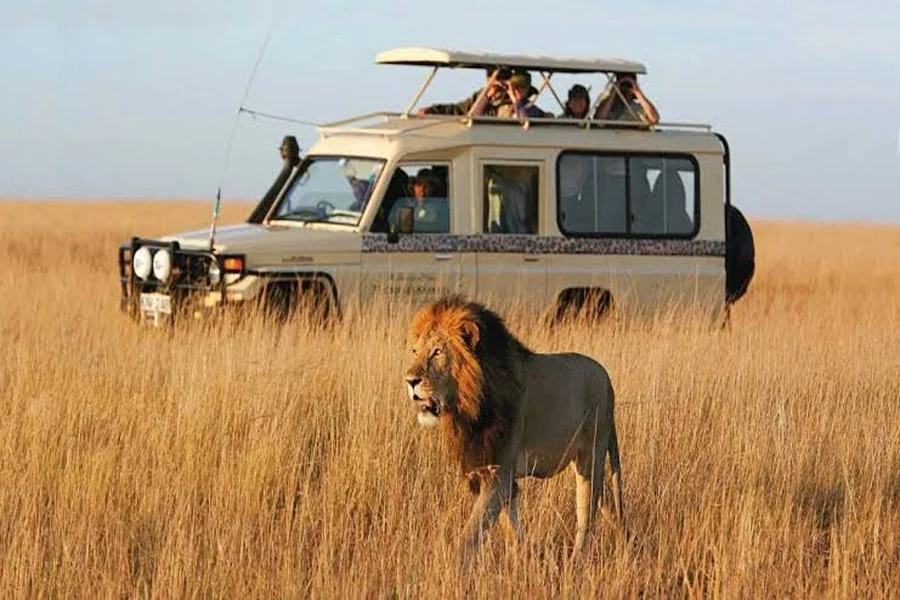
The Excitement Of Wildlife Adventure In Nature
A Wildlife Adventure In Nature can be an unforgettable way to experience the beauty and diversity of the natural world. Instead of seeing animals only through photographs or videos, people can observe them in environments where they naturally live. Forests, wetlands, grasslands, mountains, and coastal areas can all provide opportunities to witness fascinating wildlife behavior.
A natural adventure does not always require a long journey. Even a visit to a nearby nature reserve can reveal interesting animal activity. Resources such as natureanimalhub can also provide useful information about wildlife, animal behavior, and natural habitats before heading outdoors.
The most rewarding experiences often come from slowing down and paying attention. A distant bird call, animal tracks on a trail, movement in the bushes, or a group of animals feeding can turn an ordinary outdoor trip into a memorable experience.
Exploring Different Wildlife Habitats
Every habitat offers a different wildlife experience. Forests are filled with trees, dense vegetation, and numerous layers where animals can live. Visitors may encounter birds in the canopy, mammals on the forest floor, and insects among fallen leaves.
Wetlands and rivers provide another type of adventure. These environments attract fish, frogs, water birds, reptiles, and mammals that depend on water for survival. Watching animals interact around a water source can reveal how important these habitats are.
Grasslands offer wide views and opportunities to observe animals from a distance. Herds of grazing mammals may move across open areas while predators remain hidden nearby. Mountain environments, meanwhile, can provide sightings of animals specially adapted to rocky terrain and changing temperatures.
Observing Animals In Their Natural Environment
Wildlife observation requires patience. Animals may hide when they sense people nearby, and some species are naturally active only at certain times. Moving quietly and spending time in one location can increase the chances of noticing natural behavior.
Binoculars can be useful for observing animals without approaching them. A camera with a suitable zoom lens can also help capture distant scenes while keeping a respectful distance.
It is important to remember that wildlife should never be disturbed for a better view or photograph. Avoiding loud noises, sudden movements, feeding, and attempts to touch animals allows them to continue their normal activities.
Memorable Wildlife Activities
A wildlife adventure can include many different activities. Guided nature walks are a popular option because experienced guides can identify tracks, calls, plants, and animal behavior that visitors might otherwise miss.
Birdwatching is another rewarding activity. Different habitats attract different bird species, and early morning walks can provide opportunities to hear and observe a wide variety of calls.
Wildlife photography can also turn an outdoor trip into a creative experience. Instead of focusing only on rare animals, photographers can capture everyday behaviors such as feeding, resting, flying, grooming, and caring for young.
Nighttime wildlife observation offers a completely different experience in areas where it is permitted and safely managed. Nocturnal animals, insects, and birds can become active after sunset, revealing another side of an ecosystem.
Preparing For A Nature Adventure
Good preparation can make a wildlife trip safer and more enjoyable. Comfortable clothing, suitable footwear, drinking water, sun protection, and basic first-aid supplies are useful for many outdoor environments.
Learning about the destination before visiting is equally important. Understanding local weather, terrain, wildlife species, and park regulations helps visitors make responsible decisions.
It is also wise to follow marked trails and instructions from park authorities or guides. Some animals can be dangerous when approached too closely, particularly when they are protecting young or feeding. Keeping an appropriate distance protects both people and wildlife.
Respecting Nature During The Journey
A responsible wildlife adventure should leave the environment as undisturbed as possible. Visitors should carry their waste with them, avoid damaging plants, and never remove natural objects from protected areas when regulations prohibit it.
Noise can also affect wildlife. Speaking quietly and avoiding unnecessary disturbances can make it easier to observe animals while reducing stress for them.
Responsible tourism supports conservation when visitors respect local rules and contribute to activities that protect natural areas. Choosing ethical wildlife experiences helps ensure that tourism does not come at the expense of animal welfare.
Final Thought
Wildlife Adventure In Nature combines outdoor exploration with opportunities to learn about animals and their habitats. From quiet forest walks to observing birds near wetlands, every environment can offer something different.
The most meaningful adventures are not necessarily the most dramatic ones. Simply watching an animal behave naturally, listening to birds in the morning, or noticing signs of wildlife along a trail can create lasting memories. By preparing carefully and respecting nature, people can enjoy these experiences while helping protect the wild places that make them possible.
FAQs
What is a Wildlife Adventure In Nature?
It is an outdoor experience focused on observing animals, habitats, and natural environments while learning about wildlife and ecosystems.
Where can people experience wildlife adventures?
Wildlife adventures can take place in forests, national parks, wetlands, grasslands, mountains, coastal areas, and other natural habitats.
What should I bring on a wildlife adventure?
Useful items may include comfortable footwear, water, weather-appropriate clothing, binoculars, a camera, sun protection, and basic safety supplies.
How can I observe wildlife without disturbing it?
Maintain a safe distance, remain quiet, avoid feeding animals, stay on designated paths, and follow local wildlife guidelines.
Why is responsible wildlife tourism important?
Responsible tourism reduces disturbance to animals and habitats while encouraging greater appreciation and support for conservation.



Post Comment
You must be logged in to post a comment.