7 Mistakes To Avoid After A DUI Arrest In North Carolina
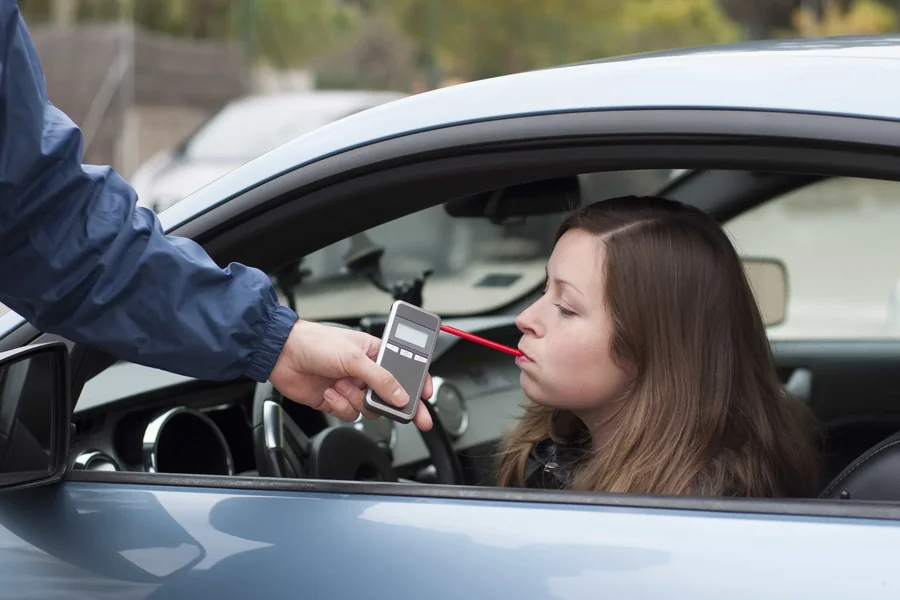
You might be staring at paperwork from the police, a court date circled on your calendar, and a knot in your stomach that will not go away. One moment you were driving, the next you were in handcuffs, and now it feels like everything in your life is under a microscope. You may be scared about your license, your job, your family, and what this means for your future, and wondering whether a local DUI attorney can help you.
If you are honest, you might also be replaying the night in your head and wondering what you should have done differently. That kind of second-guessing is normal, but it does not help you move forward. What matters now is what you do after the arrest. This is where many people make avoidable mistakes that quietly make their situation worse.
The short version is this. After a DUI arrest in North Carolina, the choices you make in the first days and weeks can affect your license, your criminal record, your money, and even your freedom. Avoiding seven common mistakes can protect your options, reduce damage, and give a criminal defense lawyer more room to help you.
Why does a DUI arrest feel so overwhelming, and what is really at stake?
A driving while impaired charge in North Carolina is not just “another ticket.” It carries criminal penalties, license consequences, and long-term ripple effects. You might be facing fines, possible jail time, probation, community service, alcohol education, and a record that employers and landlords can see.
On top of that, there is the emotional side. Maybe you are ashamed to tell your family. Maybe you are worried your employer will find out. You might feel judged, even if no one has said a word to you yet. Because of that pressure, people rush, ignore deadlines, or try to forget about the case until the last minute. That is where trouble starts.
So, where does that leave you? It helps to look at the most common mistakes people make after a DUI charge in North Carolina, and how you can avoid them.
1. Ignoring the license and DMV issues after your arrest
Many people focus only on the criminal court date and forget that the DMV has its own timeline. After a DUI arrest, your license may be revoked for a period of time, sometimes starting right away. If you miss the chance to challenge or shorten that revocation, you might be stuck without a license longer than necessary.
For example, someone might assume they can just “show up to court and fix it there.” Then they find out they could have requested limited driving privileges earlier but missed the window. That can mean weeks or months of struggling to get to work, school, or medical appointments.
The solution is to pay attention to every notice you receive and understand the difference between your court case and your DMV status. A criminal defense lawyer who handles DUI cases can explain what deadlines apply and whether you can seek limited driving privileges.
2. Treating the charge like a simple traffic ticket
It is easy to think, “I will just go to court, plead guilty, and move on.” The problem is that driving while impaired in North Carolina is a criminal offense, not just a traffic citation. A quick guilty plea might feel like ripping off a bandage, but it can leave a permanent mark on your record.
That record can affect job applications, professional licenses, background checks, and even future court cases. Some people only realize this years later when they are asked, “Have you ever been convicted of a crime?” and they have to check “yes” because of that one rushed decision.
Instead of treating it casually, treat it like the serious legal matter it is. Ask questions. Learn what the state has to prove. Consider whether there are defenses or ways to reduce the impact.
3. Not getting legal help early enough
Because money is tight or pride gets in the way, some people wait until the last minute to look for a criminal defense lawyer, or they try to handle everything on their own. By the time they reach out, evidence may be harder to challenge, witnesses may be harder to find, and some opportunities may have passed.
Imagine showing up to court and realizing for the first time that there were issues with how the stop was handled or how the breath test was administered, issues you never explored because you did not ask anyone with experience. That is a painful “what if.”
Reaching out early does not mean you are admitting guilt. It means you are taking your situation seriously and giving yourself a chance to understand your options before they disappear.
4. Ignoring alcohol or substance use concerns
Even if this is your first DUI arrest, it can be a wake-up call. Some people respond by pretending it was just bad luck. They do not look at whether alcohol or other substances are starting to cause problems in other areas of life.
Court systems in North Carolina often look more favorably on people who take responsibility and seek help when needed. Getting a substance use assessment or starting counseling can support your health and may also matter in how your case is viewed.
The North Carolina Department of Health and Human Services provides information about driving while impaired services and support. Exploring those resources early shows that you are not just waiting for the court to act. You are working on yourself.
5. Missing out on alcohol education or treatment programs
Many people do not realize that alcohol education or treatment can affect both their driving privileges and how their case is resolved. They wait until the court orders something, instead of getting ahead of it.
North Carolina has approved Alcohol and Drug Education Traffic Schools that can be part of restoring your license and demonstrating that you take the situation seriously. You can find more information about these programs through the state’s alcohol and drug education training school resources.
Starting a program sooner rather than later can reduce stress and sometimes improve the outcome in court. It also gives you structure and support during a time when you may feel lost.
6. Talking too freely about your case
After an arrest, you might feel the urge to explain yourself to everyone. You might talk to friends, coworkers, or even post about it on social media. It feels like venting, but every word can end up in the wrong hands or taken out of context.
There is also the risk of talking to law enforcement or others without fully understanding your rights. People sometimes share details that hurt their defense because they believe honesty will make the problem go away. Honesty matters, but it needs to be directed to the right person, at the right time, in the right way.
The safer path is to keep conversations about the details of your case private and speak openly only with your attorney. That way you can be honest without accidentally hurting yourself.
7. Assuming your situation is hopeless
One of the quieter mistakes is simply giving up. You might think the breath test result is the end of the story, or that a prior record means you have no chance to improve the outcome. When people feel hopeless, they stop trying, stop asking questions, and accept whatever happens.
In reality, DUI cases are full of details. How the stop occurred. How the officer handled the field tests. Whether the testing equipment was maintained and used correctly. Whether procedures were followed. Even when the state has strong evidence, there may be ways to reduce penalties, protect your license, or plan for a better path forward.
Hope does not mean pretending everything is fine. It means recognizing that even in a hard situation, your choices still matter.
Should you handle a North Carolina DWI alone or with help?
When you are trying to decide how to move forward, you may wonder if you really need legal help or if you can just manage it yourself. Looking at the tradeoffs can bring some clarity.
| Approach | Short-term impact | Long-term risks | Typical experience |
|---|---|---|---|
| Handling a DUI case on your own | Lower immediate cost. You control all decisions. No professional guidance. | Higher chance of a harsh plea, missed defenses, longer license issues, and a record that could have been reduced or handled differently. | Confusing court process. Stress about what to say. Often only learns options after it is too late to use them. |
| Working with a criminal defense lawyer | Attorney fees to plan and manage the case. Clear explanation of options and deadlines. | Better chance to protect your record, seek reduced penalties, and use programs that can help your license and future. | Guided through each step. Someone to speak for you in court. More informed decisions and fewer surprises. |
This comparison is not about promising outcomes. It is about recognizing that a North Carolina DUI defense is complex, and having experienced help usually means fewer regrets later.
What can you do right now to protect yourself?
Even if your court date feels far away, there are meaningful steps you can take today.
1. Gather and organize everything related to your arrest
Collect your citation, any paperwork from the jail or magistrate, bond documents, and DMV notices. Write down your memory of what happened as soon as you can, including what you drank, when you drank, where you were stopped, what the officer said, and how the tests were done. Details fade quickly. Having them written down can be very helpful for your defense.
2. Explore assessments, education, or counseling
Consider scheduling a substance use assessment, even if no one has ordered it yet. Look into approved alcohol and drug education programs in North Carolina. This is not an admission of guilt. It is a sign that you take your health and your future seriously, and it may support a better outcome with both the court and the DMV.
3. Get legal advice before your first substantive court appearance
Reach out to a criminal defense lawyer who regularly handles DUI and DWI cases. Bring your paperwork and your written notes. Ask about possible defenses, license issues, and what you can start doing now to improve your situation. Even one informed conversation can change how you approach every step that follows.
Finding a path forward after a DUI arrest in North Carolina
A DUI charge can feel like your life has been reduced to one bad night and one case number, but you are more than that. You are a person with responsibilities, relationships, and plans that still matter. The goal now is not to pretend the arrest did not happen. The goal is to move through it in a way that protects your future as much as possible.
By avoiding these seven mistakes, staying engaged, and getting informed support, you give yourself the best chance to limit the damage and start rebuilding trust, stability, and peace of mind. You do not have to go through this alone, and you do not have to guess your way through a process that is already hard enough.
If you feel stuck or unsure, reach out for guidance from a trusted criminal defense lawyer in your area. A steady hand and clear advice can make this chapter something you move through, rather than something that defines you.



Post Comment
You must be logged in to post a comment.