Football Match Tactical Analysis for Winning Strategies
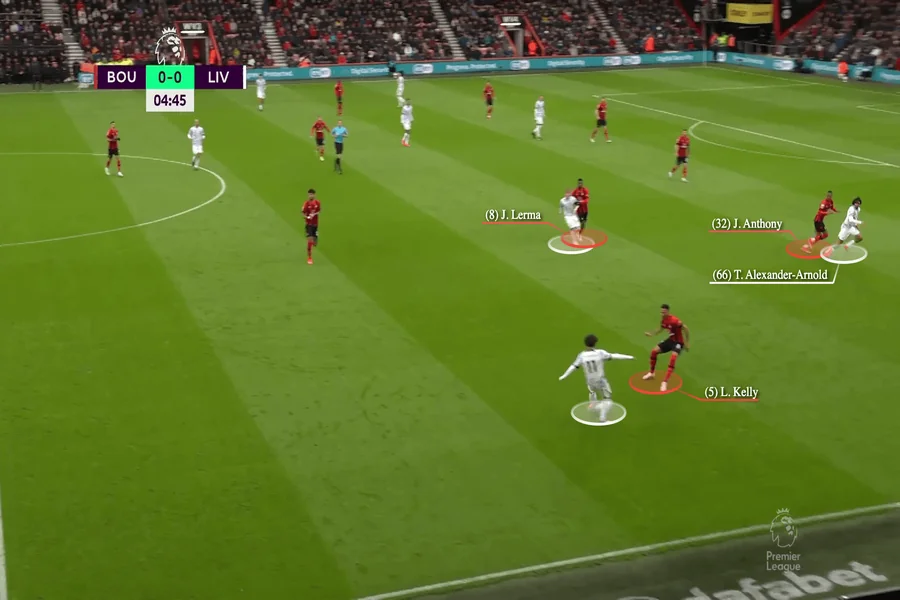
Football Match Tactical Analysis helps coaches, players, and fans understand how teams perform during competitive games. Football is not only about individual talent or physical ability. Successful teams rely on planning, formations, decision-making, and tactical adjustments throughout a match.
Tactical analysis studies different aspects of the game, including attacking movements, defensive structures, player positioning, and team strategies. By examining these elements, it becomes easier to understand why certain teams succeed and how coaches make important decisions.
Modern football has become more strategic than ever. Teams use detailed analysis to improve performance, identify weaknesses, and create effective plans against opponents.
Understanding the Basics of Football Tactics
Football tactics describe how players organize themselves during different moments of a match. A team’s tactical approach influences attacking opportunities, defensive stability, and overall control.
Key tactical elements include:
- Team formation.
- Player positioning.
- Passing patterns.
- Defensive organization.
- Attacking movements.
A good tactical system allows players to understand their responsibilities clearly. Every position has a specific role that contributes to the team’s overall performance.
For example, defenders focus on maintaining structure, midfielders control possession, and attackers create scoring opportunities.
Analyzing Team Formations and Playing Styles
Formations are one of the most important parts of football strategy. Coaches select formations based on player abilities, opponents, and match situations.
Common Football Formations
Popular formations include:
4-4-2 Formation:
This traditional system provides balance between defense and attack. It uses four defenders, four midfielders, and two forwards.
4-3-3 Formation:
This attacking formation focuses on wide play, possession, and creating opportunities through the wings.
3-5-2 Formation:
This system provides additional midfield control while allowing flexibility in attack and defense.
Each formation has strengths and weaknesses depending on how players execute the strategy.
Understanding Playing Styles
Teams may use different approaches, such as:
- Possession-based football.
- Counter-attacking football.
- High pressing.
- Defensive organization.
A successful tactical plan matches the team’s strengths with the challenges of the opponent.
Studying Attacking and Defensive Strategies
A complete tactical review requires analyzing both attacking and defensive phases.
Attacking Analysis
Attacking tactics focus on creating scoring opportunities.
Important factors include:
- Passing combinations.
- Player movement.
- Space creation.
- Finishing ability.
Teams often create advantages by moving defenders out of position and exploiting open spaces.
Effective attacking teams usually have clear movement patterns and strong communication between players.
Defensive Analysis
Defensive tactics focus on stopping opponents from creating chances.
Key defensive elements include:
- Defensive positioning.
- Pressing intensity.
- Marking strategies.
- Team shape.
A strong defensive system requires teamwork and discipline. Individual mistakes can affect the entire structure.
The Role of Player Performance in Tactical Analysis
Players are the foundation of every tactical system. Even the best strategy depends on how well players perform their roles.
Analysts often evaluate:
- Passing accuracy.
- Movement patterns.
- Defensive contributions.
- Decision-making.
- Physical performance.
A midfielder’s ability to control the game can influence the entire match. Similarly, attackers must understand positioning and timing to create successful opportunities.
Performance analysis helps teams identify strengths and areas that need improvement.
Using Data and Technology in Football Analysis
Technology has changed how football matches are studied. Coaches and analysts now use advanced tools to collect detailed information.
Modern analysis includes:
- Player tracking data.
- Heat maps.
- Passing statistics.
- Possession analysis.
- Video reviews.
These tools help teams understand patterns that may not be visible during live matches.
Data allows coaches to make more informed decisions about training, tactics, and player selection.
Football analysis is also connected with broader interests in sports discussions and personal inspiration. Many people enjoy sharing ideas, experiences, and motivational stories through platforms like blessingpeace to connect with others.
Tactical Adjustments During a Match
Great coaches are able to adapt their tactics during games. A match rarely follows the original plan perfectly.
Common tactical changes include:
Changing Formation
A coach may switch formations to increase attacking pressure or strengthen defense.
Adjusting Player Roles
Players may receive new instructions depending on the match situation.
Managing Game Tempo
Teams may slow down the game when protecting a lead or increase intensity when searching for goals.
Successful tactical adjustments often decide important matches.
Common Mistakes in Football Tactical Analysis
Analyzing football requires understanding the complete picture. Some common mistakes include:
Focusing Only on Goals
Goals are important, but they do not always represent the full performance.
Ignoring Team Structure
Individual performances should be viewed within the team system.
Overlooking Opponent Strategy
A team’s performance depends partly on how the opponent plays.
Relying Only on Statistics
Numbers are useful, but they must be combined with tactical understanding.
A balanced approach creates more accurate analysis.
Final Thought
Football Match Tactical Analysis provides valuable insights into team strategies, player roles, and match decisions. Understanding formations, attacking movements, defensive structures, and tactical changes helps fans and professionals appreciate the deeper side of football.
Modern football continues to evolve through technology, data, and innovative coaching methods. By studying tactical details, teams can improve performance and create more effective strategies for future matches.
FAQs
What is Football Match Tactical Analysis?
Football Match Tactical Analysis is the study of team strategies, formations, player movements, and decisions during football matches.
Why is tactical analysis important in football?
Tactical analysis helps teams understand strengths, weaknesses, and improve strategies for better performance.
What factors are studied in football analysis?
Analysts study formations, player positioning, passing patterns, defensive organization, and attacking movements.
How do coaches use tactical analysis?
Coaches use tactical analysis to prepare game plans, improve training, and make adjustments during matches.
How does technology help football analysis?
Technology provides data such as player tracking, statistics, and video analysis to support tactical decisions.
Can fans benefit from tactical analysis?
Yes, tactical analysis helps fans understand the strategic side of football and appreciate team performances.
What makes a good football tactic?
A good football tactic combines effective organization, player understanding, adaptability, and teamwork.



Post Comment
You must be logged in to post a comment.