Future of AI Technology and Its Global Impact
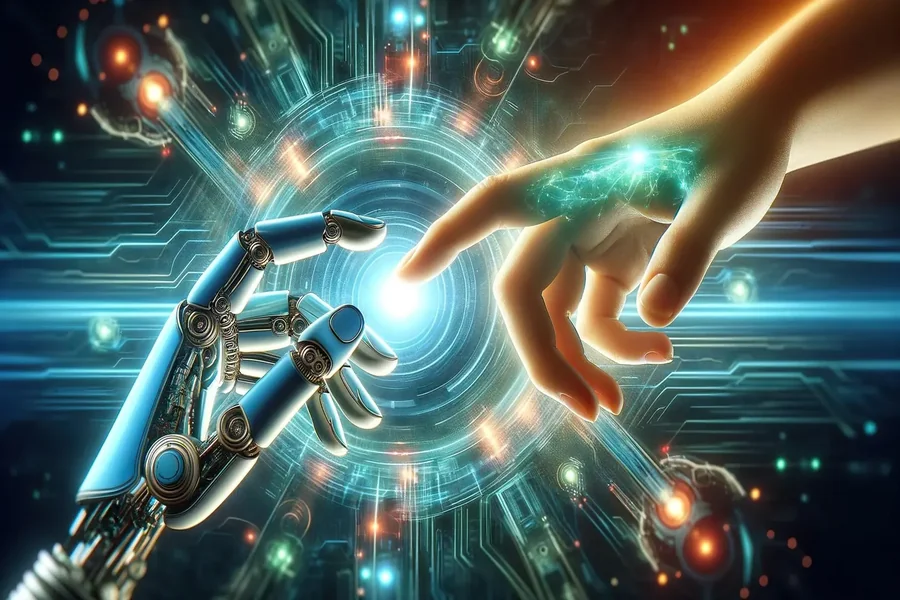
Future of AI Technology is expected to bring major changes across industries, businesses, and everyday life. Artificial intelligence has already transformed how people interact with digital services, analyze information, and automate tasks. As AI continues to improve, it will create new opportunities while also introducing important challenges related to security, ethics, and responsible use.
AI is moving beyond simple automation. Modern systems can understand language, recognize patterns, generate content, support decision-making, and assist professionals in complex fields. These capabilities are helping organizations improve efficiency and develop innovative solutions.
Businesses, researchers, and technology experts are focusing on how AI can be used responsibly to solve real-world problems. The future of artificial intelligence will depend on combining advanced technology with human creativity, careful planning, and strong governance.
For more technology-related information and digital resources, readers can also visit captionoracle.
Understanding upcoming AI developments can help individuals and organizations prepare for a future where intelligent systems become a larger part of daily activities.
AI Automation and Smarter Workplaces
Automation will remain one of the biggest influences on the future of artificial intelligence. AI-powered systems are helping organizations complete tasks faster, reduce errors, and improve productivity.
In workplaces, AI can assist with data analysis, scheduling, customer support, document processing, and many other routine activities. This allows employees to spend more time on creative thinking, problem-solving, and strategic responsibilities.
Future AI systems are expected to become more collaborative. Instead of replacing human workers completely, many AI solutions will work alongside employees by providing recommendations, insights, and assistance.
Different industries will benefit from AI automation in unique ways. Healthcare professionals may use AI for research and diagnosis support, while businesses may use it for forecasting and customer engagement.
However, successful workplace AI adoption requires proper training and planning. Organizations need to help employees understand how to use AI tools effectively while maintaining human oversight.
Advancements in Generative AI
Generative AI is one of the fastest-growing areas of artificial intelligence. These systems can create text, images, software code, audio, and other forms of digital content.
The continued development of generative AI is expected to improve creativity and productivity across many industries. Content creators, developers, designers, and businesses can use AI assistance to generate ideas and complete tasks more efficiently.
In software development, AI tools can help developers write code, identify errors, and improve applications. In marketing, AI can support content creation, customer communication, and campaign planning.
Despite its benefits, generative AI also requires responsible management. Issues such as accuracy, copyright, privacy, and misinformation need careful attention.
The future of generative AI will likely focus on creating systems that are more reliable, transparent, and useful for professional applications.
AI in Healthcare, Education, and Business
Artificial intelligence is expected to have a significant impact on important sectors such as healthcare, education, and business.
In healthcare, AI can support medical research, improve data analysis, and help professionals make better decisions. AI-powered systems may assist with identifying patterns in medical information and improving patient care.
Education is another area where AI can create new possibilities. Intelligent learning platforms can provide personalized lessons, adaptive feedback, and educational support based on individual needs.
Businesses are also using AI to improve customer experiences, optimize operations, and develop new products. AI-powered analytics can help companies understand market trends and make more informed decisions.
As AI becomes more advanced, these industries will continue to explore new ways to combine technology with human expertise.
Ethical AI and Security Challenges
The future development of AI must address important ethical and security concerns. As AI systems become more powerful, responsible usage becomes increasingly important.
Data privacy is one major concern. AI systems often require large amounts of information, and organizations must ensure that personal data is collected and used responsibly.
Bias in AI decision-making is another challenge. Developers need to create systems that provide fair and accurate results while reducing potential discrimination.
Cybersecurity is also becoming more important. AI can help detect threats, but it can also create new risks if misused.
Governments, businesses, and technology experts are working toward creating better standards for AI governance. Responsible development will be essential for building trust in future AI systems.
The Future Relationship Between Humans and AI
The future of AI technology will not only be about machines becoming more advanced. It will also focus on how humans and intelligent systems work together.
Human creativity, emotional intelligence, critical thinking, and decision-making skills will continue to play important roles. AI can provide support, but human judgment remains essential.
Future workplaces may involve greater collaboration between people and AI assistants. Professionals will use intelligent tools to improve productivity while focusing on tasks that require human abilities.
Education and skill development will become increasingly important. People will need to learn how to work with AI technologies and understand their benefits and limitations.
A balanced relationship between humans and AI can create new opportunities for innovation and growth.
Final Thought
Future of AI Technology will continue to influence how people work, communicate, learn, and solve problems. Artificial intelligence is creating new possibilities through automation, generative systems, advanced analytics, and intelligent decision support.
However, the success of AI will depend on responsible development, ethical practices, strong security, and effective collaboration between humans and machines.
Organizations and individuals that understand AI trends and prepare for future changes will be better positioned to benefit from this evolving technology. The future will not simply belong to AI, but to those who know how to use it wisely.
FAQs
What is the Future of AI Technology?
The Future of AI Technology refers to upcoming advancements in artificial intelligence that will improve automation, decision-making, and digital experiences.
How will AI change workplaces?
AI will help automate repetitive tasks, support employees, improve productivity, and create new ways of working.
What is generative AI?
Generative AI is a technology that creates digital content such as text, images, code, and other forms of information.
How will AI impact healthcare?
AI can support medical research, analyze health information, and assist professionals in improving patient care.
What are the challenges of future AI development?
Challenges include privacy concerns, security risks, AI bias, ethical issues, and responsible implementation.
Will AI replace human workers?
AI is more likely to support human workers by improving efficiency and assisting with tasks rather than completely replacing people.
Why is ethical AI important?
Ethical AI helps ensure that artificial intelligence is developed and used fairly, safely, and responsibly.



Post Comment
You must be logged in to post a comment.