HVAC Indoor Unit Repair Services: Expert Solutions for Comfort
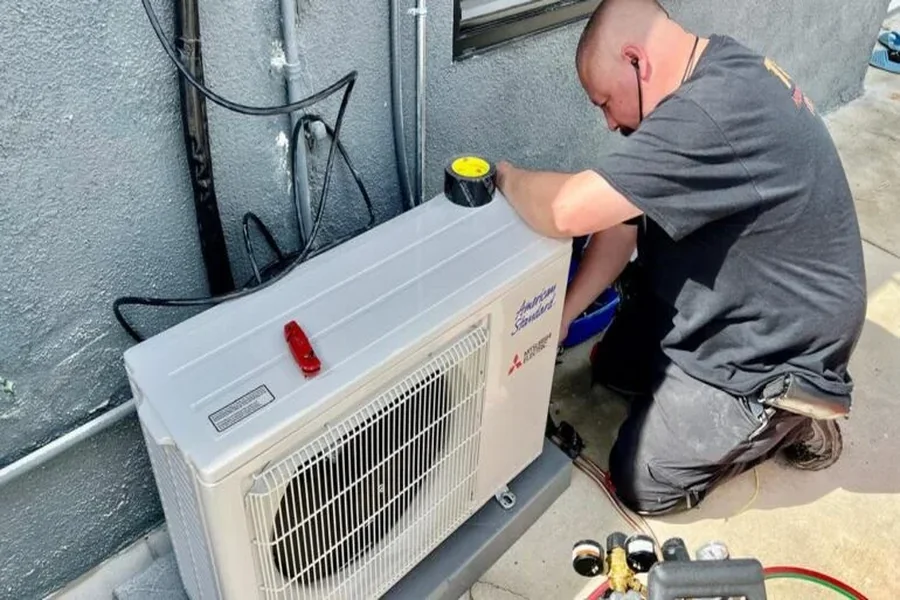
Understanding HVAC Indoor Unit Problems
HVAC Indoor Unit Repair Services play an important role in keeping homes and commercial spaces comfortable throughout the year. The indoor unit is a major part of an air conditioning system because it distributes cooled or heated air inside the building. When this component develops problems, it can affect temperature control, energy efficiency, and overall indoor comfort.
Many homeowners notice warning signs before a complete breakdown occurs. Weak airflow, unusual sounds, water leakage, unpleasant odors, and inconsistent cooling are common indications that an indoor unit needs professional attention. Ignoring these issues can lead to larger repairs and higher energy bills over time.
The indoor unit contains several essential components, including evaporator coils, blower fans, filters, drainage systems, and electrical connections. Each part works together to maintain proper airflow and temperature balance. If any component fails, the entire HVAC system may struggle to operate effectively.
Professional technicians offering HVAC repair solutions can identify the actual cause of the problem instead of only treating visible symptoms. A proper inspection helps determine whether the unit needs cleaning, part replacement, electrical repairs, or a more detailed service procedure.
Regular repair and maintenance also help extend the lifespan of HVAC equipment. A well-maintained indoor unit can perform more efficiently, reduce unnecessary energy consumption, and provide more consistent comfort for occupants.
Benefits of Professional Indoor Unit Repair
Hiring experienced professionals for indoor unit repair provides several advantages compared with attempting temporary fixes. HVAC systems include electrical components and complex mechanisms, so improper handling can create additional problems or safety concerns.
One of the biggest benefits of professional repair is accurate diagnosis. Technicians use specialized tools and knowledge to identify issues that may not be obvious to homeowners. For example, poor cooling may result from dirty coils, refrigerant problems, airflow restrictions, or damaged internal parts. Finding the correct cause ensures that repairs are effective and long-lasting.
Professional services also improve system efficiency. A damaged blower motor, clogged filter, or malfunctioning coil can force an HVAC system to work harder than necessary. Repairing these problems helps reduce energy waste and may lower monthly utility costs.
Another advantage is improved indoor air quality. Indoor units collect dust, dirt, and moisture over time. Without proper cleaning and maintenance, these contaminants can circulate throughout the living space. Professional servicing helps maintain cleaner airflow and a healthier indoor environment.
Expert repair services can also prevent expensive future damage. Small issues, such as minor leaks or unusual noises, can become serious failures if ignored. Early repairs protect valuable HVAC equipment and reduce the chances of sudden system breakdowns.
For businesses, reliable HVAC performance is equally important. A comfortable workplace improves employee productivity and creates a better environment for customers. Professional repair services help commercial properties maintain dependable heating and cooling systems.
Common HVAC Indoor Unit Repair Process
The repair process usually begins with a detailed inspection of the indoor unit. A qualified technician checks the system’s performance, examines internal components, and identifies the source of the problem. This step is essential because every HVAC issue has different causes and solutions.
After inspection, the technician explains the required repairs and recommends the best approach. Common repair tasks may include cleaning evaporator coils, replacing damaged filters, fixing drainage problems, repairing electrical connections, or replacing worn-out components.
Cleaning is one of the most common indoor unit services. Dust buildup on filters and coils can reduce airflow and cooling performance. Removing these blockages allows the system to operate more smoothly and maintain better temperature control.
Drainage repair is another important service. HVAC indoor units remove moisture during the cooling process, and a blocked drain line can cause water leakage. Technicians clear drainage issues and ensure that moisture flows away from the unit properly.
Electrical repairs require careful attention because indoor units contain wiring, sensors, and control components. Professional technicians inspect these areas safely and replace damaged parts when necessary.
In some situations, an indoor unit may require component replacement instead of simple repairs. Parts such as blower motors, circuit boards, or fans can wear out after years of use. Replacing faulty components restores proper operation and prevents repeated failures.
Many homeowners also search for reliable online resources when comparing home improvement and maintenance options. For example, some people look at platforms like blessingbloom for additional information and ideas related to improving living spaces and maintaining a comfortable home environment.
Maintenance Tips to Prevent Indoor Unit Issues
Regular maintenance is one of the best ways to reduce HVAC problems and avoid unexpected repair costs. Simple maintenance habits can improve system performance and help indoor units operate efficiently for a longer period.
Changing or cleaning air filters regularly is an important step. Dirty filters restrict airflow and make the HVAC system work harder. Depending on usage and indoor conditions, filters may need attention every few months.
Keeping the area around the indoor unit clean also supports better performance. Furniture, curtains, or stored items blocking airflow can reduce circulation and affect temperature balance. Maintaining clear space around the unit allows air to move properly.
Scheduling professional inspections is another valuable maintenance practice. Technicians can identify developing issues before they become major problems. Routine checks often include cleaning components, testing performance, checking electrical connections, and confirming that the system operates correctly.
Homeowners should also pay attention to unusual changes in HVAC performance. Strange noises, rising energy costs, weak airflow, or frequent system cycling should not be ignored. Early action can prevent more complicated repairs.
Proper maintenance also improves comfort throughout different seasons. A clean and efficient indoor unit provides stable temperatures and better airflow, creating a more pleasant living or working environment.
Why Choosing the Right Repair Service Matters
Selecting the right HVAC repair provider is important because the quality of service directly affects system performance. Experienced technicians bring technical knowledge, proper equipment, and practical solutions to every repair job.
A trustworthy repair company should provide clear explanations, fair pricing, and professional service. Customers benefit when technicians communicate the problem, explain available options, and complete repairs according to industry standards.
Experience with different HVAC brands and models is also valuable. Modern systems often include advanced technology, and technicians need proper training to handle various equipment types effectively.
Customer reviews, service history, and professional credentials can help people choose a dependable provider. A reliable repair service focuses on solving the current issue while also helping customers prevent future problems.
Investing in professional HVAC care protects the comfort of a property and helps maintain the value of the heating and cooling system. Quality repairs can improve efficiency, reduce stress, and provide confidence that the HVAC unit will continue working when needed.
FAQs
What are the common signs that an indoor HVAC unit needs repair?
Common signs include weak airflow, unusual noises, water leaks, bad odors, uneven cooling, and increased energy costs. These problems usually indicate that the system requires professional inspection and possible repair.
How often should an HVAC indoor unit be serviced?
Most HVAC systems benefit from professional maintenance at least once or twice a year. Regular servicing helps identify small issues early and keeps the unit operating efficiently.
Can I repair my HVAC indoor unit myself?
Basic tasks like changing filters and cleaning accessible areas can be handled by homeowners, but complex repairs should be completed by trained professionals. Electrical and mechanical problems require proper tools and expertise.
Why is my indoor unit leaking water?
Water leakage may happen because of blocked drain lines, dirty coils, frozen components, or drainage system problems. A technician can inspect the unit and determine the exact cause.
How long does an HVAC indoor unit repair usually take?
The repair time depends on the type of problem. Simple cleaning or minor fixes may take a short time, while major component repairs can require additional work.
Is repairing an old indoor unit better than replacing it?
The best option depends on the unit’s age, condition, repair cost, and efficiency. A professional technician can help determine whether repair or replacement provides better long-term value.
Final Thought
A properly functioning HVAC indoor unit is essential for maintaining comfort, air quality, and energy efficiency. When problems appear, professional repair services provide accurate solutions and help prevent future complications. Regular maintenance, timely repairs, and choosing experienced technicians can keep an HVAC system performing reliably for years. Investing in proper indoor unit care creates a more comfortable environment while protecting the long-term performance of the entire HVAC system.



Post Comment
You must be logged in to post a comment.