Best Personal Finance Magazines for Smarter Money Decisions
Introduction
The Best Personal Finance Magazines can help readers understand money management, build healthier financial habits, and make more informed decisions about their future. Whether you want to control monthly expenses, save for a home, reduce debt, or learn about investing, financial publications offer practical guidance in an accessible format. Many combine expert commentary, real-life examples, market updates, and step-by-step strategies that make complicated financial topics easier to understand. Although digital platforms have changed how people consume financial information, magazines and their online editions remain useful resources for learning at your own pace. Choosing publications that match your goals can help you develop financial knowledge and make more confident everyday money decisions.
1. Kiplinger Personal Finance
Kiplinger Personal Finance is a strong option for readers who want practical advice about saving, investing, taxes, retirement, and everyday spending. Its articles and magazine content focus on helping individuals make informed financial choices, with guidance that covers both immediate concerns and long-term goals. Readers can find explanations of investment options, strategies for reducing unnecessary expenses, retirement planning ideas, and information about financial products. Its approachable style makes it useful for people who want to understand personal finance without relying entirely on technical terminology. The publication offers print and digital access options, while its website provides a broad collection of financial articles. Visit Kiplinger to explore its resources. <Cite refs={[“turn978349search0″,”turn978349search1″,”turn978349search4”]} />
2. Forbes Advisor
Forbes Advisor is a useful online resource for readers who want research-based information about financial products and everyday money decisions. Its personal finance coverage includes credit cards, loans, banking, insurance, investing, and other services that can affect a household budget. The website publishes comparisons, explanatory guides, and reviews intended to help readers understand available options before making financial choices. This can be particularly helpful when comparing product features, fees, and eligibility requirements. However, readers should review the methodology behind individual comparisons and check details directly with providers because financial products and terms change. Forbes Advisor is a digital financial resource rather than a traditional print magazine. Visit Forbes Advisor to browse its guidance. <Cite refs={[“turn978349search6”]} />
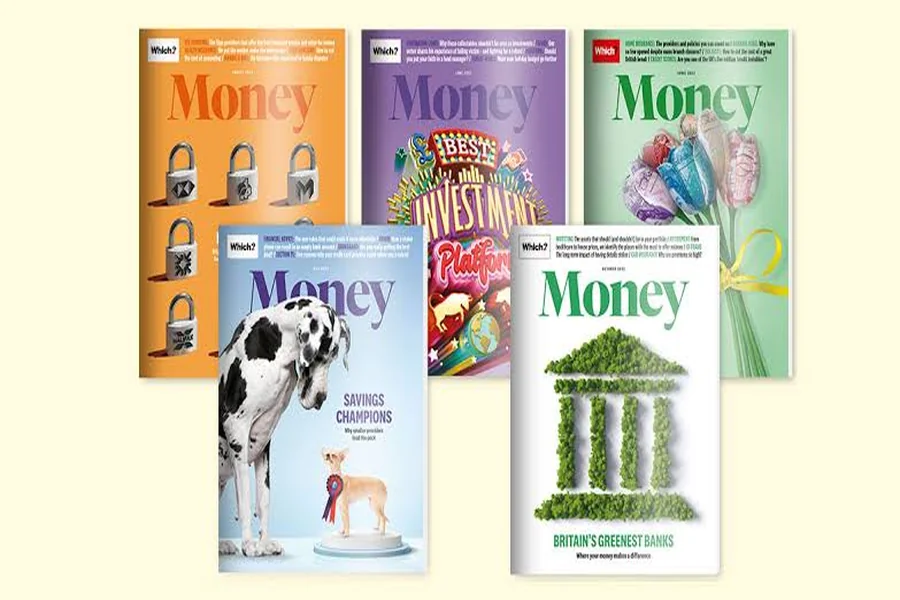
3. Money Magazine and Its Digital Legacy
Money became widely recognized for making personal finance more accessible to everyday readers. Its editorial tradition focused on subjects such as saving, investing, retirement, spending, and choosing financial products. The original print magazine ceased publication, so readers should distinguish its historical print edition from current online financial content using the Money name. Its legacy remains relevant because it demonstrated how financial reporting could combine expert analysis with practical guidance for households. Readers researching the publication can use archived articles and established financial resources to understand its approach, while checking dates carefully before applying older advice. Interest rates, tax rules, and investment conditions change, so historical information should be treated as background rather than automatically current guidance. <Cite refs={[“turn978349search8”]} />
4. Financial Planning Publications for Long-Term Goals
Readers who want to build wealth over time can benefit from publications that emphasize financial planning rather than short-term market predictions. Useful topics include emergency savings, retirement contributions, diversification, tax-efficient planning, insurance, and preparing for major expenses. Kiplinger and other established financial resources publish articles that address many of these subjects, while broader business publications may provide additional context about the economy and markets. The best reading strategy is to focus on material that explains principles, risks, costs, and time horizons instead of promising quick returns. Readers should also consider whether advice applies to their country, tax system, and financial circumstances, since recommendations designed for one market may not transfer directly to another.
5. How to Choose the Right Finance Magazine
The right publication depends on what you want to learn and how you prefer to consume information. Beginners may appreciate straightforward explanations of budgeting, saving, credit, and debt, while experienced investors might prefer deeper analysis of markets, retirement strategies, and portfolio management. Consider whether the publication clearly identifies its authors, explains its research methods, and distinguishes editorial advice from advertising or sponsored content. Check how frequently its information is updated, especially when articles discuss interest rates, taxes, or financial products. You should also compare subscription costs with the value you expect to receive. Reading a small selection of reliable publications regularly is often more useful than following many sources without a clear learning goal.
6. Using Financial Magazines to Improve Money Habits
Reading financial publications can be more valuable when you turn useful information into practical action. For example, an article about budgeting might encourage you to track expenses for a month, while a guide to emergency savings could help you set a realistic savings target. Keep notes on ideas that match your circumstances and compare recommendations from more than one credible source before making significant decisions. You can also explore related editorial content on Fabsmagazine for broader lifestyle and publishing inspiration alongside your regular reading. Remember that a magazine cannot know every detail of your finances. Use articles to strengthen your understanding, verify important details, and seek qualified professional advice when a decision involves significant risk or complexity.
Final Thought
The best financial publication is one that helps you understand money clearly and make progress toward your own goals. Kiplinger Personal Finance offers practical guidance across saving, investing, taxes, and retirement, while Forbes Advisor provides digital comparisons and explanations of financial products. Money remains an important part of personal finance publishing history, although its original print magazine is no longer published. Whatever resources you choose, prioritize accuracy, transparent methodology, and advice suited to your location and circumstances. Read consistently, question claims that promise unusually high returns, and translate useful lessons into manageable actions. With a thoughtful approach, financial magazines can become valuable tools for building knowledge and improving long-term financial confidence.
FAQs
1. What are the best personal finance magazines for beginners?
Kiplinger Personal Finance and digital resources such as Forbes Advisor can help beginners learn about budgeting, saving, investing, credit, and financial planning.
2. Is Kiplinger Personal Finance still available?
Yes. Kiplinger offers personal finance content online and provides print and digital publication options. Availability and subscription details can be checked on its official website.
3. Is Money magazine still published in print?
The original Money print magazine ceased publication. Readers should check the date and publisher of any Money-branded online content before relying on it.
4. Can personal finance magazines help with investing?
Yes. They can explain investment concepts, diversification, risk, and market developments, but readers should consider their goals and risk tolerance before investing.
5. Are online financial magazines free?
Many websites provide free articles, while some offer premium content, paid subscriptions, newsletters, or digital editions.
6. How can I tell whether financial magazine advice is trustworthy?
Look for transparent authorship, credible sources, clear explanations of risks and fees, recent updates, and disclosures about advertising or financial relationships.
7. Should I follow every financial tip I read in a magazine?
No. Treat articles as educational resources, verify important details, and consider your personal circumstances before acting on financial recommendations.



Post Comment
You must be logged in to post a comment.