Body Shape Confidence and Styling for Everyday Life
Introduction
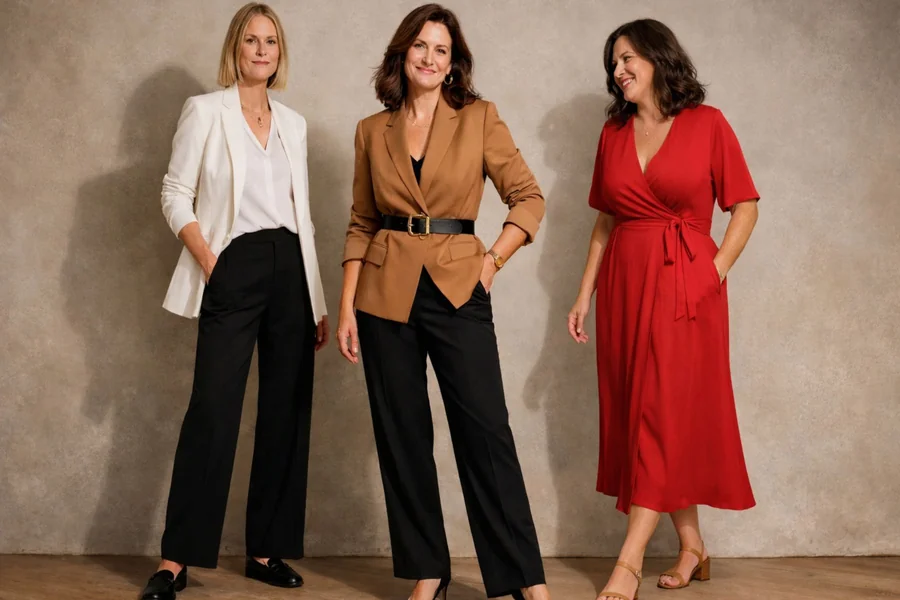
Body Shape Confidence and Styling are closely connected because the way people dress can influence how comfortable and self-assured they feel. Everyone has different physical proportions, and these differences are a natural part of human diversity. Some people have defined waists, while others have straighter frames, broader shoulders, or fuller hips. Understanding personal proportions can make choosing clothes easier, but it should never create pressure to achieve a particular appearance. Fashion is most rewarding when it supports individuality rather than following strict rules. The right outfit is not necessarily the one that hides certain features or emphasizes others. It is the one that feels comfortable, suits the occasion, and reflects personal taste. Developing confidence starts with accepting that there is no single ideal body shape.
Learning about general body-shape categories can offer helpful ideas when building a wardrobe. Traditional descriptions include hourglass, pear, apple, rectangle, and inverted triangle shapes, although many people have characteristics that overlap. Resources such as bodytypecalc can introduce common classifications and help readers understand their general proportions. However, these categories should be treated as flexible references rather than fixed identities. Body composition and appearance can change with age, activity, lifestyle, and other personal circumstances. More importantly, no category determines which clothes someone is allowed to wear. Instead of treating body-shape information as a list of restrictions, use it to experiment with different cuts, colors, and fabrics. Personal comfort and confidence should remain the priorities.
Understanding Your Natural Body Proportions
Recognizing your natural proportions can make shopping and outfit planning more straightforward. You might notice that your shoulders are wider than your hips, your waist is clearly defined, or your upper and lower body have similar measurements. These observations can help you understand why certain garments fit differently. For example, a jacket may feel comfortable around the waist but tight across the shoulders, while trousers may fit the hips differently from the waist. Such experiences are normal and do not indicate that something is wrong with your body. If you want a better fit, consider different brands, garment cuts, or simple tailoring adjustments. Measurements can be useful when selecting clothing online, but they should not become a source of constant comparison. Understanding proportions is about making practical choices, not judging appearance.
Choosing Clothes That Support Confidence
Clothing can influence confidence when it feels comfortable and suits the way you want to present yourself. Well-fitted garments often provide a polished appearance, but fitted does not have to mean tight. Choose fabrics that allow movement and cuts that feel natural throughout the day. Wrap dresses, straight-leg trousers, relaxed shirts, structured jackets, and A-line skirts are examples of versatile pieces that work across many wardrobes. Experiment with different necklines, sleeve lengths, and waist placements to see what you enjoy wearing. Color can also affect how an outfit feels, so try shades that complement your preferences and mood. There is no universal formula for flattering clothing. The best approach is to notice which combinations make you feel comfortable, expressive, and ready for the activities ahead.
Developing a Personal Style Without Restrictions
Personal style becomes stronger when it reflects individual interests instead of relying entirely on fashion rules. Some people enjoy minimalist outfits with neutral colors, while others prefer bright patterns, statement accessories, or bold combinations. Both approaches can look appealing on different body shapes. Start by identifying the clothing you naturally reach for and the styles that make you feel most comfortable. Then experiment with new pieces without assuming that certain designs are unsuitable for your proportions. If you enjoy oversized clothing, try balancing a loose top with more structured trousers, or combine a relaxed jacket with a simple dress. Accessories such as belts, scarves, watches, and jewelry can add personality without requiring a complete wardrobe change. Fashion should offer opportunities for creativity, not create unnecessary limitations.
Building Body Confidence Beyond Appearance
Confidence involves much more than finding the right outfit. It also develops through self-respect, healthy routines, positive relationships, and realistic expectations. Comparing your appearance with edited photographs or carefully selected social media images can create an unfair standard. Remember that photographs rarely show the full reality of someone’s everyday life. Instead, focus on what your body allows you to do, such as walking, working, exercising, creating, and enjoying activities with others. Choose physical activities that you genuinely enjoy rather than exercising only to change your appearance. Balanced nutrition, adequate sleep, and regular movement can support overall well-being. It is also helpful to avoid negative self-talk when trying on clothes. A garment that does not fit properly is not evidence that your body needs to change; it may simply be the wrong design or size.
Creating a Practical and Confidence-Boosting Wardrobe
A confidence-building wardrobe should be practical, versatile, and suited to your everyday lifestyle. Begin with essentials that you can combine easily, such as comfortable trousers, well-fitting jeans, basic tops, a versatile jacket, and suitable footwear. Choose colors that work together so you can create several outfits without buying too many items. Add personality through a few distinctive pieces, including patterned shirts, textured fabrics, or accessories you enjoy. When shopping, consider how an item feels while sitting, walking, and moving, not just how it looks in a fitting room mirror. Small alterations can improve the fit of clothing you already own. Organizing your wardrobe and removing pieces that cause discomfort can also make daily dressing easier. A useful wardrobe supports your real life while allowing your style to evolve.
Final Thought
Body confidence grows when people learn to appreciate their natural proportions and make clothing choices that reflect their personalities. Body-shape categories can provide useful styling inspiration, but they should never become strict rules or measures of personal worth. Comfortable clothing, thoughtful outfit combinations, and a practical wardrobe can make everyday dressing more enjoyable. Just as importantly, confidence develops through self-acceptance and a healthy attitude toward appearance. Fashion trends will continue to change, but personal comfort and individuality remain valuable. Give yourself permission to experiment, wear the colors you love, and choose outfits that suit your lifestyle. You do not need to achieve a particular silhouette to look stylish. The most meaningful style choice is one that helps you feel comfortable, authentic, and confident.
FAQs
How can I feel more confident about my body shape?
Focus on comfortable clothing, realistic expectations, positive self-talk, and habits that support your overall well-being.
Does body shape determine which clothes I can wear?
No, body shape does not create clothing restrictions, and you can experiment with any style that suits your preferences.
How do I identify my general body shape?
You can compare your shoulder, waist, and hip proportions to understand common classifications, but these categories are only general guides.
Can the right clothes improve body confidence?
Yes, comfortable and well-fitting clothing can help you feel more relaxed and confident in different situations.
Should I dress according to current fashion trends?
Follow trends only when you enjoy them, because personal comfort and individual style are more important than temporary popularity.
How can I build a versatile wardrobe?
Start with comfortable essentials in coordinating colors, then add a few statement pieces that reflect your personality.
Can body shape change over time?
Yes, age, lifestyle, physical activity, hormones, and changes in body composition can influence appearance over time.


Post Comment
You must be logged in to post a comment.