Confidence and Self Esteem for Personal Growth
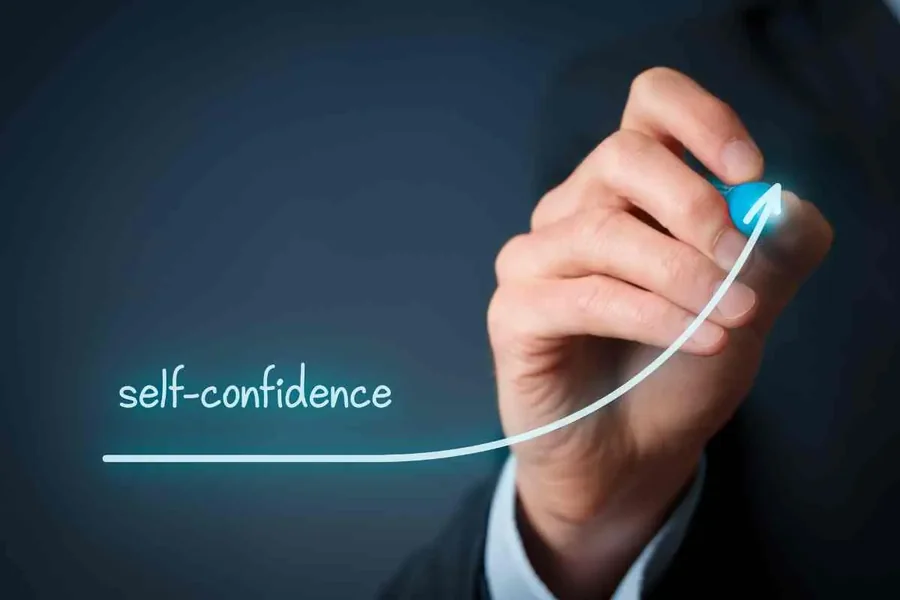
Building Confidence and Self Esteem is one of the most valuable investments you can make in yourself. These qualities influence how you think, make decisions, communicate with others, and respond to life’s challenges. Whether you’re pursuing career goals, improving relationships, or developing healthier habits, confidence and self-esteem provide the foundation for lasting success. While everyone experiences moments of self-doubt, developing a positive mindset and believing in your abilities can help you overcome obstacles and reach your full potential. For more practical lifestyle advice and self-improvement ideas, many readers also enjoy visiting dailysmilee for helpful content that supports everyday personal growth.
Understanding Confidence and Self Esteem
Although confidence and self-esteem are closely connected, they represent different aspects of personal development.
Confidence refers to your belief in your ability to complete specific tasks or handle particular situations. It often grows through learning, practice, and successful experiences. For example, you may feel confident giving presentations after gaining experience speaking in front of groups.
Self-esteem, on the other hand, reflects your overall sense of self-worth. It involves accepting yourself, recognizing your value, and believing that you deserve respect regardless of your achievements or mistakes.
Healthy self-esteem provides emotional stability, while confidence gives you the courage to take action. Together, they create a strong foundation for personal and professional growth.
Understanding this distinction helps you focus on strengthening both qualities instead of relying on one alone.
Why Confidence and Self Esteem Matter
People with healthy confidence and self-esteem are often more willing to pursue opportunities, face challenges, and recover from setbacks.
Strong self-belief encourages better decision-making because individuals trust their judgment instead of constantly seeking approval from others.
In professional settings, confidence improves communication, leadership, teamwork, and presentation skills. Employees who express ideas clearly and contribute actively often earn greater recognition and career advancement opportunities.
Personally, positive self-esteem supports healthier relationships by encouraging open communication, mutual respect, and appropriate personal boundaries.
These qualities also improve emotional resilience. Rather than viewing mistakes as personal failures, confident individuals see them as opportunities to learn and improve.
Ultimately, confidence and self-esteem contribute to greater life satisfaction by helping people approach challenges with optimism and determination.
Practical Ways to Build Confidence
Confidence develops gradually through consistent action rather than overnight transformation.
Start by setting realistic goals that can be achieved step by step. Every accomplishment, no matter how small, reinforces your belief in your abilities.
Learning new skills is another effective strategy. Whether you improve communication, public speaking, technical knowledge, or creative abilities, increased competence naturally strengthens confidence.
Positive self-talk also plays an important role. Replacing overly critical thoughts with realistic and encouraging statements helps reduce unnecessary self-doubt.
Preparing thoroughly before important events such as interviews, presentations, or meetings increases confidence because preparation reduces uncertainty.
Stepping outside your comfort zone regularly allows you to build experience while proving to yourself that you can handle new situations successfully.
Strengthening Self Esteem Through Healthy Habits
Self-esteem grows through daily habits that reinforce self-respect and emotional well-being.
Treat yourself with the same kindness and patience you would offer a close friend. Everyone makes mistakes, and self-compassion allows you to learn without becoming overly critical.
Maintaining physical health through regular exercise, balanced nutrition, and sufficient sleep also contributes to emotional well-being and a more positive self-image.
Surround yourself with supportive people who encourage your growth rather than constantly criticizing or discouraging you.
Celebrate progress instead of waiting for perfection. Acknowledging small achievements reinforces positive thinking and builds lasting motivation.
Limiting unhealthy comparisons, especially on social media, helps maintain realistic expectations and strengthens appreciation for your own unique journey.
Common Challenges and How to Overcome Them
Many factors can affect confidence and self-esteem, including past experiences, fear of failure, criticism, and unrealistic expectations.
Fear of making mistakes often prevents people from trying new opportunities. Remember that failure is a natural part of learning and personal development.
Negative self-talk can gradually reduce confidence if left unchallenged. Becoming aware of these thoughts allows you to replace them with balanced and constructive perspectives.
Comparing yourself to others may also create unnecessary pressure. Focus instead on your own progress, recognizing that everyone develops at a different pace.
Seeking guidance from mentors, trusted friends, or professional coaches can provide valuable encouragement and practical advice during periods of self-doubt.
With consistent effort and patience, these challenges become easier to manage over time.
Long-Term Benefits of Healthy Confidence and Self Esteem
Developing confidence and self-esteem creates lifelong advantages across every area of life.
Individuals with strong self-belief often communicate more effectively, build healthier relationships, and approach challenges with greater resilience.
Professionally, confidence supports leadership, teamwork, creativity, and decision-making, increasing opportunities for career advancement.
Personally, healthy self-esteem encourages emotional balance, reduces anxiety related to constant self-criticism, and promotes greater overall happiness.
Most importantly, confidence empowers individuals to pursue meaningful goals without allowing fear or self-doubt to control their decisions.
As these qualities continue growing, they create a positive cycle in which each success builds even greater confidence for future opportunities.
Final Thought
Confidence and Self Esteem are essential qualities that influence how you think, act, and interact with the world around you. By developing positive habits, challenging negative thoughts, learning new skills, and celebrating steady progress, you can strengthen both your confidence and your sense of self-worth.
Personal growth is a lifelong journey, not a destination. Every step you take toward believing in yourself creates new opportunities for success, stronger relationships, improved well-being, and a more fulfilling life.
FAQs
What is the difference between confidence and self-esteem?
Confidence is belief in your ability to perform specific tasks, while self-esteem reflects your overall sense of self-worth and personal value.
Why are confidence and self-esteem important?
They improve decision-making, strengthen relationships, support career growth, increase resilience, and contribute to overall mental well-being.
How can I build confidence every day?
Set achievable goals, practice new skills, prepare thoroughly, use positive self-talk, and gradually challenge yourself with new experiences.
What causes low self-esteem?
Low self-esteem may develop from negative experiences, excessive criticism, unrealistic comparisons, fear of failure, or persistent negative self-talk.
Can confidence be learned?
Yes. Confidence grows through practice, experience, preparation, continuous learning, and successfully overcoming challenges.
How long does it take to improve self-esteem?
Improving self-esteem is an ongoing process. Consistent healthy habits, positive thinking, and regular self-reflection can lead to meaningful long-term improvement.


Post Comment
You must be logged in to post a comment.