Diamond Ring Price Guide for Smart Jewelry Shopping
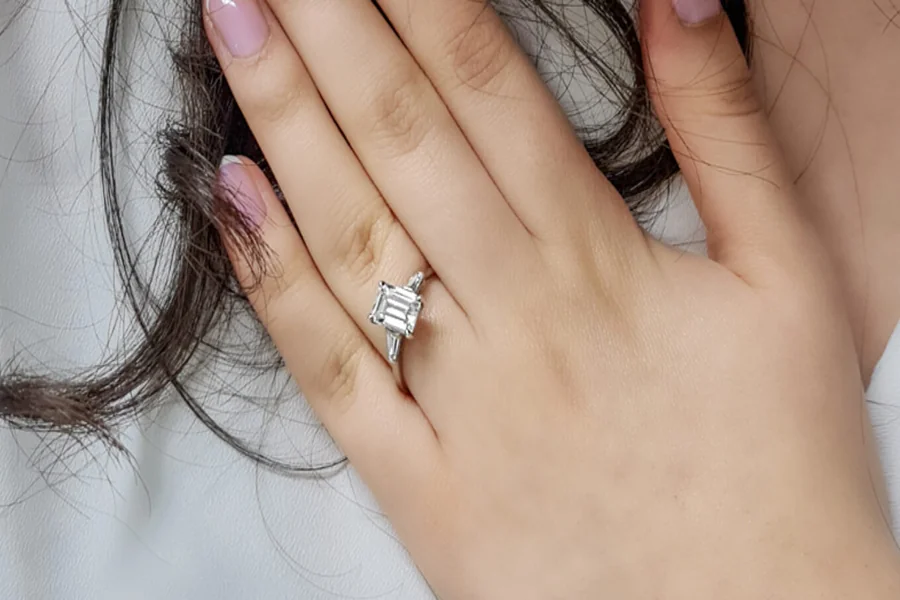
A Diamond Ring Price Guide can make jewelry shopping easier by explaining why two rings that look similar may have very different prices. Diamond value depends on several factors, including cut, color, clarity, carat weight, diamond shape, setting, metal, craftsmanship, and whether the stone is natural or lab-grown.
There is no single price that makes a diamond ring “worth it.” The right choice depends on your budget, preferred appearance, lifestyle, and the qualities you value most. Understanding these factors before shopping can help you make a confident decision without paying for features that may not noticeably improve the ring’s appearance.
For additional lifestyle and fashion inspiration, readers can also visit usaceleblife.
Understanding the 4Cs of Diamond Pricing
The Four Cs—cut, color, clarity, and carat weight—are the foundation for understanding diamond quality and pricing. Each characteristic affects a stone differently, and the combination determines much of its overall value.
Cut has a major influence on brilliance. A well-cut diamond can reflect light effectively and appear lively, while a poorly cut stone may look dull even when it has a larger carat weight.
Color describes how much visible color a diamond has. Colorless diamonds generally command higher prices, while near-colorless options can provide a beautiful appearance at a more accessible cost.
Clarity refers to internal inclusions and external blemishes. Higher clarity grades are rarer, but many inclusions are difficult to see without magnification. Choosing a diamond that appears clean to the naked eye can therefore be a practical way to manage your budget.
Carat weight measures the diamond’s weight, not simply its visible size. Larger diamonds are generally rarer, so their prices tend to increase significantly as carat weight rises.
The most important point is that the Four Cs should be considered together. A diamond with excellent cut quality and slightly lower color or clarity can sometimes offer a more attractive balance than one with the highest possible grade in every category.
How Diamond Shape and Setting Affect Cost
Diamond shape can have a noticeable effect on price. Round brilliant diamonds are often among the more expensive shapes because of their popularity and cutting requirements. Other shapes, such as oval, cushion, pear, and emerald, can provide distinctive appearances and may offer different value.
The ring setting also contributes to the final cost.
A simple solitaire setting typically uses less metal and fewer additional stones. This allows more of the budget to be directed toward the center diamond.
A halo setting surrounds the main diamond with smaller stones. Although it adds additional material and craftsmanship, the design can make the center stone appear larger and more dramatic.
A three-stone ring includes a center diamond and two side stones, creating a balanced and meaningful design.
A pavé setting places small diamonds along the band, increasing overall sparkle and craftsmanship requirements.
More complex designs can cost more because they require additional stones, materials, and labor. However, an elaborate setting can sometimes create a luxurious appearance without requiring an extremely large center diamond.
Diamond Ring Budget Planning
Instead of following a fixed spending rule, begin by deciding what you can comfortably afford. A diamond ring is a significant purchase, so the budget should fit your financial situation rather than create unnecessary pressure.
Once you establish your budget, decide which characteristics matter most.
If sparkle is your priority, placing greater emphasis on cut quality may make sense. If size is more important, you can compare different shapes and consider slightly lower color or clarity grades.
For shoppers focused on value, near-colorless diamonds and eye-clean clarity grades can provide attractive alternatives to premium grades. The goal is not to maximize every specification but to create the best combination for your preferences.
A simple setting can also help control costs. By choosing fewer accent stones, you may be able to allocate more money toward the center diamond.
Another strategy is considering diamonds just below popular carat milestones. A stone slightly below a commonly targeted weight can sometimes provide a similar visual effect while avoiding some of the premium associated with reaching that exact number.
Natural and Lab-Grown Diamond Price Differences
Another important factor when considering a diamond ring budget is whether to purchase a natural or lab-grown diamond.
Natural diamonds form naturally over geological periods. Their rarity and natural origin are important parts of their traditional appeal.
Lab-grown diamonds are created using technological processes and have the same basic chemical composition and crystal structure as natural diamonds. Their production method can make them significantly more affordable.
For buyers who want a larger-looking stone within a particular budget, lab-grown diamonds may offer an attractive option. Someone who values natural origin and traditional symbolism may prefer a mined diamond instead.
The choice is ultimately personal. Neither option automatically makes a ring more meaningful. What matters is finding a diamond that matches your preferences, priorities, and financial plans.
Ways to Get Better Value When Shopping
Getting good value does not mean choosing the cheapest available diamond. It means spending more strategically.
Start by comparing diamonds with similar characteristics. Looking at the complete specifications will help you understand why one stone costs more than another.
Pay close attention to cut quality, especially when choosing a brilliant-style diamond. A well-cut stone can produce impressive brightness and sparkle.
Consider near-colorless grades if you want a bright appearance without paying a premium for the highest color grades.
For clarity, focus on how the diamond actually looks. If inclusions are not visible during normal viewing, paying significantly more for a higher clarity grade may not provide a noticeable benefit.
Think carefully about diamond shape. If you love an oval, cushion, or pear-shaped stone, choosing that shape may provide a distinctive appearance while allowing a different budget allocation than a round diamond.
Finally, compare different settings. A carefully designed halo or pavé setting can add visual impact, while a solitaire allows the center stone to remain the main focus.
Choosing the Right Metal and Ring Quality
The metal used for the ring also affects both appearance and cost.
Yellow gold provides a warm, traditional appearance and can create an attractive contrast with the diamond.
White gold offers a clean and contemporary look that works well with many diamond shapes.
Rose gold adds a soft pink tone and can give a ring a romantic, modern character.
Platinum is a premium option valued for its durability and naturally white appearance.
When comparing rings, do not focus only on the diamond. Consider the quality of the setting, craftsmanship, band thickness, stone security, and overall finish.
Ring size is equally important. An improperly fitted ring can be uncomfortable or increase the risk of losing the piece.
For a significant purchase, buyers should also consider documentation, return policies, resizing options, warranties, and maintenance services. These factors can add value beyond the initial purchase price.
Final Thought
A Diamond Ring Price Guide is most useful when it helps you understand what you are actually paying for. Diamond prices are influenced by the Four Cs, shape, setting, metal, craftsmanship, and the type of diamond selected.
The smartest approach is to begin with a realistic budget and prioritize the qualities that matter most to you. If sparkle is important, focus on cut. If size matters most, compare carat weight alongside different shapes and settings. If value is your main concern, consider eye-clean clarity and near-colorless options.
A beautiful diamond ring does not have to be the most expensive one available. With thoughtful comparison and a clear understanding of quality, you can choose a ring that looks impressive, feels meaningful, and fits comfortably within your budget.
FAQs
What factors determine the price of a diamond ring?
The main factors include cut, color, clarity, carat weight, diamond shape, setting, metal, craftsmanship, and whether the diamond is natural or lab-grown.
Is carat weight the most important factor in diamond pricing?
Carat weight strongly affects price, but cut, color, clarity, shape, and other characteristics also influence the overall value.
Why is diamond cut important?
Cut affects how efficiently a diamond interacts with light and therefore has a major impact on its brightness and sparkle.
Can I save money by choosing a lower clarity grade?
Yes. If a diamond appears clean to the naked eye, a lower clarity grade may offer better value than paying for a higher grade that provides little visible difference.
Are round diamonds more expensive than other shapes?
Round brilliant diamonds are often priced higher than many fancy shapes because of their popularity and cutting requirements.
Is a solitaire setting cheaper than a halo setting?
A solitaire often costs less because it uses fewer additional diamonds and generally requires less intricate craftsmanship.
Are lab-grown diamonds less expensive?
Lab-grown diamonds are generally more affordable than comparable natural diamonds, although prices vary according to quality, size, and retailer.
Which metal is best for a diamond ring?
White gold, yellow gold, rose gold, and platinum can all be excellent choices. The best option depends on personal style, durability preferences, and budget.
How can I get better value from my diamond ring budget?
Prioritize the qualities that are most visible to you, compare multiple stones, consider alternative diamond shapes, and avoid paying premium prices for characteristics that are difficult to notice.
Should I consider the ring setting when comparing prices?
Yes. The setting can significantly affect the total cost because additional diamonds, precious metals, design complexity, and craftsmanship all contribute to the final price.



Post Comment
You must be logged in to post a comment.