Visa Guide for Smooth Travel Applications and Approval
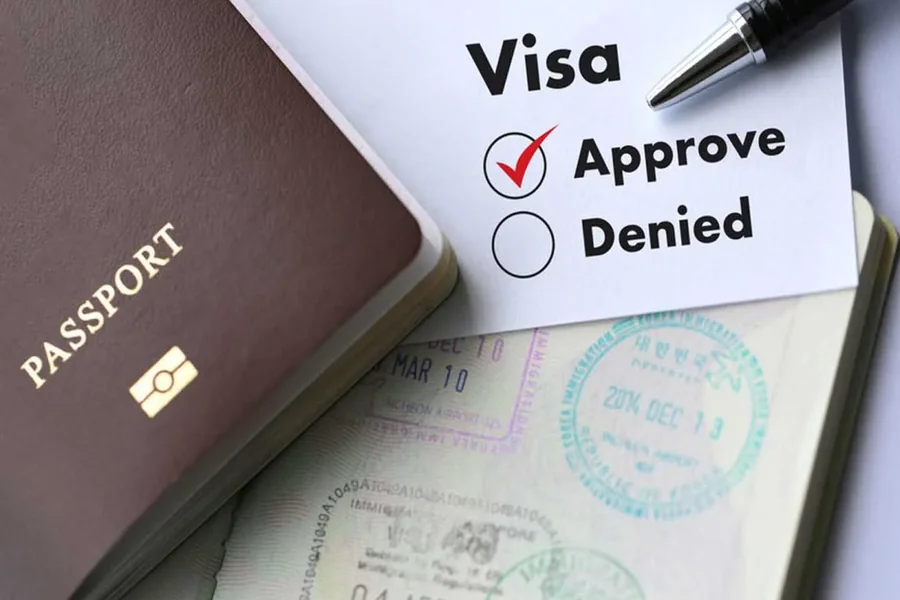
Visa Guide is an essential resource for anyone planning international travel, whether for study, work, tourism, or family visits. Understanding how visa systems work can make the difference between a smooth journey and unexpected delays. A well-prepared visa application increases your chances of approval and reduces stress throughout the process. This Visa Guide breaks down the process into simple steps, helping travelers understand requirements, documentation, and expectations before applying. With different countries maintaining unique entry rules, having clear guidance ensures you avoid common mistakes and stay organized from start to finish.
Visa Guide Overview and Importance
A visa is an official authorization that allows travelers to enter, stay, or leave a foreign country for a specific purpose and duration. Each country has its own visa policies, which may vary based on nationality, travel purpose, and length of stay. Understanding these differences is important because even small errors in your application can lead to rejection or delays. A Visa Guide helps simplify these complexities by explaining key requirements in a structured way. It also helps applicants understand why visas are required, such as maintaining border security, controlling immigration, and regulating international travel. For travelers, this knowledge builds confidence and improves preparation. Whether you are applying for a tourist visa or a long-term residence permit, knowing the basics helps you plan better. Additionally, visa systems often change due to policy updates, so staying informed ensures your application remains accurate and compliant with current rules.
Types of Visas and Their Requirements
There are several types of visas, and each serves a different purpose. The most common type is the tourist visa, which allows short-term visits for leisure or sightseeing. Business visas are issued for meetings, conferences, or professional engagements. Student visas are designed for individuals pursuing education abroad, often requiring proof of enrollment and financial stability. Work visas allow foreign employment and typically require sponsorship from an employer. Transit visas are used for short layovers in a country while traveling to another destination. Each visa type comes with specific requirements such as valid passports, application forms, photographs, financial statements, and invitation letters where applicable. Some countries may also require medical reports or travel insurance. Understanding these requirements early helps applicants gather documents without last-minute stress. A well-prepared application not only improves approval chances but also reflects seriousness and credibility in the eyes of immigration authorities.
Step-by-Step Visa Application Process
Applying for a visa involves several structured steps that must be followed carefully. The first step is determining the correct visa type based on your travel purpose. Next, applicants need to complete the official visa application form, either online or on paper, depending on the country’s system. After that, gathering supporting documents is crucial, including passport copies, photographs, financial proof, and travel itineraries. Some embassies may also require appointment scheduling for biometric data collection or interviews. Once the application is submitted, applicants usually pay a processing fee, which varies by country and visa category. After submission, the waiting period begins, during which authorities review the application and verify information. In some cases, additional documents or interviews may be requested. Once approved, the visa is issued either as a stamp, sticker, or electronic authorization. Following each step carefully ensures a smoother experience and reduces the chances of rejection or delay. You can read more on aelftech.com.
Tips and Common Challenges in Visa Approval
One of the most common challenges applicants face is incomplete or incorrect documentation. Even minor errors in forms or missing papers can lead to delays or rejection. Another challenge is proving financial stability, as many countries require evidence that travelers can support themselves during their stay. Interview anxiety is also a concern for some applicants, especially when applying for work or student visas. To overcome these challenges, careful preparation is key. Always double-check application details before submission and ensure all documents are updated and accurate. It is also helpful to maintain a clear travel history, as previous international travel can strengthen your application. Applying early is another useful tip, as visa processing times can vary significantly. Staying organized and following official instructions reduces unnecessary stress. Ultimately, patience and preparation are the most important factors in achieving successful visa approval.
Final Thought
A Visa Guide plays an important role in helping travelers navigate complex international entry requirements with confidence. While each country has its own rules, the core principles of preparation, accuracy, and timely submission remain the same everywhere. Understanding visa categories, gathering correct documents, and following application steps carefully can greatly improve approval chances. Travelers who take time to research and prepare are less likely to face delays or rejections. As global travel continues to grow, visa processes may evolve, but staying informed will always be beneficial. A thoughtful and organized approach ensures that your journey begins smoothly, without unnecessary complications. Whether you are traveling for education, work, or leisure, proper visa planning is the foundation of a successful trip.
FAQs
What is the purpose of a visa? A visa allows a traveler to enter and stay in a foreign country legally for a specific purpose and duration.
How long does visa processing usually take? Processing time varies by country and visa type, ranging from a few days to several weeks.
Can a visa application be rejected? Yes, applications can be rejected due to incomplete documents, incorrect information, or failure to meet eligibility criteria.
Do all countries require a visa for entry? Not all countries require visas for every traveler, as some have visa-free agreements or visa-on-arrival options.
What documents are commonly required for a visa? Common documents include a valid passport, application form, photographs, financial proof, and travel itinerary.
Is an interview always required for visa approval? No, interviews are only required for certain visa types or when additional verification is needed.


Post Comment
You must be logged in to post a comment.