Digital Marketing Courses to Build Career-Ready Skills
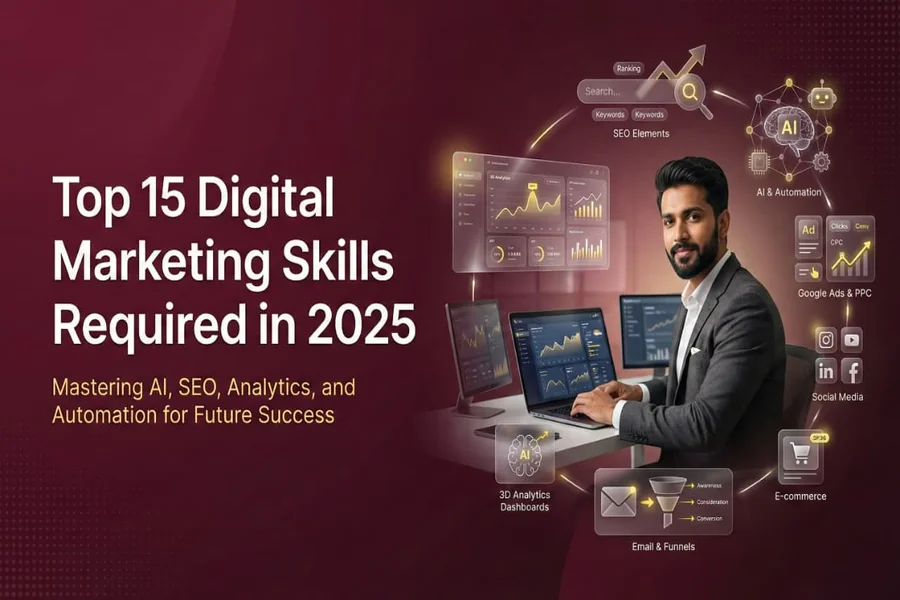
Digital marketing has become an important part of how modern businesses attract customers, build brands, and generate sales. As more companies move their operations online, the demand for people with practical digital skills continues to grow. For students, job seekers, freelancers, entrepreneurs, and marketing professionals, Digital Marketing Courses can provide a structured way to learn these skills and apply them in real situations.
Unlike traditional marketing, digital marketing covers a wide range of activities, including search engine optimization, social media marketing, email campaigns, content creation, paid advertising, analytics, and conversion optimization. Learning how these channels work together can help learners build a strong foundation and make better marketing decisions.
The best training is not simply about memorizing definitions. It should help learners understand how to create campaigns, analyze performance, solve marketing problems, and adapt to changing online trends. With the right course and consistent practice, beginners can gradually develop skills that are useful across many industries.
What You Can Learn From Digital Marketing Courses
A good digital marketing program usually covers several areas rather than focusing on one marketing channel. This broad approach is useful because businesses rarely depend on a single source of online traffic or customers.
Search engine optimization, commonly known as SEO, is one of the most important subjects. Learners can understand how search engines work, how people search for information, and how websites can improve their visibility through useful and relevant content. Topics may include keyword research, on-page optimization, technical SEO, link building, local search, and SEO measurement.
Social media marketing is another common component. Platforms such as Facebook, Instagram, LinkedIn, TikTok, and other networks give businesses opportunities to connect with different audiences. Training can teach learners how to develop social content, understand audience behavior, create campaigns, and measure engagement.
Paid advertising introduces learners to a more performance-focused side of marketing. Search advertising and social media advertising can help businesses reach specific audiences quickly. Students can learn about campaign objectives, audience targeting, ad copy, budgeting, bidding, testing, and performance analysis.
Content marketing is also essential. Businesses need useful articles, videos, guides, product information, social posts, and other content to attract and educate potential customers. A marketing course can teach learners how to create content that addresses audience needs while supporting broader business goals.
Analytics brings these different areas together. Marketers need to know whether their efforts are actually producing results. Understanding traffic sources, conversions, engagement, customer behavior, and campaign performance allows marketers to make decisions based on evidence instead of assumptions.
How to Choose the Right Marketing Course
Not every online marketing course provides the same learning experience. Before enrolling, it is important to consider what you want to achieve. Someone who wants to become an SEO specialist may need deeper SEO training, while an entrepreneur may benefit from a broader program covering multiple marketing channels.
Course content should be one of the first things to examine. Look for a curriculum that covers current marketing practices and includes practical topics. A course that only focuses on basic definitions may not provide enough preparation for professional work.
Practical assignments are particularly valuable. Creating a mock advertising campaign, performing keyword research, developing a content plan, analyzing website data, or optimizing a sample landing page gives learners opportunities to apply concepts.
The instructor’s experience can also matter. Experienced professionals may provide real-world examples that explain how marketing decisions work outside a classroom environment. However, instructor credentials should be considered alongside the quality and relevance of the course material.
Course format is another consideration. Some people prefer live classes because they can ask questions and interact with instructors. Others prefer recorded lessons because they can study at their own pace. Both approaches can work when learners remain consistent.
Cost should not be the only deciding factor. A low-cost course may be useful if it provides strong foundational material, while an expensive program may not be worthwhile if it lacks practical learning. Compare the curriculum, projects, instructor support, learning resources, and overall outcomes before making a decision.
Building Practical Skills Through Hands-On Learning
One of the biggest mistakes beginners make is consuming information without practicing it. Digital marketing is a practical field, so learners should spend time applying what they study.
For example, after learning keyword research, a student could create a keyword list for a fictional business. After studying SEO, they could review a website and identify opportunities to improve page titles, headings, internal links, and content. After learning social media marketing, they could create a one-month content calendar for a sample brand.
Building small projects can make learning much more effective. A personal website or simple blog can serve as a testing environment. Learners can practice writing content, optimizing pages, tracking traffic, and experimenting with different promotional techniques.
Creating a portfolio is another major benefit of hands-on learning. Employers and clients often want evidence that someone can perform practical tasks. A portfolio can include SEO audits, content samples, social media campaigns, advertising examples, analytics reports, and marketing plans.
Learners can also practice through volunteer projects or small freelance assignments. Working with a real business introduces challenges that cannot always be reproduced in a classroom. It teaches students how to communicate with clients, manage deadlines, interpret data, and adjust strategies when results are different from expectations.
Building a professional online presence can also support career development. Sharing useful marketing insights, project results, or learning experiences can help demonstrate knowledge and commitment to potential employers or clients.
When learning about off-page SEO and online visibility, students may also encounter link-building concepts. Understanding how relevant websites can contribute to online authority is useful, and resources such as a Backlink can provide additional context around link-based promotion.
Career Opportunities After Digital Marketing Training
Digital marketing skills can lead to a variety of career paths. Because online promotion includes many specialized areas, learners can eventually choose a field that matches their interests and strengths.
An SEO specialist focuses on improving organic search visibility. Their work can include keyword research, content optimization, technical recommendations, competitor analysis, and performance monitoring.
A social media specialist develops and manages campaigns across social platforms. They may create content, communicate with followers, coordinate campaigns, and analyze engagement.
Content marketers focus on creating useful material that attracts and supports potential customers. Their responsibilities may include blog writing, content planning, research, editing, and content distribution.
Paid advertising specialists manage campaigns designed to generate measurable outcomes. They may work with search ads, social advertising, remarketing, audience targeting, and budget management.
Email marketers develop campaigns designed to nurture leads and retain customers. They can create newsletters, automated sequences, promotional campaigns, and personalized communications.
Digital marketing analysts focus more heavily on data. They examine campaign performance, website behavior, customer journeys, and conversion information to identify opportunities for improvement.
Freelancing is another possible path. Skilled marketers can offer services to small businesses, agencies, online stores, startups, and other organizations. However, building a freelance career usually requires more than marketing knowledge. Communication, project management, pricing, client relationships, and reliability are equally important.
Entrepreneurs can also benefit from these skills. Understanding online marketing can help business owners promote their own products and services without depending entirely on outside agencies.
Making the Most of Your Learning Journey
Completing a course is only the beginning. Digital platforms and consumer behavior change frequently, so successful marketers continue learning long after their formal training ends.
Set specific learning goals rather than trying to master everything at once. For example, you might spend several weeks focusing on SEO before moving into paid advertising or analytics. Breaking the subject into manageable areas makes the learning process less overwhelming.
Take notes, complete assignments, and revisit difficult concepts. More importantly, practice regularly. Even a small personal project can help turn theoretical knowledge into practical ability.
It is also useful to follow reputable industry publications, marketing communities, and platform updates. Search algorithms, advertising features, analytics systems, and social media trends can change over time. Staying informed helps marketers avoid relying on outdated techniques.
Networking can provide another advantage. Connecting with other learners, marketers, business owners, and professionals can create opportunities for collaboration and knowledge sharing. Discussions about real campaigns often reveal practical lessons that are difficult to learn from textbooks alone.
Finally, focus on results rather than simply collecting certificates. Certifications can demonstrate that you completed training, but practical ability is what helps you solve real marketing problems. A learner who can explain what they did, why they did it, and what the results mean will generally be better prepared for professional opportunities.
Final Thought
Digital marketing is a broad and constantly changing field, but structured learning can make the journey easier to manage. The right course can introduce learners to SEO, social media, content marketing, paid advertising, email campaigns, analytics, and other essential areas while providing a foundation for continued growth.
The most valuable learning happens when education is combined with practice. Instead of stopping after watching lessons, create projects, analyze results, build a portfolio, and keep testing your knowledge. These experiences can turn theoretical concepts into practical skills that employers, clients, and business owners can appreciate.
Whether your goal is to start a marketing career, grow a business, work as a freelancer, or strengthen your existing professional skills, investing time in structured digital marketing education can be a useful step. Choose a course that matches your goals, practice consistently, stay updated, and focus on creating measurable value.
FAQs
Are Digital Marketing Courses suitable for beginners?
Yes, many digital marketing programs are designed for beginners and introduce fundamental concepts before moving into more advanced strategies.
What topics are usually included in digital marketing training?
Common topics include SEO, social media marketing, content marketing, email marketing, paid advertising, analytics, conversion optimization, and online branding.
Can I get a digital marketing job after completing a course?
A course can provide foundational knowledge, but gaining practical experience, developing a portfolio, and demonstrating relevant skills can improve your chances of securing a job.
Are online marketing courses useful for freelancers?
Yes, online marketing training can help freelancers develop services such as SEO, content marketing, social media management, paid advertising, and analytics.
How long does it take to learn digital marketing?
The time varies depending on the course, learning schedule, previous experience, and desired specialization, but consistent practice is more important than completing training quickly.
Do digital marketing courses provide certificates?
Many programs provide certificates after learners complete required lessons, assignments, or assessments, although the value of a certificate depends on the provider and the skills demonstrated.
Is practical experience important after completing a course?
Yes, practical experience is extremely valuable because it helps learners apply concepts, understand real marketing challenges, create portfolio projects, and demonstrate their abilities.

Post Comment
You must be logged in to post a comment.