How Technology Improves Transportation And Logistics Today
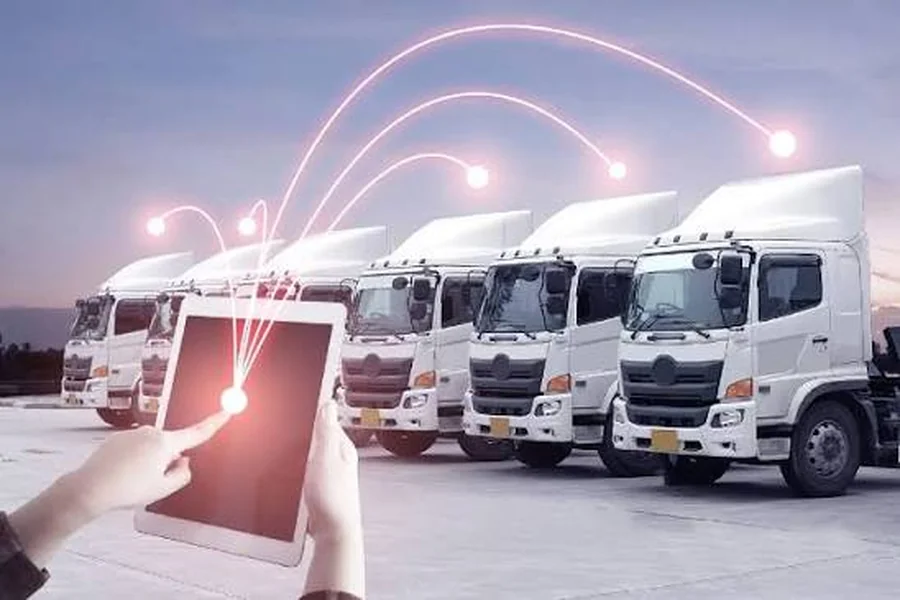
Technology has transformed the way people and goods move from one place to another. The transportation and logistics industry now relies on digital tools to coordinate shipments, manage fleets, monitor deliveries, and reduce operational delays. Understanding how technology improves transportation and logistics helps businesses make better decisions, control costs, and meet customer expectations. From GPS navigation and warehouse automation to artificial intelligence and real-time tracking, modern solutions are making supply chains more connected and efficient. As customer demand grows and delivery schedules become more complex, organizations that adopt suitable technologies can improve reliability, respond to disruptions faster, and build more competitive transportation networks.
Real-Time Tracking and Smarter Route Planning
GPS tracking and digital mapping systems have made it easier for transportation companies to monitor vehicles and plan efficient routes. Dispatchers can view vehicle locations, estimate arrival times, and respond to traffic congestion or unexpected road closures. These tools help reduce unnecessary mileage, fuel consumption, and delivery delays. Drivers can also receive updated directions and important route information while traveling. Businesses that deliver goods across multiple locations benefit from improved visibility because customers and managers can receive more accurate delivery updates. Digital platforms and technology resources, including feeltextz, can also help readers keep up with developments in the wider technology landscape. Although tracking systems provide valuable information, companies should use reliable data and protect location records to maintain privacy and operational security.
Automation in Warehousing and Inventory Management
Warehouses play an essential role in logistics, and automation helps make their operations faster and more accurate. Barcode scanners, radio-frequency identification systems, automated sorting equipment, and warehouse management software can simplify the process of receiving, storing, picking, and dispatching goods. Some facilities also use autonomous mobile robots to move products between storage areas and packing stations. These technologies reduce repetitive manual tasks and help employees locate inventory more efficiently. Accurate inventory records also make it easier for businesses to avoid stock shortages, prevent overordering, and fulfill customer requests on time. Automation does not eliminate the need for human workers; instead, it can allow employees to focus on quality control, exception handling, and tasks requiring judgment. Successful implementation depends on staff training, equipment maintenance, and integration with existing systems.
Artificial Intelligence and Data-Driven Decisions
Artificial intelligence and data analytics help transportation companies make decisions using information collected from vehicles, orders, warehouses, and customer demand. Predictive analytics can estimate shipping volumes, identify patterns in delivery delays, and help managers plan staffing and fleet capacity. AI-powered route optimization can evaluate multiple factors, including traffic conditions, delivery windows, vehicle capacity, and fuel costs. These capabilities can improve resource allocation and help organizations respond more effectively to changing conditions. Data analysis can also support vehicle maintenance by identifying warning signs before certain mechanical problems cause unexpected downtime. However, results depend on the quality of the available information. Businesses should validate predictions, monitor system performance, and keep human decision-makers involved when operational choices could affect safety, costs, or customer service.
Improved Safety and Fleet Management
Technology also supports safer and more reliable transportation operations. Telematics systems collect information about vehicle location, engine performance, fuel use, and driving behavior. Fleet managers can use these insights to identify excessive idling, harsh braking, or maintenance concerns and provide targeted coaching where appropriate. Electronic inspection records and maintenance management systems help companies schedule servicing and document vehicle conditions. Driver assistance technologies, such as collision warnings and automatic emergency braking, may provide additional protection when properly installed and used. These systems cannot eliminate every accident, so organizations must continue to emphasize driver training, safe working schedules, and compliance with transportation regulations. By combining technology with effective safety policies, businesses can reduce preventable risks, improve vehicle reliability, and support better working conditions for drivers.
Sustainable Transportation and Customer Experience
Modern logistics technology can help companies reduce waste while delivering a better customer experience. Route optimization, efficient load planning, and fleet monitoring may reduce fuel use and unnecessary trips. Businesses are also adopting electric vehicles and charging management systems where suitable infrastructure and operating conditions support them. In warehouses, energy monitoring and better inventory planning can help reduce resource consumption. At the customer level, digital booking, shipment notifications, tracking portals, and electronic proof of delivery provide greater transparency throughout the delivery process. Customers can plan around expected arrival times, while support teams can investigate problems using more accurate shipment records. These improvements are particularly important for businesses handling time-sensitive deliveries or serving customers who expect frequent updates. Companies should measure actual performance to ensure that sustainability initiatives deliver meaningful results.
Final Thought
Technology has become a vital part of modern transportation and logistics, helping organizations coordinate shipments, improve warehouse operations, support safer driving, and make informed decisions. GPS tracking, automation, artificial intelligence, and digital customer services can reduce inefficiencies while improving visibility across the supply chain. However, adopting new tools requires investment, employee training, cybersecurity safeguards, and regular performance reviews. Businesses should identify their most pressing challenges before selecting solutions and ensure that new systems work well with existing processes. With a practical strategy and a focus on continuous improvement, transportation providers can build more reliable, efficient, and sustainable operations that meet changing customer expectations.
FAQs
1. How does technology improve transportation and logistics?
Technology improves transportation and logistics through real-time tracking, route optimization, warehouse automation, data analysis, and digital communication that help reduce delays and improve efficiency.
2. What technologies are commonly used in logistics?
Common technologies include GPS tracking, fleet management software, warehouse management systems, barcode scanners, RFID, artificial intelligence, telematics, and electronic delivery documentation.
3. How does AI help transportation companies?
AI can support route planning, demand forecasting, delivery scheduling, vehicle maintenance predictions, and resource allocation by analyzing large amounts of operational data.
4. Can technology reduce transportation costs?
Yes, appropriate technology can reduce fuel consumption, unnecessary mileage, inventory errors, vehicle downtime, and administrative work, although savings depend on implementation and operating conditions.
5. How does technology make deliveries better for customers?
Shipment tracking, accurate delivery estimates, automatic notifications, and electronic proof of delivery give customers greater visibility and help businesses respond to delivery issues more quickly.



Post Comment
You must be logged in to post a comment.