Simple Reading Habits for Personal Growth: Easy Tips

Reading is one of the simplest ways to spend time learning, reflecting, and developing new perspectives. A good book can introduce unfamiliar ideas, strengthen knowledge, and encourage deeper thinking. However, gaining these benefits does not require reading dozens of books every year.
Simple reading habits for personal growth are more about consistency and intention than speed or volume. Creating a comfortable routine, choosing meaningful material, and making time for reflection can turn reading into a valuable part of everyday life. Lifestyle and self-improvement ideas from lifenzia can also complement a balanced approach to personal development.
The most effective reading routine is one that fits naturally into your schedule. Whether you prefer printed books, e-books, audiobooks, or a combination of formats, small and consistent habits can gradually make reading a regular part of your lifestyle.
Set a Realistic Daily Reading Goal
One of the easiest ways to develop a reading habit is to start with a goal that feels achievable. Trying to read for an hour every day may sound motivating, but an unrealistic target can quickly become difficult to maintain.
Instead, begin with 10 to 15 minutes a day. You can read during breakfast, before bed, during a lunch break, or while relaxing in the evening. Once the habit becomes comfortable, you can gradually increase the amount of time.
The goal is consistency rather than speed. Reading a few pages every day can eventually add up to several books over the course of a year.
It can also help to connect reading with an existing habit. For example, reading after your morning coffee or before turning off the lights at night creates a predictable routine that is easier to remember.
Choose Books That Match Your Goals
Personal growth looks different for everyone, so your reading list should reflect your interests and goals. If you want to improve communication, consider books about relationships, psychology, or communication skills. If you want to learn about business, choose books related to entrepreneurship, leadership, or finance.
You do not need to read only nonfiction to grow. Fiction can introduce different perspectives, strengthen imagination, and provide insights into human behavior.
Avoid choosing books simply because they are popular. A highly recommended book may not be right for your current interests or needs. Select material that makes you curious and encourages you to keep reading.
It is also perfectly acceptable to stop reading a book that no longer interests you. Your reading time is valuable, so choose material that provides genuine value or enjoyment.
Create a Comfortable Reading Environment
Your environment can have a major effect on your ability to concentrate. A quiet, comfortable space can make reading feel more enjoyable and reduce distractions.
Choose a chair or location where you can sit comfortably. Good lighting is also important, particularly when reading printed books. If you use a digital device, adjust the screen brightness to a comfortable level.
Try to limit interruptions while reading. Put your phone on silent or keep it out of reach if notifications frequently break your concentration.
You can also create a small reading corner at home. Keeping a few books nearby can make them easier to pick up when you have free time.
The environment does not need to be perfect. What matters is creating a space that encourages you to focus.
Take Notes and Reflect on What You Read
Reading can become more valuable when you actively engage with the material. Instead of simply moving from one page to the next, pause occasionally to consider what you are learning.
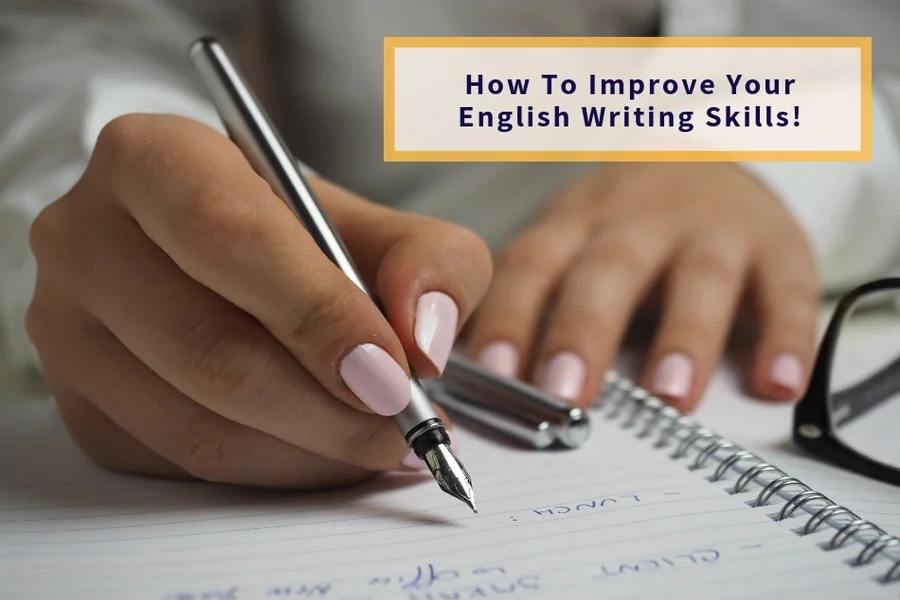
You can underline important passages, write notes in a notebook, or record interesting ideas digitally. After finishing a chapter, ask yourself what stood out and how the information relates to your own experiences.
For nonfiction, consider writing down one or two practical ideas you can apply. This turns reading from passive consumption into an opportunity for meaningful learning.
Reflection does not have to be complicated. Even a few sentences about what you learned can help reinforce important concepts and make the reading experience more memorable.
Reduce Distractions and Improve Focus
Modern devices make it easy to lose concentration. Messages, social media, videos, and notifications can interrupt reading before you become fully engaged.
One useful approach is to create short periods of distraction-free reading. Start with 10 or 15 minutes and gradually increase the duration as your concentration improves.
If you struggle to focus on a long book, divide it into smaller sections. Instead of thinking about finishing the entire book, focus on completing the next chapter or a specific number of pages.
Reading at the same time each day can also help your mind associate that period with focused activity. Over time, concentrating on a book may become easier.
Explore Different Reading Formats
There is no rule that says personal growth requires reading traditional printed books. E-books and audiobooks can make reading more accessible when your schedule is busy.
Audiobooks can be useful during walks, commutes, or household activities. E-books can provide convenient access to a large library without requiring physical storage.
Printed books may be preferable when you want a screen-free experience. Some readers also find it easier to annotate physical pages and remember information.
Experiment with different formats and choose what fits your lifestyle. The best format is the one that helps you read consistently and enjoy the process.
Make Reading a Long-Term Habit
Motivation can help you start reading, but routine is what makes the habit last. Rather than waiting until you feel inspired, schedule reading into your day.
Keep your current book somewhere visible. Track your progress if you find it motivating, but do not turn reading into a competition. The purpose is personal growth and enjoyment, not simply reaching a number.
It can also be helpful to alternate between different types of books. You might read nonfiction for learning, fiction for entertainment, and biographies for inspiration. Variety can prevent your routine from becoming repetitive.
Most importantly, allow your reading habits to evolve. Your interests may change as your knowledge and goals develop.
Final Thought
Simple reading habits for personal growth can have a meaningful impact when practiced consistently. You do not need to read for hours every day or finish an impressive number of books to benefit from reading.
Start with a realistic daily goal, choose books that match your interests, create a comfortable environment, and spend a little time reflecting on what you learn. By making reading a regular part of your routine, you can gradually expand your knowledge, strengthen your thinking, and develop a more curious approach to everyday life.
FAQs
How many minutes should I read each day for personal growth?
Starting with 10 to 15 minutes a day is realistic for many people. You can gradually increase your reading time as the habit becomes more comfortable.
What types of books are best for personal growth?
Books about psychology, communication, history, biographies, personal development, business, science, and thoughtful fiction can all contribute to personal growth.
Is reading fiction useful for personal development?
Yes, fiction can encourage imagination, expose readers to different perspectives, and provide insights into emotions, relationships, and human behavior.
How can I stay focused while reading?
Reduce notifications, choose a quiet environment, set a short reading period, and gradually increase the amount of time you spend reading without distractions.
Should I take notes while reading?
Taking notes can help you remember important ideas and encourage reflection, particularly when reading educational or nonfiction material.
Are audiobooks good for building a reading habit?
Yes, audiobooks can be useful for people with busy schedules because they allow you to consume books while walking, commuting, or completing routine activities.
What should I do if I cannot finish a book?
It is fine to stop reading a book that no longer interests you. Choose material that is relevant to your goals and makes you want to continue reading.


Post Comment
You must be logged in to post a comment.