AC Compressor Failure Repair Guide: Fixes, Costs, and Tips
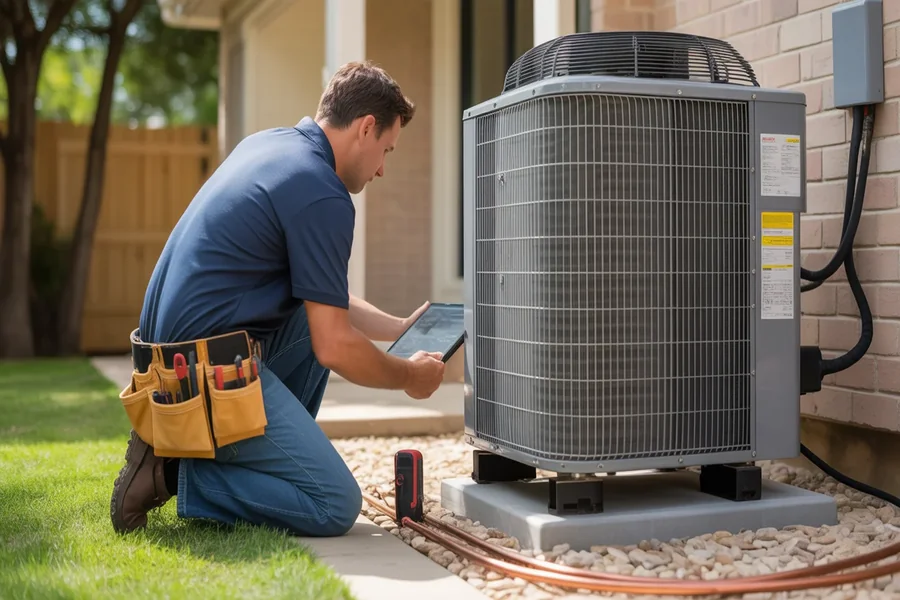
Understanding AC Compressor Problems
An air conditioner depends on several important components working together, and the compressor is one of the most critical parts of the system. This AC Compressor Failure Repair Guide explains the signs, causes, repair methods, and prevention tips that homeowners should know before a cooling issue becomes a major expense. The compressor acts as the heart of an AC unit by circulating refrigerant and helping remove heat from indoor air. When it stops working properly, the entire cooling process can be affected.
A failing compressor can create uncomfortable indoor conditions, increase energy bills, and sometimes lead to complete system breakdown. Many people ignore early warning signs because the AC may still produce some cool air. However, delayed repairs can put extra pressure on other components and increase the overall repair cost.
Understanding how compressor problems develop helps homeowners make better decisions. Some issues require professional repairs, while others may be caused by simpler problems such as electrical faults, dirty coils, or low refrigerant levels. Identifying the exact cause is the first step toward restoring efficient cooling.
Common Causes of AC Compressor Failure
Several factors can cause an air conditioning compressor to fail. One of the most common reasons is insufficient maintenance. When filters, coils, and other parts are neglected, the system has to work harder to maintain the desired temperature. Over time, this extra workload can create excessive wear on the compressor.
Electrical problems are another major cause of compressor failure. Faulty wiring, damaged capacitors, voltage issues, or power surges can prevent the compressor from starting correctly or damage its internal components. Electrical failures should always be handled carefully because improper repairs can create safety risks.
Low refrigerant levels can also contribute to compressor damage. Refrigerant does not simply disappear under normal conditions, so a low level usually indicates a leak somewhere in the system. When refrigerant is insufficient, the compressor may run continuously and overheat because it cannot complete the cooling cycle efficiently.
Dirty condenser coils are another frequent problem. These coils release heat from the refrigerant, but when covered with dust and debris, they cannot work effectively. The compressor then experiences higher pressure and temperature, which can shorten its lifespan.
Age is also an important factor. Most compressors are designed to last many years, but constant use, harsh weather conditions, and repeated repairs can eventually reduce performance. Older systems are more likely to experience mechanical failures and may require replacement instead of extensive repairs.
Signs Your AC Compressor Needs Repair
Recognizing compressor warning signs early can help prevent expensive damage. One common indication is warm air coming from the vents even when the thermostat is set to a cooling mode. While other issues can cause this symptom, compressor problems are often a possible explanation.
Strange noises are another warning sign. A healthy compressor usually operates with a consistent sound. Loud buzzing, clicking, rattling, or grinding noises may indicate internal damage or electrical problems. These sounds should not be ignored because they often become worse over time.
Frequent circuit breaker trips can also point to compressor trouble. If the compressor is drawing too much electrical current, the breaker may shut off the power as a safety measure. Repeated shutdowns require professional inspection to identify the underlying cause.
Another sign is reduced cooling performance. If your AC takes longer than usual to cool your home or struggles to reach the set temperature, the compressor may not be circulating refrigerant effectively. Higher energy bills can also indicate that the system is working harder than normal.
Leaks around the outdoor unit, excessive vibration, or difficulty starting the AC are additional symptoms that should be checked. A professional technician can test the system and determine whether the compressor can be repaired or needs replacement.
AC Compressor Repair and Replacement Process
Repairing an AC compressor begins with a detailed inspection. A technician usually checks electrical connections, refrigerant levels, pressure readings, and other components to confirm whether the compressor is the actual source of the problem. Proper diagnosis prevents unnecessary repairs and helps determine the most practical solution.
Some compressor-related issues can be repaired without replacing the entire unit. For example, a technician may replace a faulty capacitor, repair electrical connections, fix refrigerant leaks, or clean blocked components. These solutions can restore performance when the compressor itself is still in good condition.
However, severe internal damage often requires compressor replacement. If the compressor motor has failed or internal parts are worn out, repairing it may not be cost-effective. In some cases, replacing the entire AC system may be a better long-term investment, especially if the unit is old and inefficient.
The cost of repair depends on several factors, including the type of AC system, the extent of damage, labor charges, and replacement part availability. Homeowners should compare repair costs with the expected remaining lifespan of the system before making a decision.
Professional service is strongly recommended for compressor work because AC systems involve electrical components and refrigerants. Attempting complex repairs without proper tools and training can cause further damage and may affect system safety.
For businesses and content creators looking for creative solutions while sharing maintenance tips online, resources such as captionora can help create engaging captions and descriptions for digital content. Using clear and informative messaging can make technical topics easier for audiences to understand.
Preventing Future Compressor Failures
Regular maintenance is one of the best ways to extend compressor life. Simple actions such as replacing air filters regularly, keeping outdoor units clean, and scheduling professional inspections can reduce stress on the AC system.
Homeowners should also avoid setting extremely low temperatures for long periods. Constantly forcing the system to operate at maximum capacity increases wear on the compressor and other components. A moderate thermostat setting helps maintain comfort while reducing unnecessary strain.
Keeping the area around the outdoor unit clear is another helpful step. Leaves, dirt, grass, and other debris can block airflow and reduce efficiency. Maintaining proper airflow allows the condenser and compressor to operate under normal conditions.
Professional tune-ups before peak cooling seasons can identify small issues before they become major failures. During maintenance visits, technicians can check refrigerant levels, inspect electrical parts, clean components, and verify overall system performance.
Investing in an energy-efficient AC system can also reduce future compressor problems. Modern units often include improved technology that helps manage workload and improve reliability. Choosing the correct system size for your home is equally important because oversized or undersized units can experience unnecessary stress.
FAQs
What are the most common signs of AC compressor failure?
Common signs include warm air from vents, unusual noises, frequent breaker trips, reduced cooling ability, and higher energy consumption. A professional inspection can confirm whether the compressor is the cause.
Can an AC compressor be repaired instead of replaced?
Yes, some compressor-related problems can be repaired if the main unit is still functional. Electrical issues, refrigerant leaks, and certain component failures may not require full replacement.
How long does an AC compressor usually last?
An AC compressor can often last around 10 to 15 years or more with proper maintenance. Lifespan depends on usage, system quality, climate conditions, and regular servicing.
Is replacing an AC compressor expensive?
The cost varies depending on the system type, labor rates, and the extent of the damage. In some situations, replacing the entire AC unit may provide better long-term value.
Can I prevent compressor failure?
Regular maintenance, clean filters, proper airflow, timely repairs, and professional inspections can significantly reduce the risk of compressor failure.
Final Thought
An AC compressor plays a vital role in keeping your home comfortable, and recognizing problems early can save time and money. This AC Compressor Failure Repair Guide highlights why maintenance, professional diagnosis, and timely action are essential for protecting your cooling system. Whether the issue requires a small repair or a complete replacement, understanding the warning signs allows homeowners to make informed choices and maintain reliable indoor comfort for years.



Post Comment
You must be logged in to post a comment.