Healthy Eating for Heart Health: Foods and Habits That Help
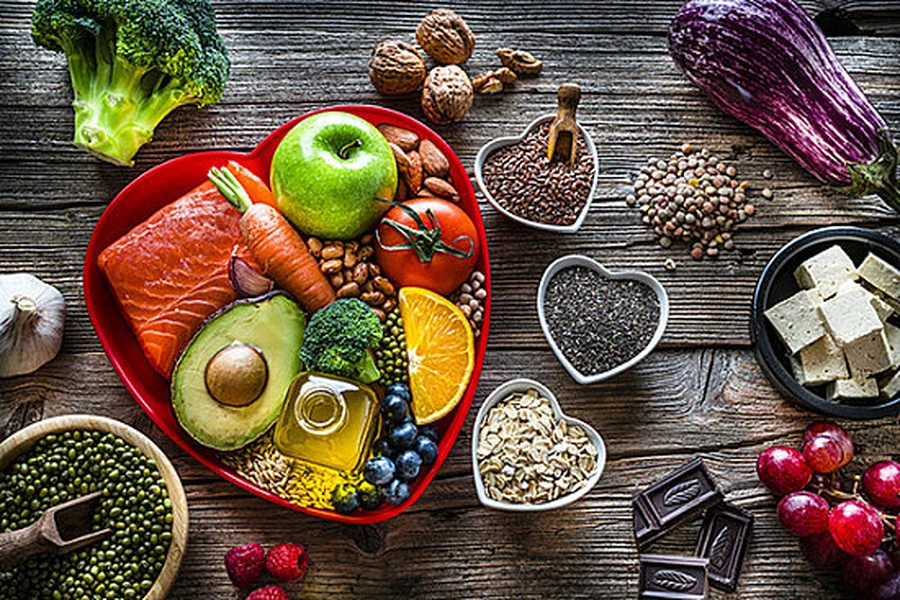
Healthy Eating for Heart Health is an important part of supporting your overall wellness and cardiovascular system. The foods you eat regularly can influence important aspects of health, including blood pressure, cholesterol levels, blood sugar, and body weight. A balanced eating pattern can help support the heart while also providing the energy and nutrients your body needs each day.
Heart-healthy eating does not require a strict or complicated diet. Simple choices such as eating more vegetables, choosing whole grains, including healthy fats, and limiting excessive amounts of sodium and added sugar can make a meaningful difference over time. For additional lifestyle ideas and practical everyday resources, blessingsplanet can also provide useful content across different topics.
The most effective approach is to focus on consistent habits rather than trying to change everything overnight. Small improvements can gradually become part of your normal routine and help create a sustainable approach to nutrition and long-term wellness.
Build a Balanced Diet for Heart Health
A balanced diet provides a variety of nutrients that support the body’s normal functions. For heart health, the overall quality of your eating pattern is often more important than focusing on one specific food.
Fruits and vegetables should be a regular part of daily meals. They provide fiber, vitamins, minerals, and beneficial plant compounds. Try to include different colors and varieties throughout the week to add nutritional variety.
Leafy greens, berries, apples, oranges, tomatoes, carrots, broccoli, and other produce can be included in salads, soups, side dishes, smoothies, or snacks. Fresh, frozen, and properly prepared canned options can all be convenient choices.
Whole grains are another important part of a balanced eating pattern. Oats, brown rice, quinoa, barley, and whole-grain bread provide fiber and other nutrients. Replacing refined grains with whole-grain alternatives more often can improve the overall quality of meals.
Protein sources also matter. Fish, poultry, beans, lentils, eggs, tofu, nuts, and seeds can provide important nutrients while helping create satisfying meals. Choosing a variety of protein sources can make your diet more balanced and enjoyable.
Choose More Heart-Friendly Fats
Not all fats have the same nutritional qualities. Including healthier sources of fat while limiting excessive amounts of less beneficial fats can support a balanced eating pattern.
Avocados, nuts, seeds, olive oil, and certain types of fish provide unsaturated fats. These foods can be added to salads, vegetables, whole-grain meals, and other dishes.
Fatty fish such as salmon, sardines, and other varieties can also provide omega-3 fatty acids. Including fish as part of a balanced diet may be a useful way to add variety to your protein choices.
Nuts and seeds can make convenient snacks or toppings for oatmeal, yogurt, and salads. However, portion awareness is still important because these foods are energy-dense.
You do not need to remove all fat from your diet. Fat is an important nutrient. The goal is to focus on a balanced intake and choose nutritious sources more often.
Manage Sodium, Added Sugar, and Processed Foods
Many people consume more sodium and added sugar than they realize. Paying attention to food choices can help create a more heart-conscious eating pattern.
Excessive sodium intake may be a concern for some people, particularly those who need to manage blood pressure. Processed meats, packaged snacks, instant meals, and some sauces can contain significant amounts of sodium.
Reading nutrition labels can help you compare products. Choosing fresh or minimally processed foods more often may make it easier to manage sodium intake.
Added sugar can also appear in many foods and drinks, including sweetened beverages, desserts, flavored snacks, and some packaged products. Reducing sugary drinks can be a simple place to begin.
You do not have to eliminate every treat. Instead, focus on moderation and make nutritious foods the foundation of your everyday eating pattern.
Highly processed foods can still occasionally fit into a balanced lifestyle. However, relying heavily on them may make it more difficult to get enough fiber, vitamins, minerals, and other nutrients.
Add More Fiber and Plant-Based Foods
Fiber is an important part of a heart-supportive eating pattern. It is found naturally in fruits, vegetables, beans, lentils, nuts, seeds, and whole grains.
Adding fiber-rich foods to meals can be simple. You can add beans to soups and salads, choose oatmeal for breakfast, eat fruit as a snack, or replace refined grains with whole-grain options.
Plant-based meals can also provide variety. A meal made with beans, vegetables, and brown rice can be satisfying and nutritious. Lentil soup, vegetable chili, tofu stir-fry, and chickpea salads are other examples of meals that include plant-based ingredients.
You do not necessarily need to follow a completely vegetarian diet to enjoy the benefits of eating more plant foods. Simply making plants a larger part of your meals can improve variety and overall nutrition.
When increasing fiber, doing so gradually and drinking enough fluids may help your body adjust more comfortably.
Create Sustainable Heart-Healthy Eating Habits
The best eating plan is one that fits your lifestyle and can be followed consistently. Extreme restrictions are often difficult to maintain for the long term.
Meal planning can make healthier choices easier. Planning a few meals before grocery shopping can help you choose ingredients that support balanced eating. Preparing some foods in advance can also reduce reliance on less nutritious convenience meals.
Keeping healthy snacks available may help when hunger appears between meals. Fruit, unsalted nuts, yogurt, vegetables, or other nutritious options can be convenient choices.
Portion awareness is also useful. Even nutritious foods should be enjoyed in amounts that fit your individual needs. Eating slowly can help you pay attention to hunger and fullness signals.
Physical activity, sleep, stress management, and avoiding tobacco are also important parts of overall cardiovascular wellness. Nutrition works best as part of a broader healthy lifestyle.
If you have heart disease, high blood pressure, high cholesterol, diabetes, or another health condition, a qualified healthcare professional or registered dietitian can provide personalized nutrition guidance.
Final Thought
Healthy Eating for Heart Health is about building consistent habits that support cardiovascular wellness over time. Eating more fruits, vegetables, whole grains, beans, and other fiber-rich foods while choosing nutritious fats and limiting excessive sodium and added sugar can contribute to a balanced lifestyle.
You do not need to follow a perfect diet to make meaningful progress. Small, sustainable changes are often easier to maintain than strict rules. By focusing on variety, moderation, and nutritious everyday choices, you can create an eating pattern that supports your heart and overall well-being for years to come.
FAQs
What is Healthy Eating for Heart Health?
Healthy Eating for Heart Health means following a balanced eating pattern that includes nutrient-rich foods such as fruits, vegetables, whole grains, beans, fish, nuts, and healthy fats while limiting excessive sodium, added sugar, and highly processed foods.
Which foods are best for heart health?
Fruits, vegetables, whole grains, beans, lentils, fish, nuts, seeds, and foods containing unsaturated fats can all be part of a heart-supportive eating pattern.
Can eating more fiber support heart health?
Yes. Fiber-rich foods such as oats, beans, lentils, fruits, vegetables, and whole grains can be an important part of a balanced diet that supports overall cardiovascular wellness.
Should I avoid all fats to protect my heart?
No. Healthy fats from foods such as avocados, nuts, seeds, olive oil, and certain fish can be part of a balanced diet. The focus should be on choosing nutritious fat sources and practicing portion awareness.
How can I reduce sodium in my diet?
Choose fresh or minimally processed foods more often, compare nutrition labels, limit highly processed meals, and use herbs and spices to add flavor instead of relying heavily on salt.
Can I eat sweets while following a heart-healthy diet?
Yes. Occasional treats can fit into a balanced eating pattern. The key is to enjoy foods high in added sugar in moderation while making nutritious foods the foundation of your daily diet.
How can I start eating better for my heart?
Begin with small changes such as adding more vegetables to meals, choosing whole grains, eating more fiber-rich foods, reducing sugary drinks, and selecting nutritious protein sources more often.



Post Comment
You must be logged in to post a comment.