Clouds Poetry Dreamy Aesthetic for Soft Expression
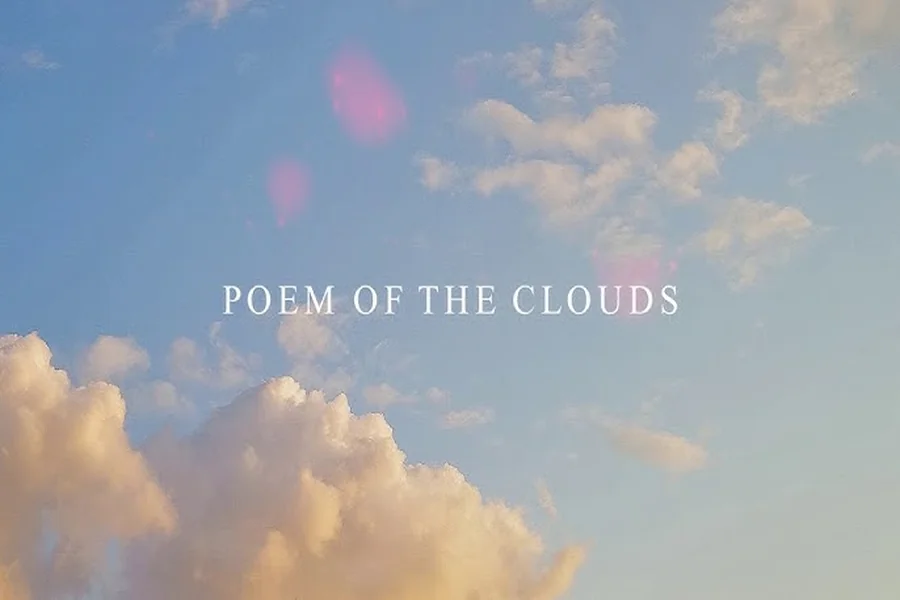
Clouds Poetry Dreamy Aesthetic brings together the softness of clouds and the emotional depth of poetry to create a peaceful visual experience. Clouds naturally inspire thoughts about freedom, imagination, change, distance, and dreams. Their constantly shifting shapes make them ideal companions for poetry because they can represent emotions that are difficult to define.
A cloudy sky can make a simple poem feel more spacious and reflective. Pale clouds drifting across a blue horizon may create a feeling of calm, while darker clouds can add mystery or melancholy. For readers and writers looking for more poetic inspiration, poetryflame can also offer creative ideas for emotional and expressive writing.
The dreamy quality comes from leaving room for imagination. Clouds do not have fixed forms, so viewers can interpret them differently. In the same way, poetry can suggest feelings without explaining every detail. When these two elements are combined, the result can feel gentle, personal, and almost otherworldly.
Why Clouds Work So Well With Poetry
Clouds are constantly changing. They move, disappear, gather, separate, and transform with the weather. This natural movement provides an easy metaphor for human emotions and experiences.
A cloud can represent a passing thought that appears and disappears. A group of clouds may suggest uncertainty or emotional heaviness, while a clear space between clouds can symbolize hope or relief.
Their distance also creates a sense of wonder. Looking upward can make people feel connected to something larger than themselves. Poetry can use that feeling to explore dreams, questions, memories, and the unknown.
Clouds are also visually soft. Their rounded forms and gentle edges can make a design feel peaceful rather than dramatic. This makes them especially suitable for romantic, inspirational, reflective, and nostalgic poetry.
The meaning depends largely on the surrounding words and the atmosphere of the image.
Choosing the Right Cloud Background
Different types of skies can create very different moods. A bright blue sky with small white clouds can feel cheerful, hopeful, and youthful.
A pale overcast sky can create a quieter atmosphere for reflective writing. Heavy storm clouds may suit poetry about emotional conflict, uncertainty, or transformation.
Sunrise and sunset clouds can introduce warm colors and a romantic feeling. Pink, orange, gold, and lavender tones often create a softer and more emotional appearance.
Night clouds can create a more mysterious aesthetic, especially when combined with moonlight or stars.
When choosing a background for poetry, consider the amount of open sky available. Large areas of relatively simple cloud patterns can provide an excellent space for typography.
Avoid backgrounds where every part of the image contains strong details. The poetry needs room to breathe.
Colors That Create a Dreamy Atmosphere
Color is essential to creating a dreamy cloud aesthetic. Soft blue and white are the most natural choices, but many other palettes can work.
Pale lavender can add a magical feeling, while light pink and peach can create warmth. Cream and ivory can make the design feel delicate and nostalgic.
Muted gray and blue-gray tones are suitable for melancholy or introspective poetry. Deeper shades can create a dramatic nighttime atmosphere.
The most effective designs usually avoid excessive saturation. Soft colors make the composition feel calmer and allow the reader to focus on the words.
A gentle gradient can also create visual depth. For example, a background may transition from pale blue near the horizon to a deeper shade higher in the sky.
The color palette should reflect the emotional character of the poem rather than simply following a trend.
Writing Poetry Inspired by Clouds
Clouds offer countless ways to begin a poem. Start by observing their movement, shape, color, and relationship with sunlight.
A cloud drifting away can become a metaphor for someone leaving. A sky clearing after a storm can represent healing. A cloud blocking the sun can suggest a temporary period of sadness.
Personification can make cloud poetry feel more imaginative. Clouds might appear to wander, carry secrets, hide memories, or follow the wind.
However, simple descriptions can be just as effective. A poem about lying on the grass and watching clouds move overhead can create a peaceful moment without needing a complicated message.
Sensory details can strengthen the writing. Include the feeling of wind, the warmth of sunlight, the sound of distant rain, or the changing brightness of the sky.
These small details make the scene feel more present and personal.
Creating a Dreamy Poetry Composition
A dreamy poetry graphic should feel spacious and light. The sky naturally provides negative space, making it an ideal background for text.
Short poems can be centered in an open section of the sky. Longer poetry may work better when placed in a clear area away from detailed clouds.
Typography should complement the softness of the image. Elegant serif fonts can provide a literary quality, while delicate handwritten styles can create a personal appearance.
The text should remain readable without appearing too bold. Dark lettering can work against pale clouds, while white or cream typography may suit deeper skies.
Subtle shadows can improve contrast, but heavy effects may reduce the gentle quality of the design.
The goal is to make the poetry feel as though it belongs naturally within the sky.
Different Emotions in Cloud Poetry
Cloud imagery can represent many emotional experiences. For romantic poetry, two people lying beneath a cloud-filled sky can suggest intimacy, imagination, and shared dreams.
For melancholy, dark clouds can represent emotional heaviness without making the poem overly dramatic.
For inspirational writing, clouds can symbolize temporary difficulties. Storm clouds eventually move, allowing light to return.
For philosophical poetry, the changing sky can represent impermanence. Nothing remains exactly the same, and that idea can lead to reflections about time and human life.
For childhood or nostalgic writing, watching clouds can represent innocence and imagination. The simple act of finding shapes in the sky can bring back memories of a slower period of life.
This flexibility makes clouds suitable for almost any poetic theme.
Building a Personal Dreamy Aesthetic
A recognizable aesthetic comes from repeating visual choices that feel natural to the writer. You might prefer bright morning skies, sunset clouds, stormy landscapes, or soft pastel imagery.
Choose a few consistent fonts and colors to make different poetry designs feel connected. You can also use similar textures or image treatments across a collection.
Personal experiences can make the aesthetic stronger. A particular sky may remind you of a journey, a conversation, a relationship, or a period of change.
Keeping notes about these memories can provide a continuous source of poetic ideas. A photograph of an interesting sky can later become the starting point for an entire poem.
The goal is not simply to make attractive images. It is to create a visual language that reflects the emotions behind your writing.
Final Thought
Clouds Poetry Dreamy Aesthetic combines the changing beauty of the sky with the imagination and emotional freedom of poetry. Clouds can symbolize dreams, memories, uncertainty, change, hope, and passing emotions, making them one of the most versatile subjects for poetic visuals.
The most effective designs usually remain simple. A soft sky, gentle colors, open space, and carefully chosen words can create a powerful atmosphere without excessive decoration.
Whether the poem is romantic, nostalgic, inspirational, or deeply reflective, clouds give readers room to imagine their own meaning. Like thoughts themselves, they drift, change shape, disappear, and return in unexpected forms.
FAQs
What is a clouds poetry dreamy aesthetic?
It is a visual poetry style that combines cloud-filled skies, soft colors, atmospheric imagery, and expressive writing to create a peaceful and imaginative mood.
Why are clouds popular in poetry?
Clouds naturally symbolize change, dreams, freedom, uncertainty, distance, and imagination, giving poets many ways to express emotions.
Which colors work best for dreamy cloud poetry?
Soft blue, white, lavender, pale pink, peach, cream, muted gray, and gentle pastel shades can create a dreamy atmosphere.
Can storm clouds be used in poetic designs?
Yes. Storm clouds can represent sadness, conflict, uncertainty, or transformation while still creating a visually dramatic composition.
What fonts suit a cloud poetry aesthetic?
Elegant serif fonts, clean typefaces, and delicate handwritten styles can work well when they maintain clear readability.
How can I make cloud poetry feel more personal?
Connect the sky with a real memory, emotion, place, or experience and use specific sensory details rather than relying only on common cloud metaphors.



Post Comment
You must be logged in to post a comment.