Are Fillers Safe? What Every Patient Should Know Before Treatment
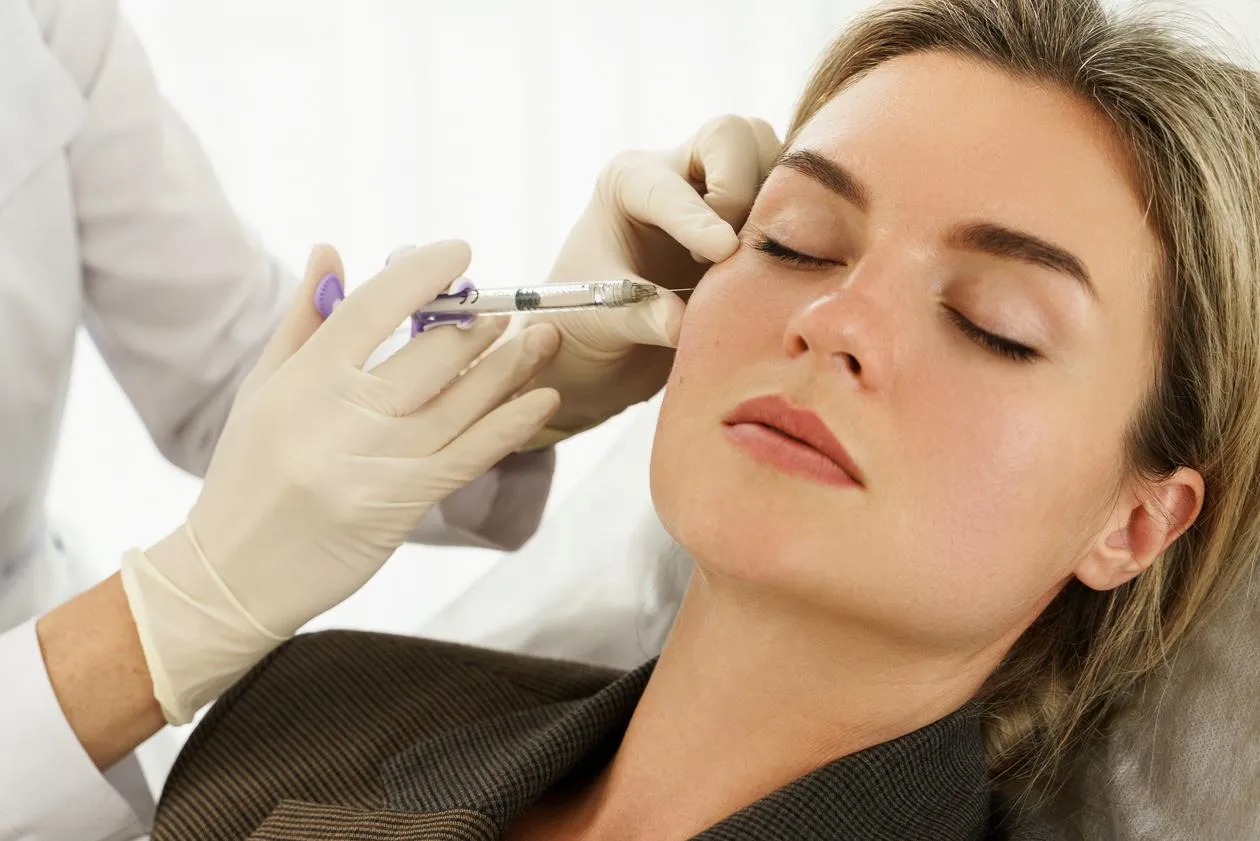
In recent years, filler treatments have become one of the most sought-after aesthetic procedures, offering a quick and effective way to restore lost volume, enhance facial contours, and achieve a refreshed appearance without surgery. As demand continues to rise, so do questions about safety and long-term effects. Are fillers really safe, and what should patients know before getting one?
This article explores the facts behind filler safety, from product quality to the importance of skilled technique. Learn more here https://harmonyaesthetics.sg/fillers-singapore/ about professional filler treatments in Singapore and how to ensure your experience is both safe and satisfying.
What Exactly Are Fillers?
Fillers are gel-like substances injected beneath the skin to restore volume, smooth wrinkles, or enhance facial features. The most common type used today is hyaluronic acid (HA), a naturally occurring molecule that helps the skin stay hydrated and plump. Other filler materials include calcium hydroxylapatite, poly-L-lactic acid, and polymethylmethacrylate (PMMA), each with different longevity and effects.
In aesthetic medicine, fillers are used to treat areas such as the cheeks, lips, under-eye hollows, and jawline, offering instant results with minimal downtime. Because most HA fillers are biocompatible and reversible, they provide flexibility and safety when performed correctly. Understanding the types of fillers and how they work is the first step in making a confident, informed decision about treatment.
Safety Record
Dermal fillers have an excellent safety record when performed using approved products and proper medical technique. Globally, millions of filler procedures are carried out each year with a high rate of patient satisfaction and minimal complications. In Singapore, only Health Sciences Authority (HSA)–approved fillers are permitted for clinical use, ensuring that these products meet strict safety and quality standards.
Most side effects are mild and temporary, such as slight redness, swelling, or bruising at the injection site. These typically resolve within a few days. Serious complications like infection or vascular occlusion are rare and usually linked to poor technique or the use of unregulated products. When administered by a qualified aesthetic doctor who understands facial anatomy and uses authentic, medical-grade fillers, the treatment is generally very safe and predictable, yielding natural, satisfying results.
How Do Fillers Work?
Fillers work by restoring the natural support structures of the skin that diminish with age, namely collagen, elastin, and hyaluronic acid. As these components break down over time, the face begins to lose its youthful contours, resulting in hollow cheeks, fine lines, and sagging skin. Dermal fillers are designed to reverse these effects by replenishing volume and improving skin texture from within.
Here’s how they work in more detail:
- Volume restoration: Fillers are injected beneath the skin to replace lost fat and tissue support, instantly lifting and softening facial features.
- Hydration boost: Hyaluronic acid (HA) fillers attract and bind up to 1,000 times their weight in water, keeping the skin plump, dewy, and hydrated.
- Collagen stimulation: Certain fillers, like poly-L-lactic acid (Sculptra) or calcium hydroxylapatite (Radiesse), trigger the body’s natural collagen production, leading to gradual and long-lasting rejuvenation.
- Facial contouring: Beyond wrinkle reduction, fillers can sculpt the jawline, chin, nose, and cheeks to enhance symmetry and definition.
- Immediate yet natural results: The improvement is visible right after treatment, with minimal downtime, and when done correctly, the results look subtle, balanced, and natural.
In essence, fillers work synergistically with your skin, restoring youthful proportions while maintaining authentic facial expressions.
Possible Risks and How They’re Managed
Like all medical procedures, fillers carry some degree of risk, though complications are rare when performed by trained professionals using approved products. Understanding these potential side effects helps patients make informed, confident decisions.
Common and temporary effects include:
- Mild swelling, redness, or bruising at the injection site
- Slight tenderness or firmness under the skin
- Minor asymmetry that typically settles as swelling subsides
These reactions usually resolve within a few days and are part of the body’s natural healing process.
Less common but serious complications may include:
- Vascular occlusion, where filler accidentally enters a blood vessel and restricts blood flow
- Infection, often linked to poor injection hygiene
- Nodule or lump formation, which can occur with certain filler types or improper technique
In a medical clinic, these risks are carefully managed. For example, hyaluronic acid fillers can be safely dissolved with hyaluronidase if needed. Experienced aesthetic doctors also follow strict safety protocols, from using sterile techniques to precise injection mapping, ensuring rapid recognition and treatment of any issues. The key to safety lies in expertise, vigilance, and personalised care.
How to Ensure a Safe Filler Experience
Safety starts with choosing the right practitioner and clinic. Always seek treatment from a qualified aesthetic doctor who uses HSA-approved fillers and maintains high standards of hygiene and care. Avoid home-based or heavily discounted services, these often use unverified products or unsafe techniques.
Before treatment, discuss your medical history, expectations, and aftercare plan thoroughly. A trusted, experienced injector will prioritise natural results, patient education, and your long-term safety above all else.
Summary
When done by a qualified doctor, fillers are safe, effective, and deliver natural-looking results. Always choose an experienced medical professional who prioritises safety and precision. For expert filler treatments, visit our clinic at:



Post Comment
You must be logged in to post a comment.