Healthy Eating For Fitness and Better Physical Performance
Why Nutrition Matters for Fitness
Healthy Eating For Fitness is an important part of building a strong and active lifestyle. Exercise challenges the body, but food provides the energy and nutrients needed to support movement, recovery, and normal body functions.
A nutritious eating pattern can include carbohydrates, protein, healthy fats, vitamins, minerals, and enough fluids. Each plays a different role in supporting physical activity. Carbohydrates can provide energy for exercise, protein supports muscle maintenance, and healthy fats contribute important nutrients to a balanced diet.
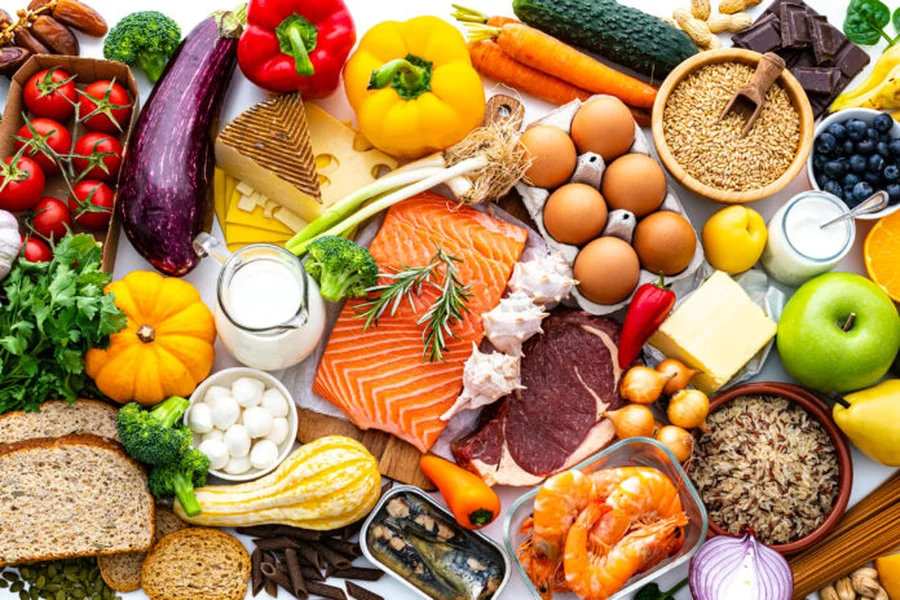
Fitness nutrition does not need to be complicated. You do not have to follow expensive meal plans or rely on specialized products. Simple foods such as oats, eggs, rice, vegetables, fruits, beans, lentils, yogurt, fish, nuts, and seeds can provide many of the nutrients needed for an active lifestyle.
Your nutritional needs depend on factors such as activity level, exercise intensity, age, body size, goals, and overall health. Someone training frequently may need a different eating pattern from someone who exercises occasionally.
Foods That Support Exercise and Energy
Carbohydrates are an important source of energy for physical activity. Foods such as oats, rice, potatoes, whole grains, fruits, vegetables, and legumes can provide carbohydrates along with other useful nutrients.
Whole grains can be particularly useful because they provide fiber and other nutrients. Oatmeal, brown rice, quinoa, barley, and whole-grain bread can be included in meals before or after exercise depending on individual preferences and tolerance.
Fruit can also be a convenient source of carbohydrates. Bananas, berries, oranges, apples, and other fruits can work well as snacks or additions to meals.
Protein is essential for maintaining and repairing body tissues. Eggs, fish, poultry, lean meats, beans, lentils, tofu, yogurt, cottage cheese, nuts, and seeds can all provide protein.
Healthy fats can be included through foods such as avocados, nuts, seeds, olive oil, and fish. These foods contribute important nutrients and can add satisfying flavor to meals.
A balanced meal might include grilled chicken, brown rice, and vegetables. Another option could be eggs with whole-grain toast, avocado, and fruit. The exact foods can vary depending on preferences and nutritional needs.
Eating Before and After Exercise
What you eat before exercise can affect how comfortable and energized you feel during physical activity. The best timing and food choices depend on the type and duration of exercise as well as individual tolerance.
Some people prefer a meal several hours before exercising, while others benefit from a smaller snack closer to the workout. Foods containing carbohydrates can provide useful energy, while moderate protein may also be included.
Examples of simple pre-workout options include oatmeal with fruit, a banana with yogurt, whole-grain toast with a suitable topping, or a small serving of rice with a protein source.
Large, heavy, or very fatty meals immediately before exercise may feel uncomfortable for some people. Choosing foods that you digest well is usually more important than following a specific meal rule.
After exercise, eating a balanced meal can help replenish energy and provide protein and other nutrients. A meal containing protein, carbohydrates, vegetables, and healthy fats can be a practical choice.
Options such as grilled fish with rice and vegetables, chicken with potatoes and salad, or yogurt with fruit and oats can provide a combination of nutrients after physical activity.
The need for specific sports nutrition strategies can vary considerably. People participating in long-duration or high-intensity training may benefit from individualized guidance from a qualified sports nutrition professional.
Hydration and Muscle Recovery
Hydration is an important part of fitness nutrition. Physical activity can increase fluid loss through sweating, especially during longer workouts or hot weather.
Water is often a practical choice for everyday exercise and hydration. Drinking fluids regularly before, during, and after physical activity can help support normal hydration.
For prolonged or intense exercise, fluid and electrolyte needs may be different. These needs can depend on exercise duration, weather, sweat rate, and individual circumstances.
Recovery also involves adequate nutrition and rest. Protein provides amino acids needed for normal muscle maintenance and repair, while carbohydrates can help replenish energy stores after activity.
Sleep is another major part of recovery. Eating a balanced diet cannot completely compensate for inadequate rest. A consistent sleep routine can support physical performance, recovery, mood, and overall wellness.
Stretching, rest days, and appropriate training plans can also contribute to recovery. Fitness is not simply about working harder every day. The body needs time and resources to adapt to physical activity.
Building a Sustainable Fitness Eating Routine
The best fitness eating plan is one that fits your lifestyle and can be maintained over time. Extreme diets may produce quick changes but can be difficult to sustain and may not provide balanced nutrition.
Start by building regular meals around nutritious foods. Include a source of protein, a carbohydrate-rich food, vegetables or fruit, and healthy fats where appropriate.
Meal preparation can make fitness nutrition easier. Cook larger batches of rice, vegetables, beans, eggs, chicken, or other suitable foods so you have convenient options throughout the week.
Keep easy snacks available for busy days. Fruit, yogurt, nuts, boiled eggs, or whole-grain foods can be useful when you need something between meals.
If your goal is weight management, remember that portion size and total food intake still matter. Nutritious foods can support a balanced diet, but eating more than your body needs can still make it difficult to reach certain goals.
If your goal is muscle gain, endurance, athletic performance, or significant weight loss, your nutritional needs may be more specific. A qualified healthcare professional or registered dietitian can help create a personalized plan.
Final Thought
Healthy Eating For Fitness is about giving your body the nutrients and energy it needs to stay active, recover, and perform well. A balanced combination of carbohydrates, protein, healthy fats, fruits, vegetables, whole grains, and adequate fluids can provide a strong foundation for an active lifestyle.
You do not need complicated supplements or restrictive diets to support fitness. Consistent meals, practical food preparation, good hydration, adequate sleep, and appropriate exercise can make a meaningful difference.
The most effective approach is one that matches your fitness goals and fits your daily life. With balanced nutrition and sustainable habits, you can support better performance, recovery, strength, and long-term wellness.
FAQs
What should I eat for fitness?
A balanced fitness diet can include whole grains, fruits, vegetables, protein-rich foods, healthy fats, and adequate fluids. The right amounts depend on your activity level and individual goals.
Is protein important for fitness?
Yes, protein supports normal muscle maintenance and repair. Eggs, fish, poultry, beans, lentils, tofu, yogurt, nuts, and seeds are useful protein sources.
Should I eat before exercising?
Eating before exercise can provide energy, but the best timing and food choice depend on the workout and your individual tolerance. A small carbohydrate-rich snack may work well for some people.
What should I eat after a workout?
A balanced meal or snack containing protein and carbohydrates can support recovery. Foods such as yogurt with fruit, eggs with toast, or chicken with rice and vegetables can be practical options.
How important is hydration during exercise?
Hydration is important because physical activity can increase fluid loss through sweating. Water is often suitable for regular workouts, while longer or intense exercise may require additional attention to electrolytes.
Can I build muscle with normal foods?
Yes, many people can support muscle development through a balanced diet containing sufficient protein, carbohydrates, healthy fats, and overall adequate nutrition.
Do I need supplements for fitness?
Not necessarily. Many nutritional needs can be met through a varied diet. Supplement requirements depend on individual circumstances and should be discussed with a qualified professional when needed.
Can healthy eating help with weight loss?
A balanced diet can support weight management when combined with appropriate portions and regular physical activity. Individual calorie and nutrition needs vary.
What are good snacks for active people?
Fruit, yogurt, nuts, seeds, eggs, whole-grain foods, and other balanced options can provide useful nutrients between meals.
How can I make fitness nutrition easier?
Plan meals, prepare ingredients in advance, keep nutritious foods available, drink water regularly, and choose simple meals that fit your schedule and exercise routine.



Post Comment
You must be logged in to post a comment.