HVAC Energy Solutions: Smarter Efficiency for Lower Costs and Better Performance
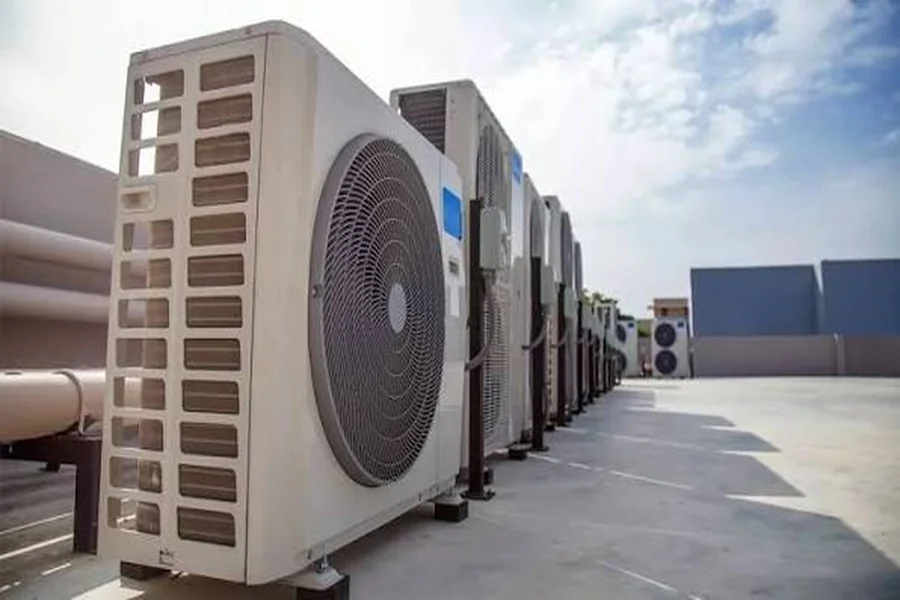
Energy efficiency has become a top priority for homeowners and businesses looking to reduce utility costs and environmental impact. HVAC Energy Solutions refer to advanced strategies, technologies, and services designed to optimize heating, ventilation, and air conditioning systems for maximum efficiency and performance.
With rising energy prices and increasing demand for sustainable solutions, HVAC energy optimization is no longer optional—it is essential. Properly implemented energy solutions can significantly reduce electricity consumption while maintaining indoor comfort.
Why HVAC Energy Solutions Matter
Heating and cooling systems account for a large portion of energy use in residential and commercial buildings. Without proper optimization, systems may consume more power than necessary.
HVAC energy solutions provide several important benefits:
- Reduce monthly electricity bills.
- Improve system performance and efficiency.
- Lower environmental impact and carbon emissions.
- Extend HVAC system lifespan.
- Enhance indoor comfort and temperature control.
By improving efficiency, these solutions help customers save money while maintaining consistent comfort throughout the year.
Key Components of HVAC Energy Solutions
HVAC energy optimization involves several techniques and system upgrades that work together to improve efficiency.
Energy-Efficient Equipment
Modern HVAC systems are designed to consume less energy while providing better cooling and heating performance. High-efficiency compressors, inverter technology, and advanced motors reduce power consumption significantly.
Smart Thermostat Integration
Smart thermostats allow users to control temperature settings automatically based on usage patterns. This prevents unnecessary energy usage when buildings are unoccupied.
System Optimization and Balancing
Proper airflow balancing ensures that heating and cooling are distributed evenly throughout the building. This reduces system strain and improves overall efficiency.
Preventive Maintenance Programs
Regular maintenance plays a critical role in energy efficiency.
Maintenance tasks include:
- Cleaning coils and filters.
- Checking refrigerant levels.
- Inspecting ductwork for leaks.
- Testing system performance.
Well-maintained systems operate more efficiently and consume less energy.
Duct Sealing and Insulation
Leaky ducts can cause significant energy loss. Proper sealing and insulation help ensure that cooled or heated air reaches its intended destination without waste.
How HVAC Energy Solutions Improve System Performance
Energy optimization directly impacts how efficiently an HVAC system operates.
Better energy management leads to:
- Faster cooling and heating response times.
- Reduced strain on system components.
- More stable indoor temperatures.
- Lower risk of breakdowns.
Efficient systems not only save energy but also perform more reliably over time.
Benefits of HVAC Energy Solutions for Businesses
For HVAC companies, offering energy solutions adds significant value to their services.
Key business benefits include:
- Increased customer demand for efficiency upgrades.
- Higher-value service offerings.
- Stronger customer relationships.
- Opportunities for long-term maintenance contracts.
- Competitive advantage in the market.
Energy-focused services help businesses position themselves as modern, environmentally responsible service providers.
Role of Technology in HVAC Energy Efficiency
Modern HVAC systems rely heavily on advanced technology to optimize energy use.
Key technologies include:
- Smart HVAC control systems.
- AI-based energy management tools.
- Variable-speed compressors.
- Remote monitoring systems.
These technologies allow for real-time adjustments that reduce energy waste while maintaining comfort.
Common Challenges in HVAC Energy Optimization
Despite the benefits, implementing energy solutions can be challenging.
Some common issues include:
- High upfront installation costs for efficient systems.
- Poor insulation in older buildings.
- Lack of regular maintenance.
- Improper system sizing or installation.
- Limited user awareness of energy-saving practices.
Addressing these challenges requires a combination of technical expertise and customer education.
How to Improve HVAC Energy Efficiency
Improving HVAC efficiency requires a combination of system upgrades and user habits.
Effective strategies include:
- Scheduling regular maintenance.
- Upgrading to energy-efficient systems.
- Using programmable thermostats.
- Sealing air leaks in ducts and buildings.
- Adjusting temperature settings wisely.
Small improvements can lead to significant long-term energy savings.
Final Thought
HVAC Energy Solutions play a vital role in reducing energy consumption, lowering utility costs, and improving overall system performance. As energy efficiency becomes increasingly important, both homeowners and businesses benefit from adopting smarter HVAC technologies and maintenance practices.
For HVAC companies, offering energy-focused solutions creates new opportunities for growth and long-term customer relationships. By combining modern technology with proper system maintenance and optimization strategies, HVAC energy solutions deliver lasting value for both performance and sustainability.
FAQs
What are HVAC Energy Solutions?
HVAC Energy Solutions are strategies and technologies used to improve heating and cooling system efficiency, reduce energy consumption, and lower operating costs.
Why are HVAC energy solutions important?
They help reduce electricity bills, improve system performance, lower environmental impact, and extend HVAC equipment lifespan.
What technologies improve HVAC energy efficiency?
Smart thermostats, inverter systems, variable-speed compressors, and AI-based energy management tools all improve efficiency.
How does maintenance improve HVAC energy efficiency?
Regular maintenance ensures clean components, proper airflow, and optimal system performance, reducing energy waste.
Can HVAC energy solutions reduce costs long-term?
Yes, although some upgrades may have upfront costs, they significantly reduce long-term energy bills and maintenance expenses.



Post Comment
You must be logged in to post a comment.